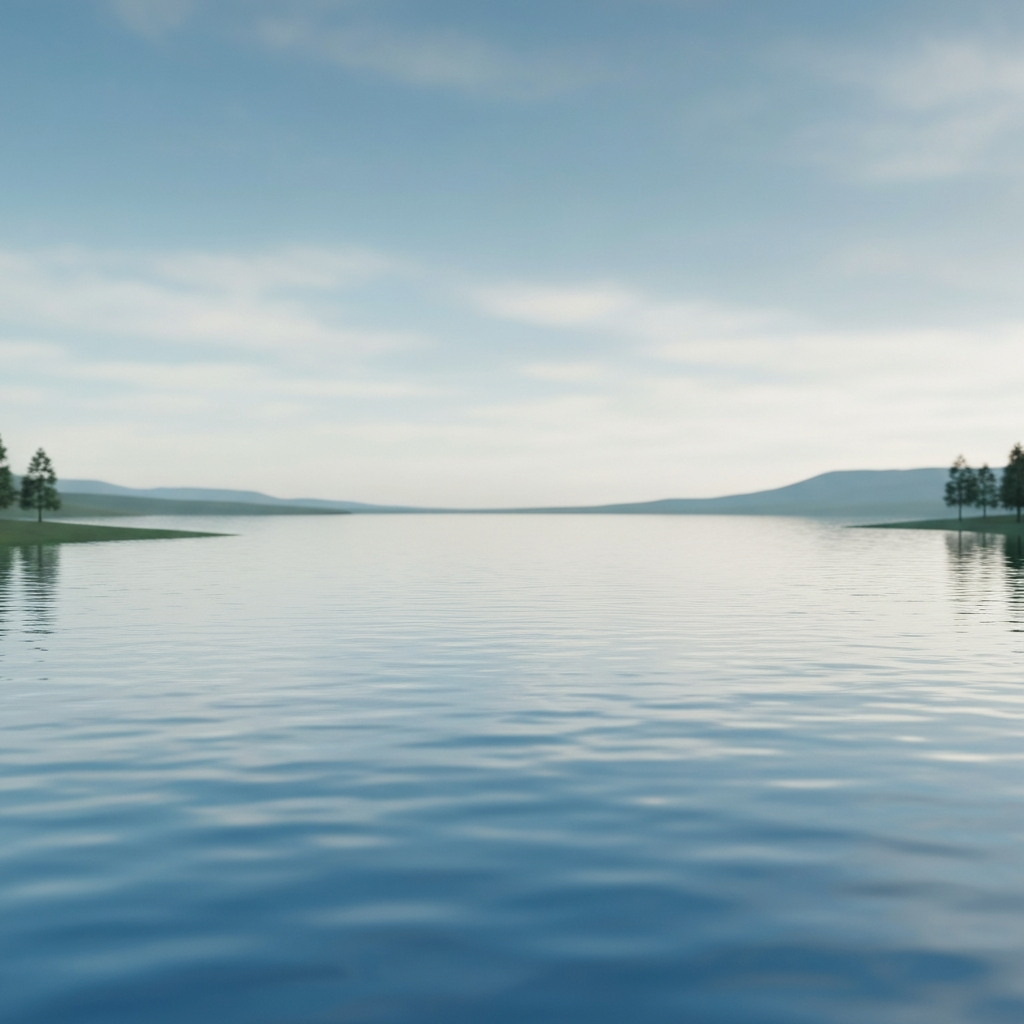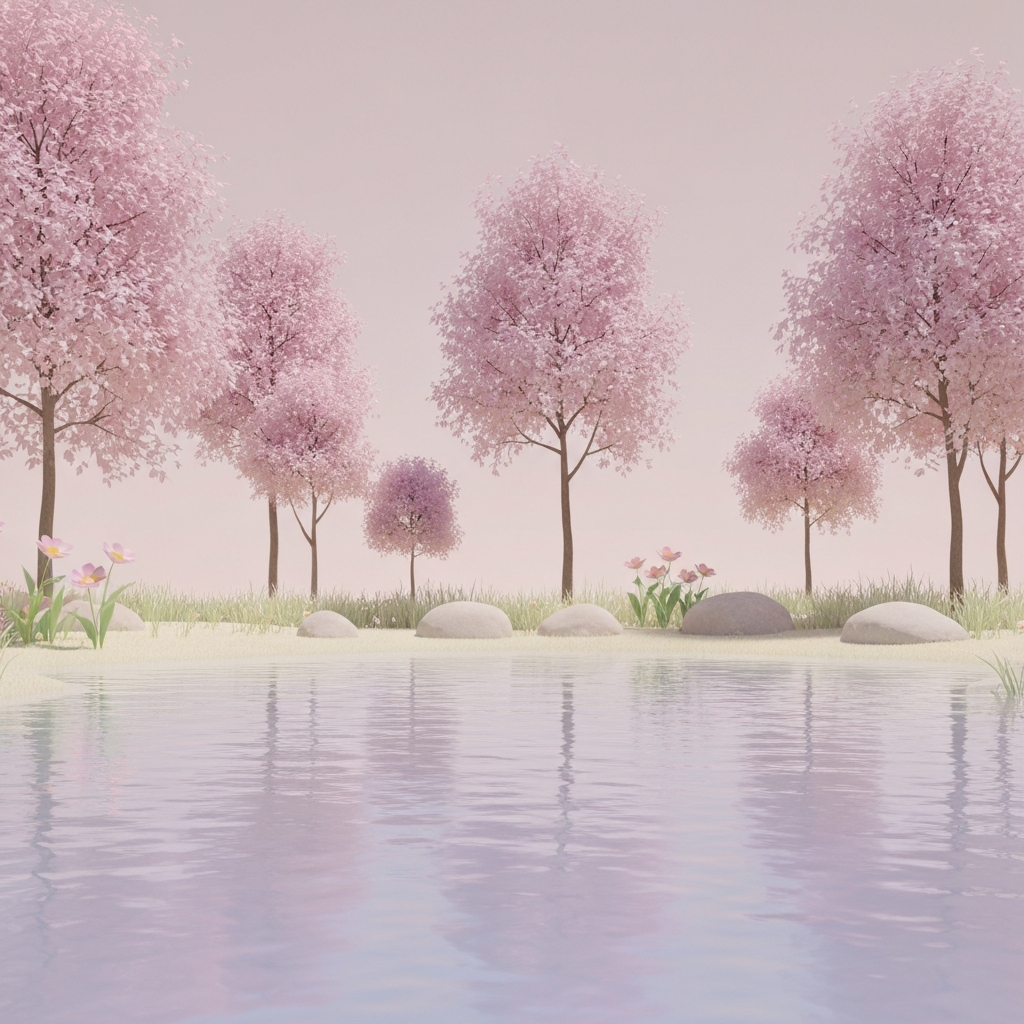
A pond is a small, still, land-based body of water formed by pooling inside a depression, either naturally or artificially. A pond is smaller than a lake and there are no official criteria distinguishing the two, although defining a pond to be less than 5 hectares in area, less than 5 metres (16 ft) in depth and with less than 30% of its area covered by emergent vegetation helps in distinguishing the ecology of ponds from those of lakes and wetlands.
How Topics Connect
graph TD
A["Pond Formation"] --> B["Natural Depression"]
A --> C["Artificial Pooling"]
B --> D["Smaller than Lake"]
D --> E["Less than 5 Hectares"]
D --> F["Less than 5 Metres Deep"]
D --> G["Less than 30% Vegetation"]
What Do These Words Mean?
depression:A low area in the ground.
artificially:Made by people, not natural.
criteria:Rules or standards for judging something.
emergent vegetation:Plants that grow above the water surface.
ecology:The study of how living things interact with their environment.