Did You Know?
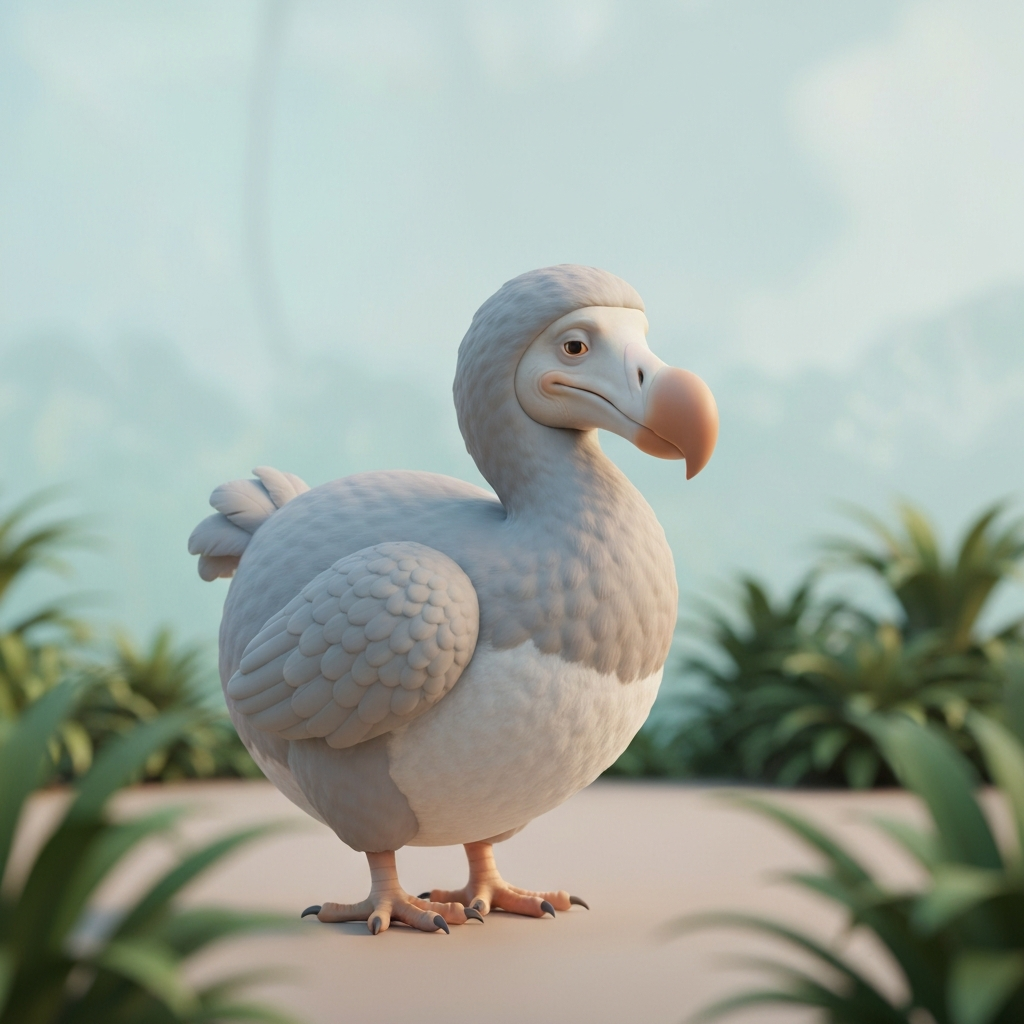
Some scientists want to bring back the dodo bird!
How Cloning Works
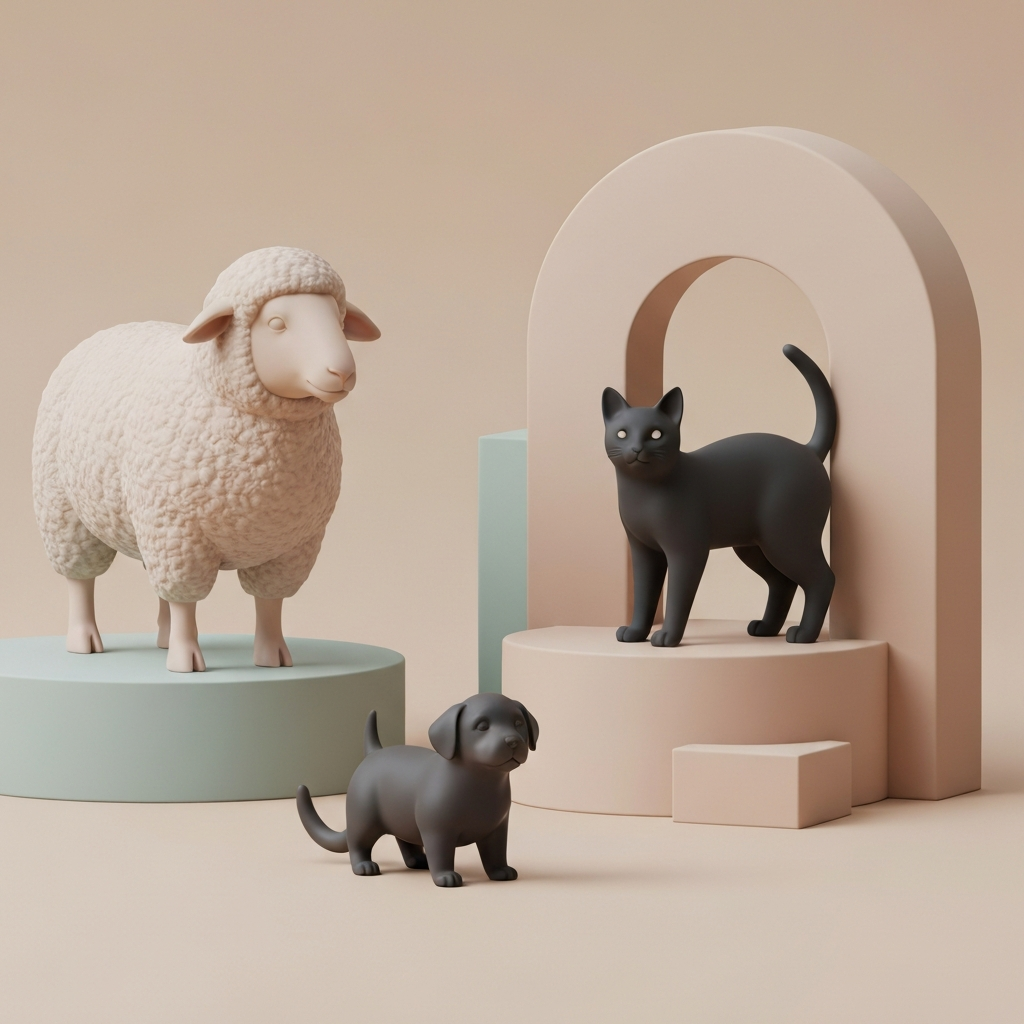
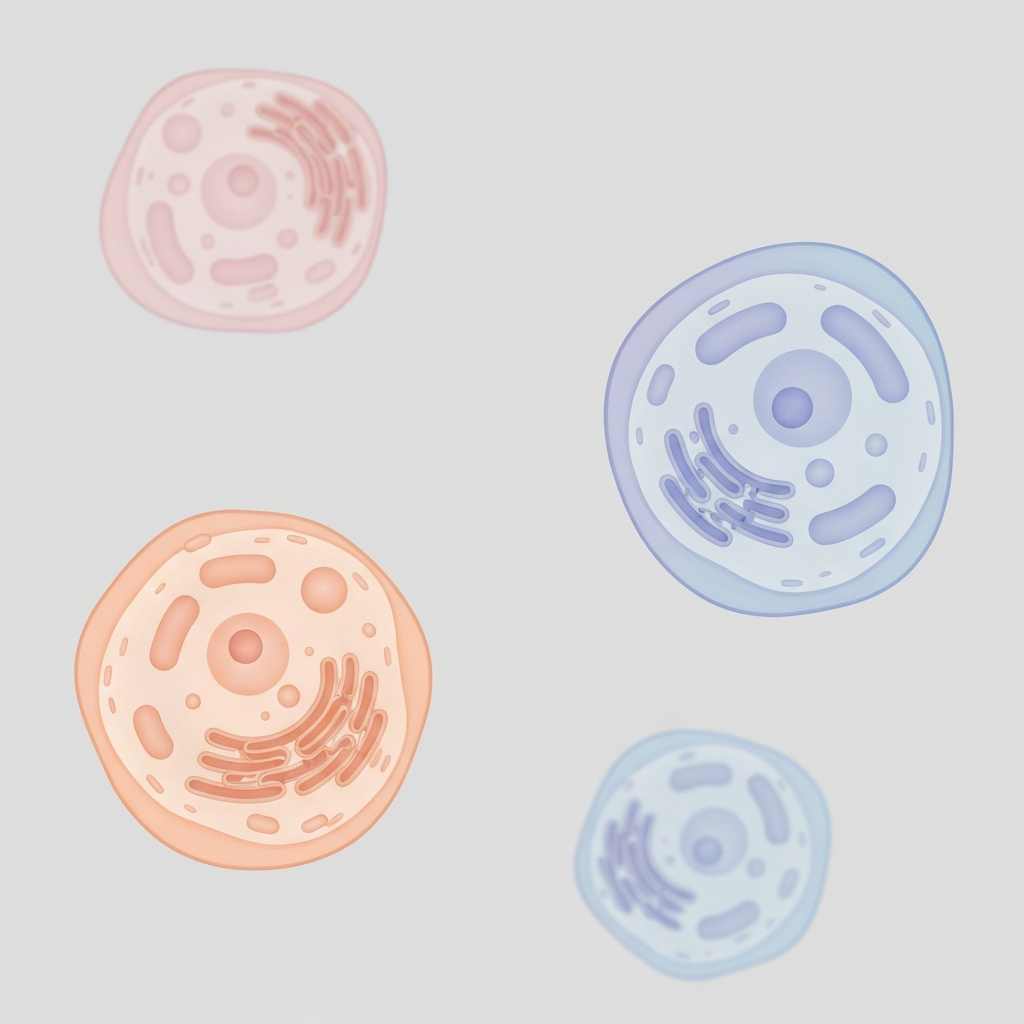
Cloning makes a copy of an animal. It takes cells from the old one.
Why It Matters
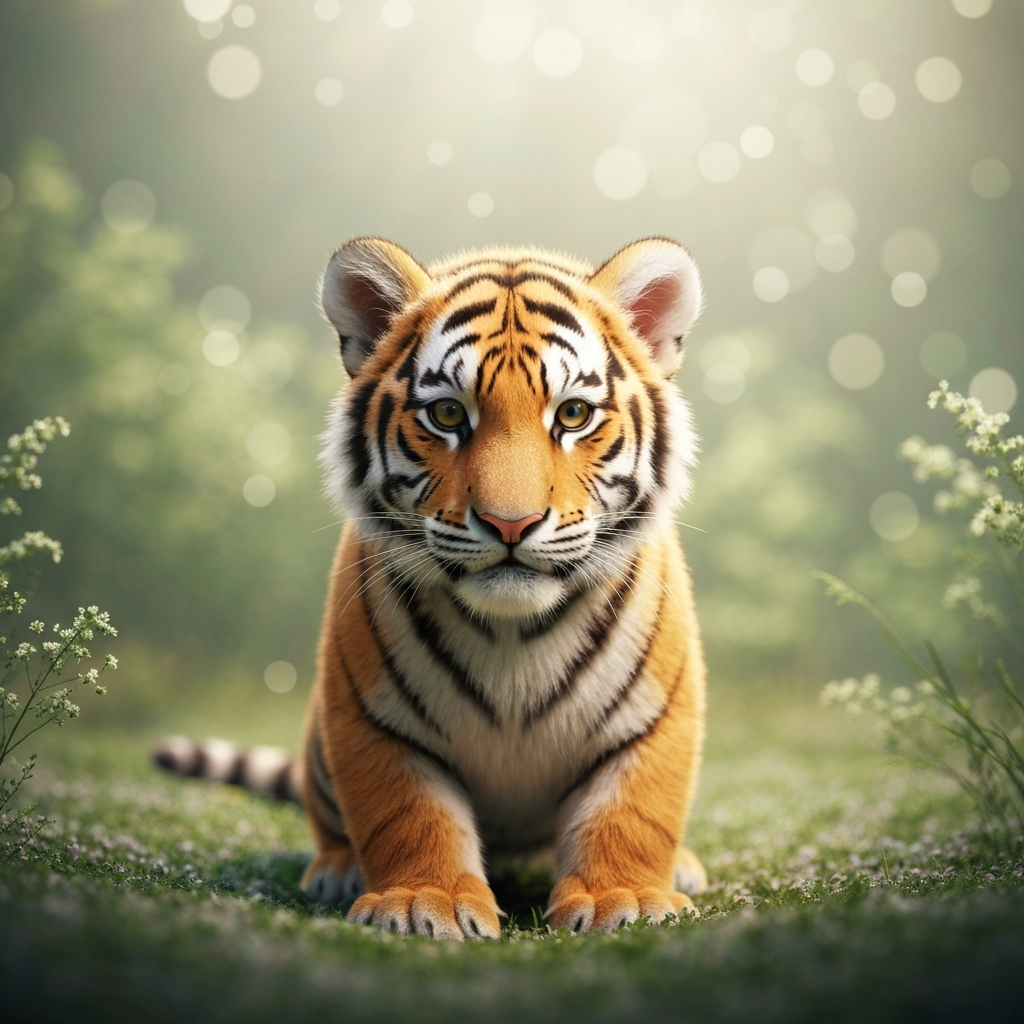
Bringing back animals helps nature. It can fix the past.
What de-extinction Does
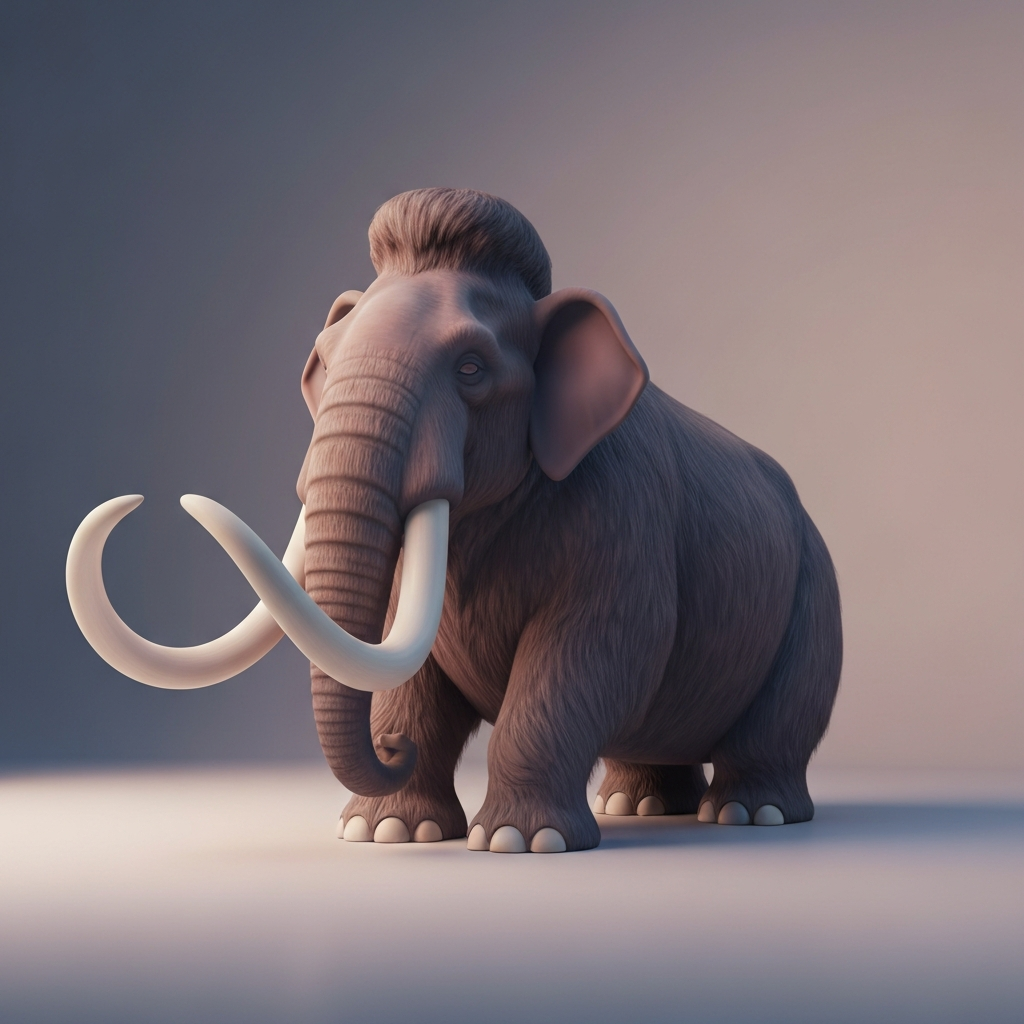
It tries to bring back lost animals.
It helps keep nature in balance.
It can teach us about old times.
It uses science to solve big problems.
It makes us think about right and wrong.
It can help save some animals today.
More About de-extinction
Long ago, some animals went extinct. This means they are not here anymore. Scientists want to fix this. They think we can use science to help.
De-extinction can change how we see nature. It can help us learn about the past. It can also help us save animals that are in danger now.
In the future, we might see old animals again. This can be fun and cool! But we must be careful and think about what is best for all living things.