Did You Know?
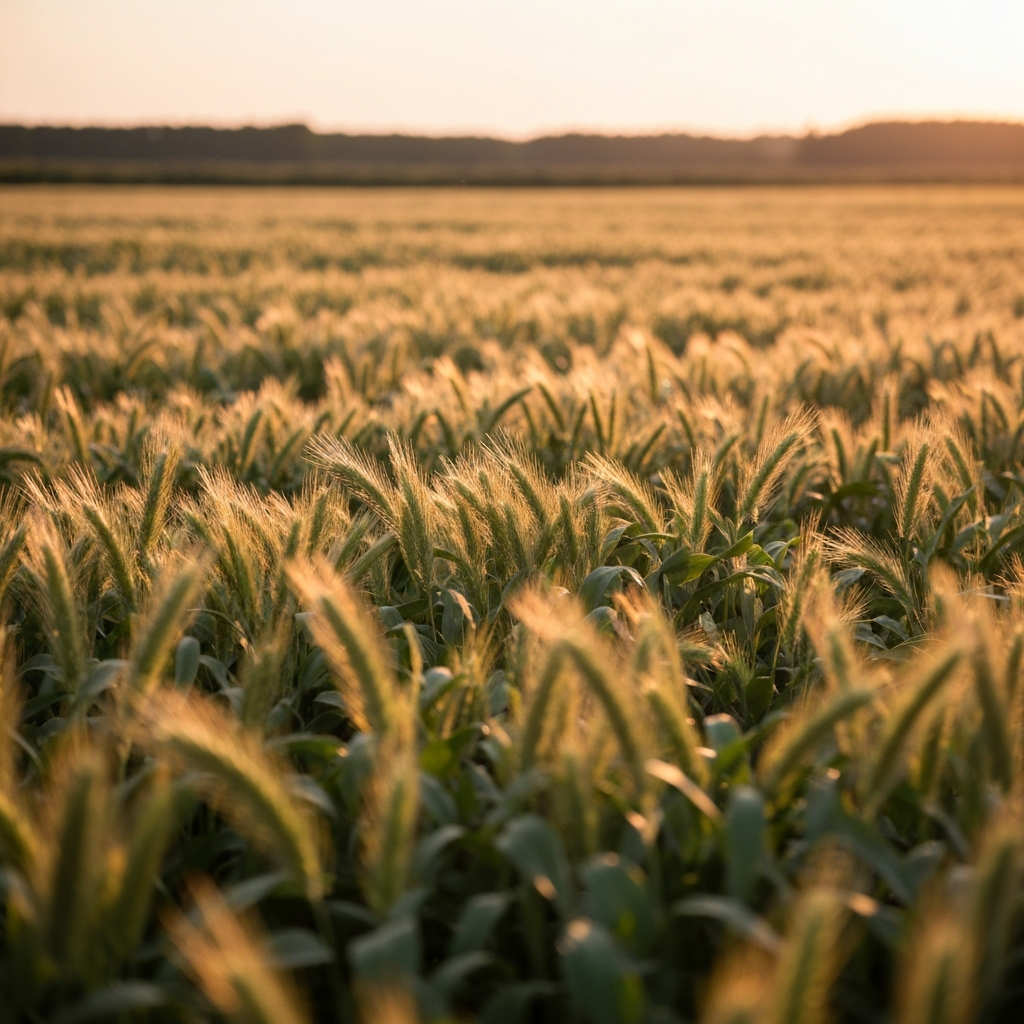
Some plants can clone themselves!
How Cloning Works
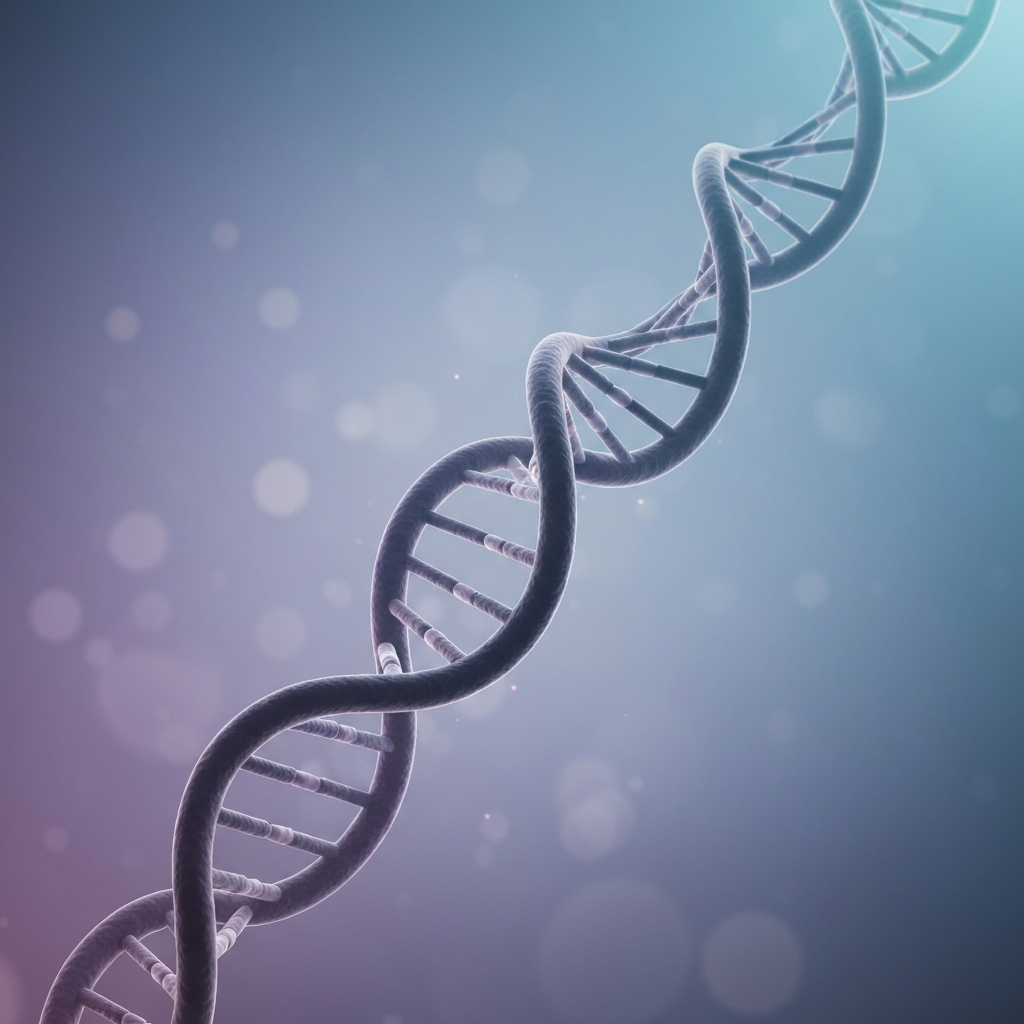
Cloning makes a copy of DNA. DNA is like a recipe for life.
Why Cloning is Important
Cloning helps us fix sick plants and pets.
What cloning Does
Cloning makes exact copies of plants.
It can help save rare animals.
Cloning can help us learn about genes.
It helps fix sick crops.
Cloning can make new medicines.
It helps study how life works.
More About Cloning
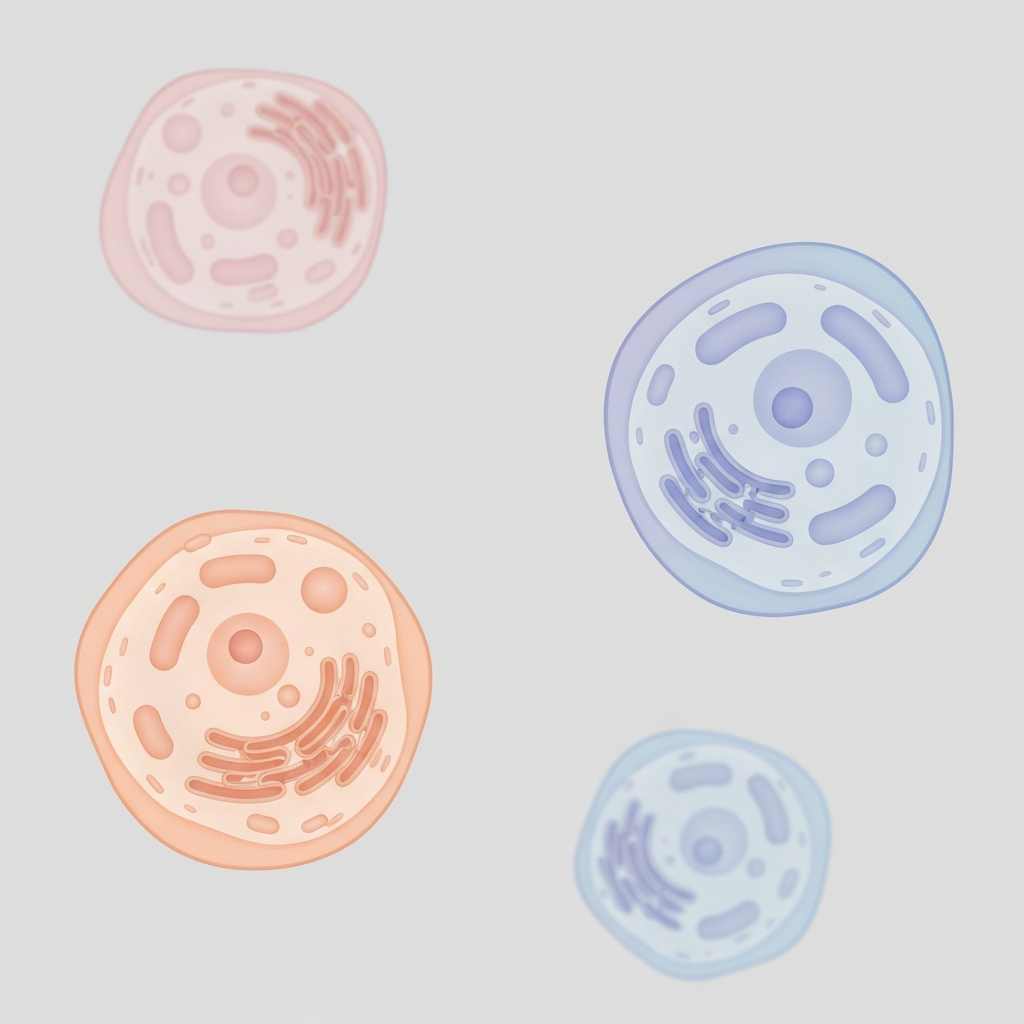
Cloning has been around for a long time. Some plants can clone by themselves. In labs, scientists can clone cells to study them. This helps us learn how to help sick plants and animals.
Cloning is important in our lives. It helps us grow food that is strong and healthy. It can also help us save animals that are almost gone.
In the future, cloning may help us make new kinds of food. It can also help us find cures for diseases. Scientists are always learning new things about cloning.