Did You Know?
Some receptors help us taste yummy food!
How Receptors Work
Receptors catch signals from the world.
Types of Receptors
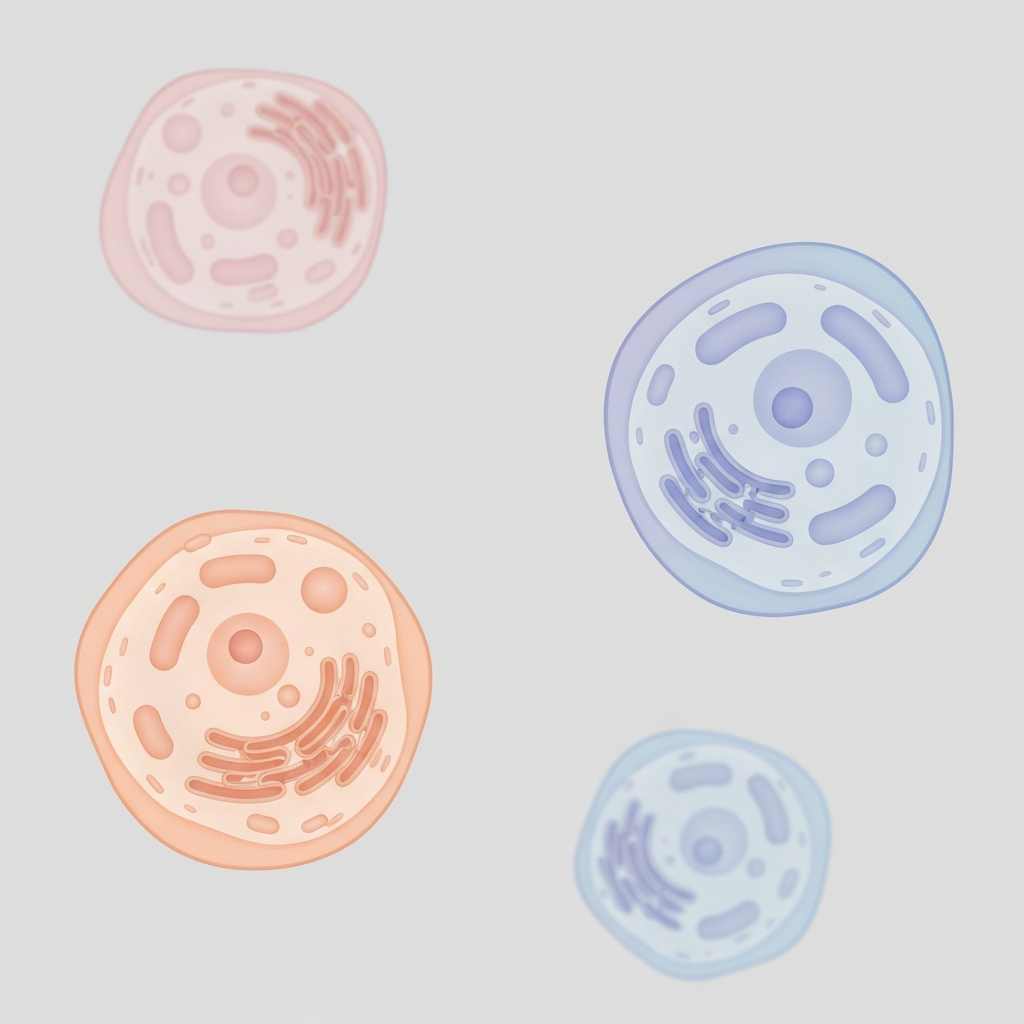
There are many types of receptors.
What Receptors Do
Help us see, hear, and feel.
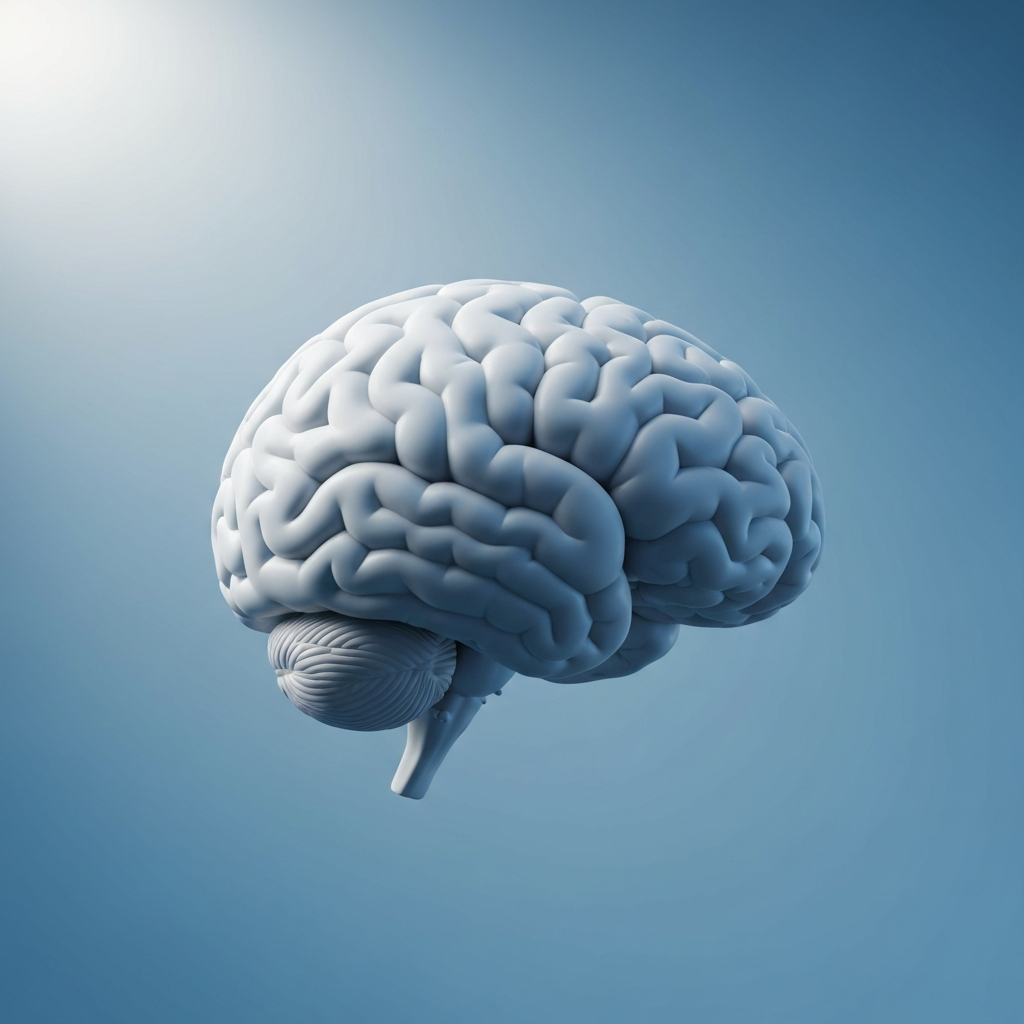
Send messages to our brain.
Help our body fight sickness.
Let us taste and smell things.
Help us feel hot or cold.
Make us aware of our world.
More About Receptors
Receptors are found in many parts of our body. They are very small but very important. They help us know what is happening around us. Without them, we would not feel or see things.
Every day, receptors help us in many ways. They let us feel the sun on our skin or the wind in our hair. They help us taste ice cream and smell flowers. Receptors make our life fun!
In the future, we may learn more about receptors. Scientists want to know how they work better. This can help us stay healthy and feel good!