Did You Know?
Some flowers can trick bees into helping them!
How Mimicry Works
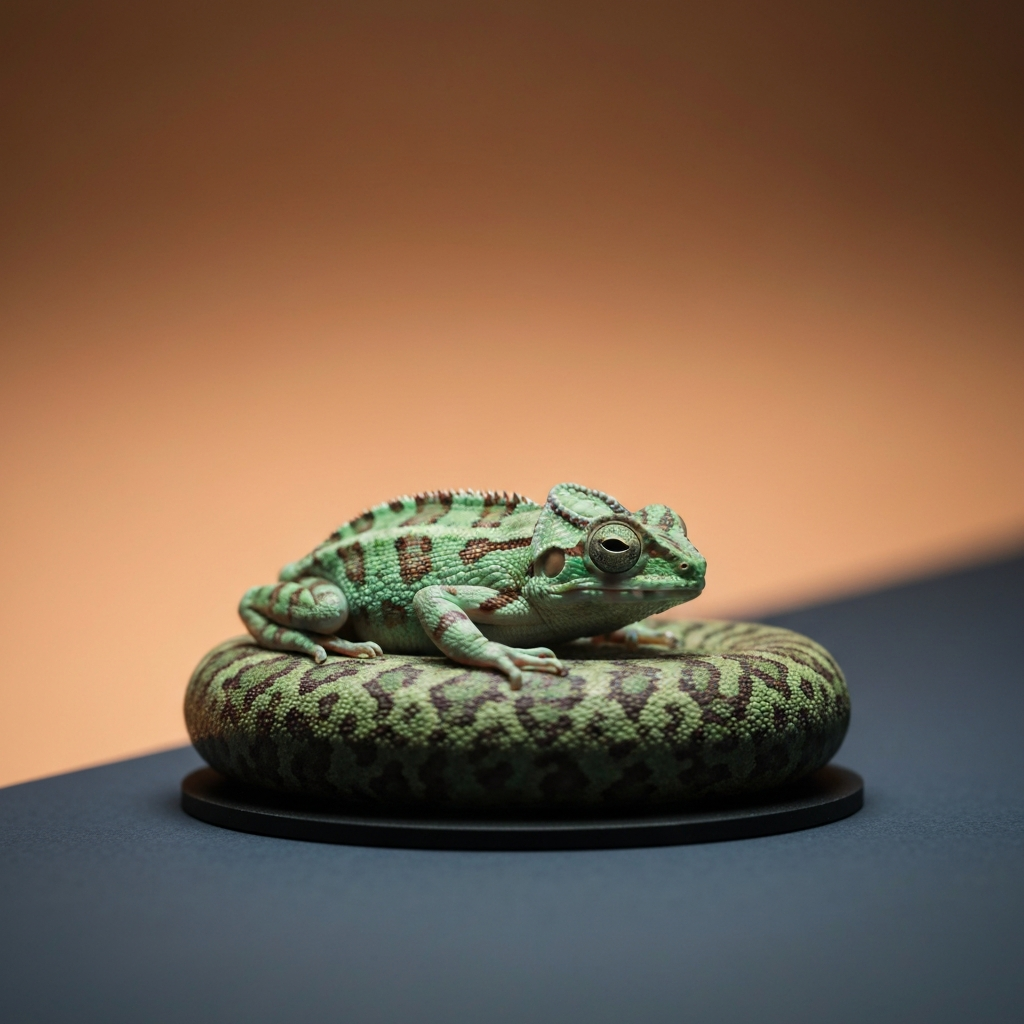
Mimicry helps some animals look safe.
Why Mimicry is Important
Mimicry helps plants and bugs live longer.
What mimicry Does
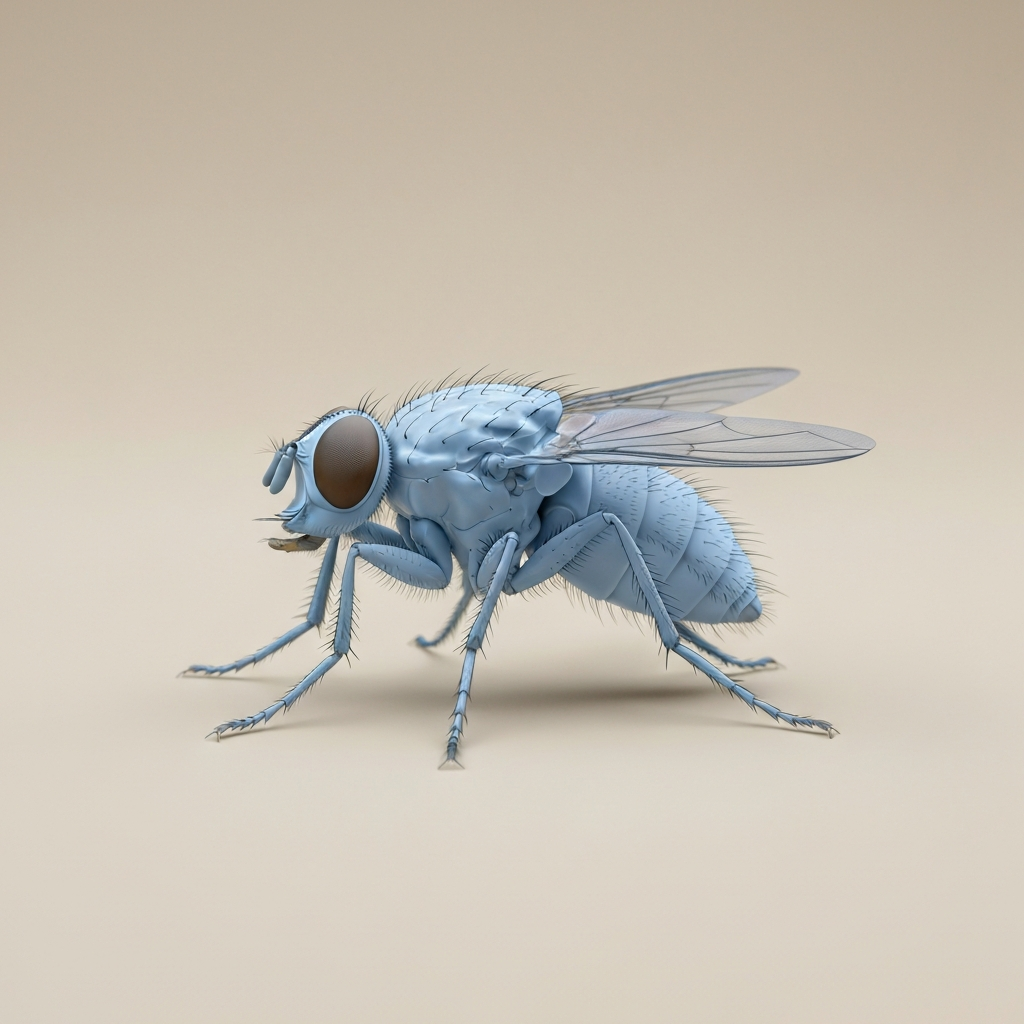
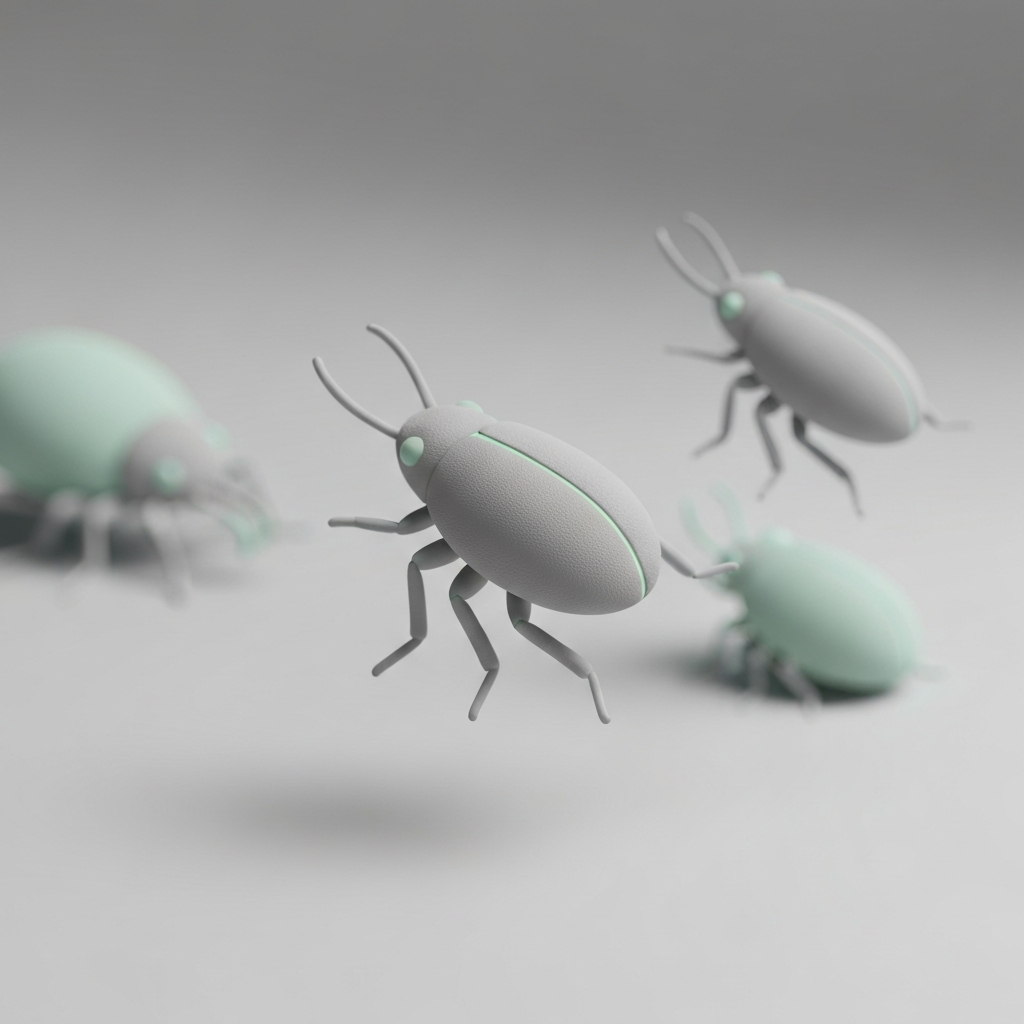
It helps bugs not get eaten.
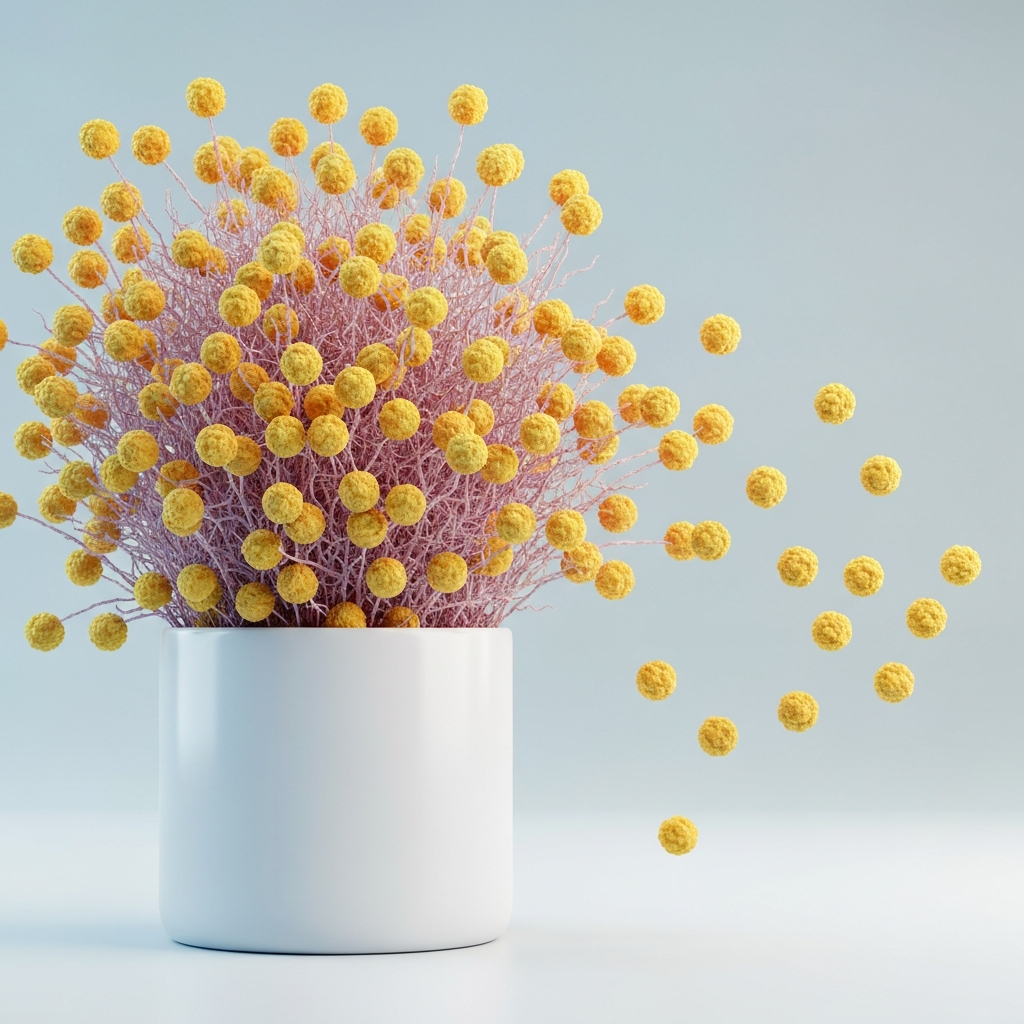
It helps flowers get pollen.
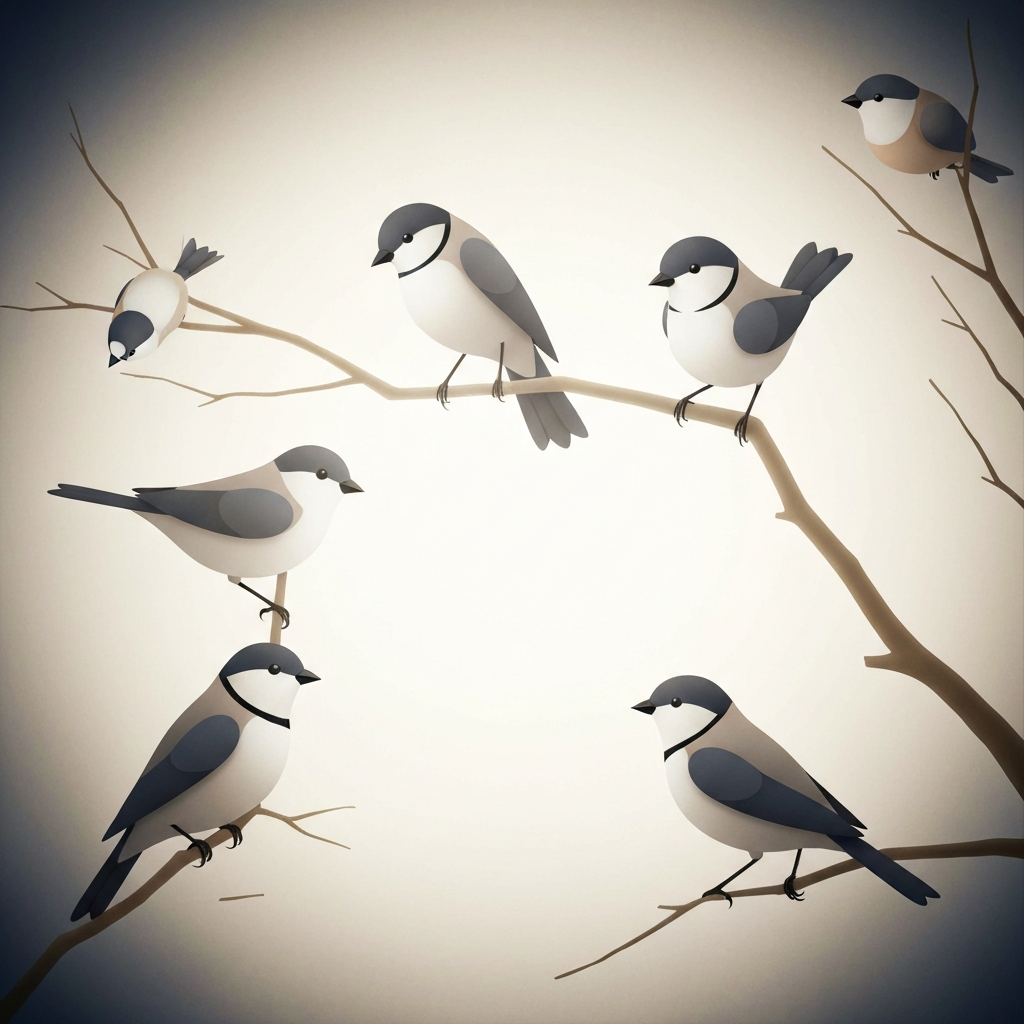
Some birds learn to avoid bad bugs.
Mimicry can help many kinds of life.
It can be found in plants and bugs.
It is a fun way to trick others!
More About mimicry
Mimicry has been around for a long time. Many animals and plants use it to stay safe. It helps them blend in or look like something else. This helps them not get eaten or helps them get food.
Mimicry is important in nature. It helps bugs and plants work together. For example, bees help flowers grow by spreading pollen. In return, flowers give bees food.
There are many types of mimicry. Some are very clever! It shows how smart nature can be. We can learn a lot from how these tricks work.