Did You Know?
Some fossils are over 500 million years old!
How Fossils Form
Fossils form when plants or animals die. They get buried in mud or sand. Over time, they turn hard.
Why Fossils Matter
Fossils help us learn about the past. They show us what life was like. They can tell us about big changes on Earth.
What Fossils Do
Fossils show us what animals lived.
They help us learn about plants.
Fossils can tell us about old climates.
They help us find new kinds of life.
Fossils can be used in schools.
They are fun to dig up and find!
More About Fossils
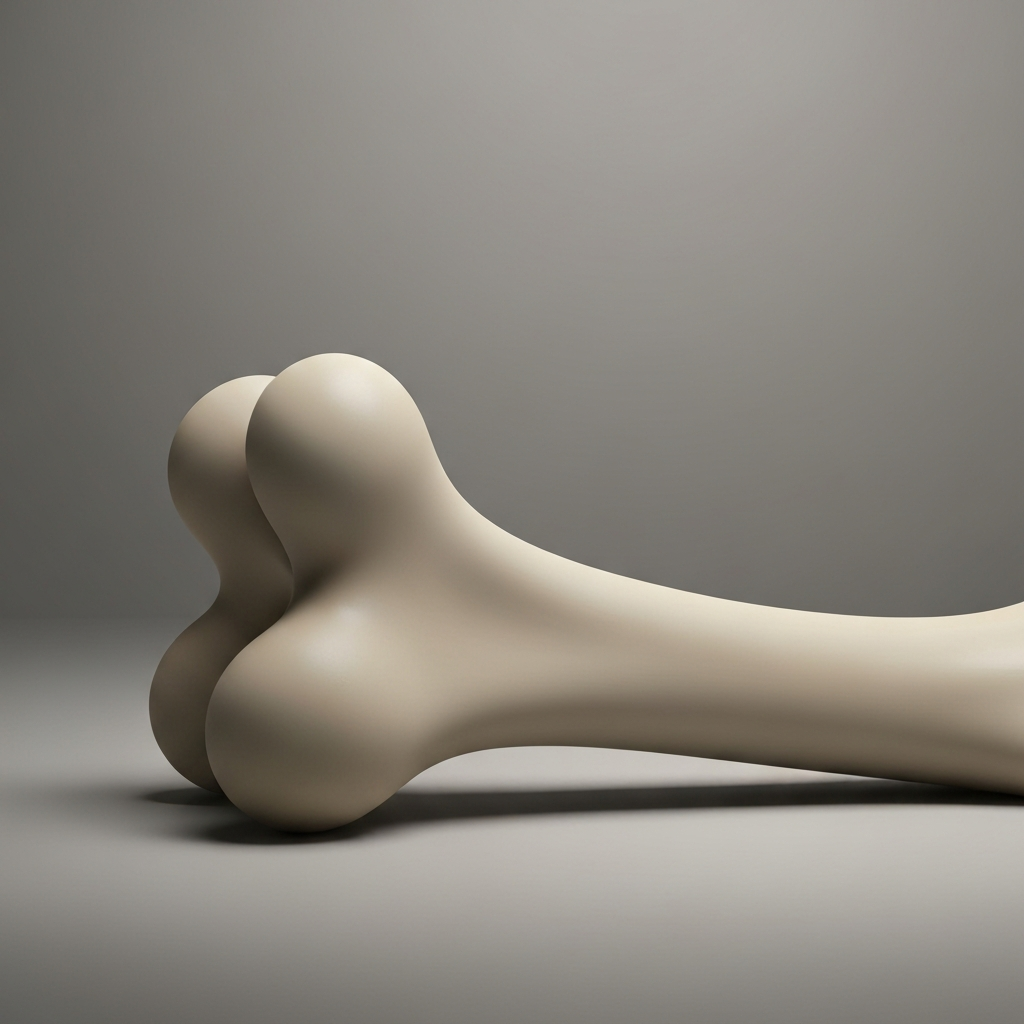
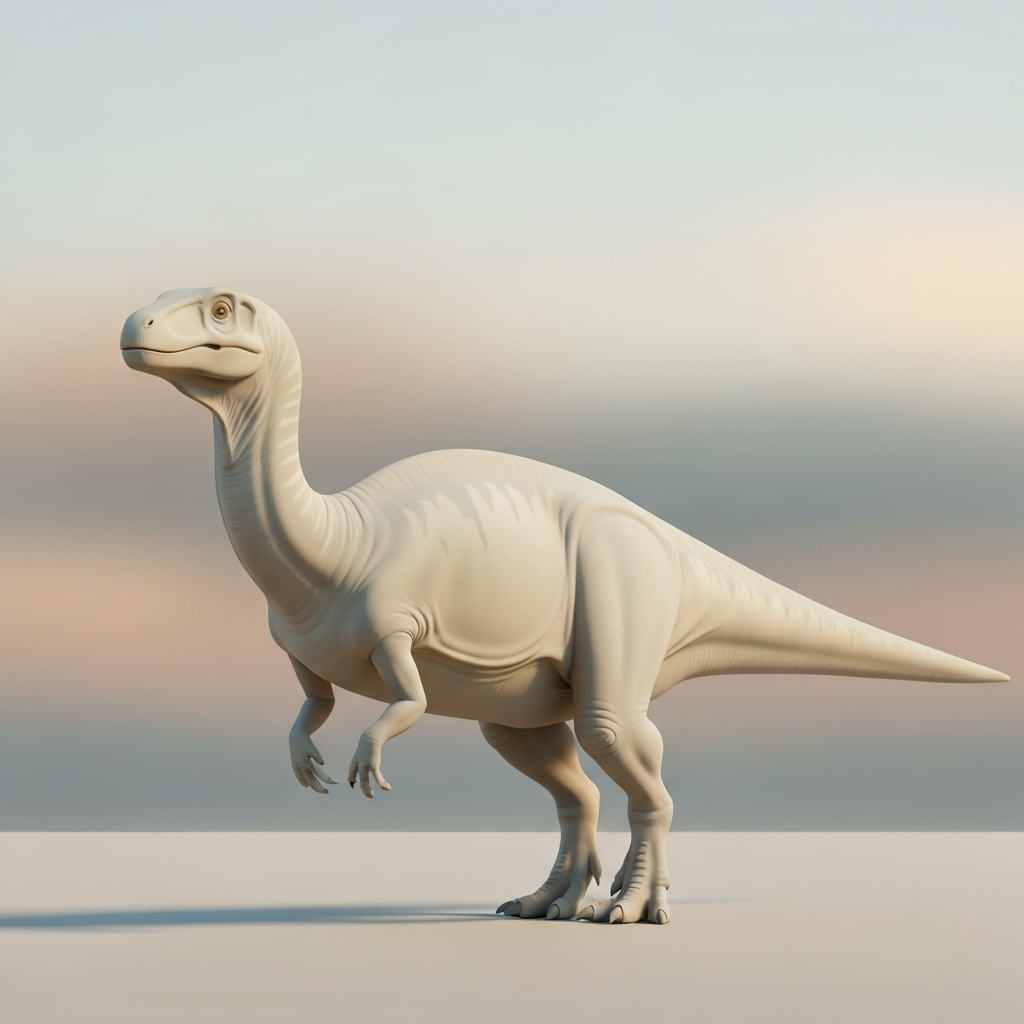
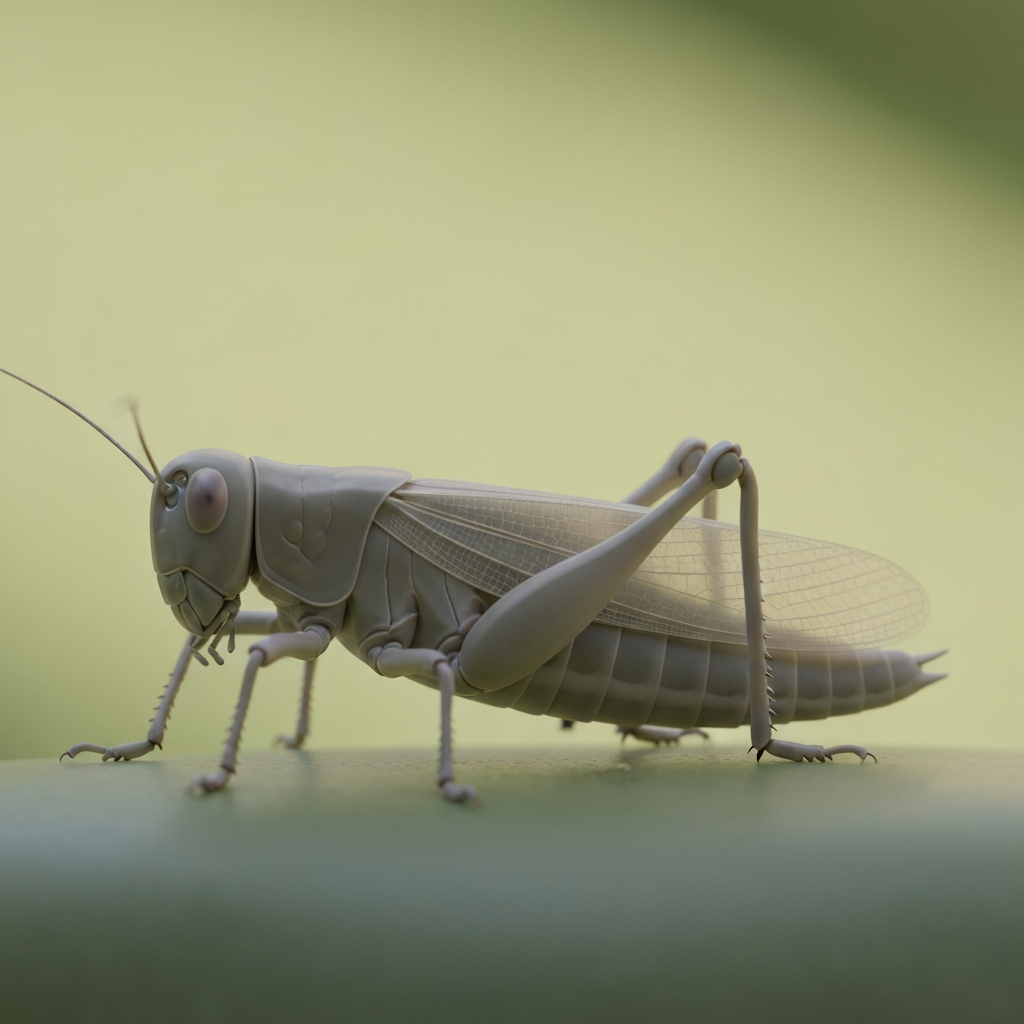
Fossils have been found all over the world. They can be in rocks, dirt, or even ice. Some fossils are very small, like tiny bugs. Others are huge, like big dinosaur bones.
Fossils help us understand how life has changed. They show us how animals and plants grew and lived. We can see how they changed over time.
In the future, we will find more fossils. Each one helps us learn more about Earth. Fossils are like a time machine to the past!