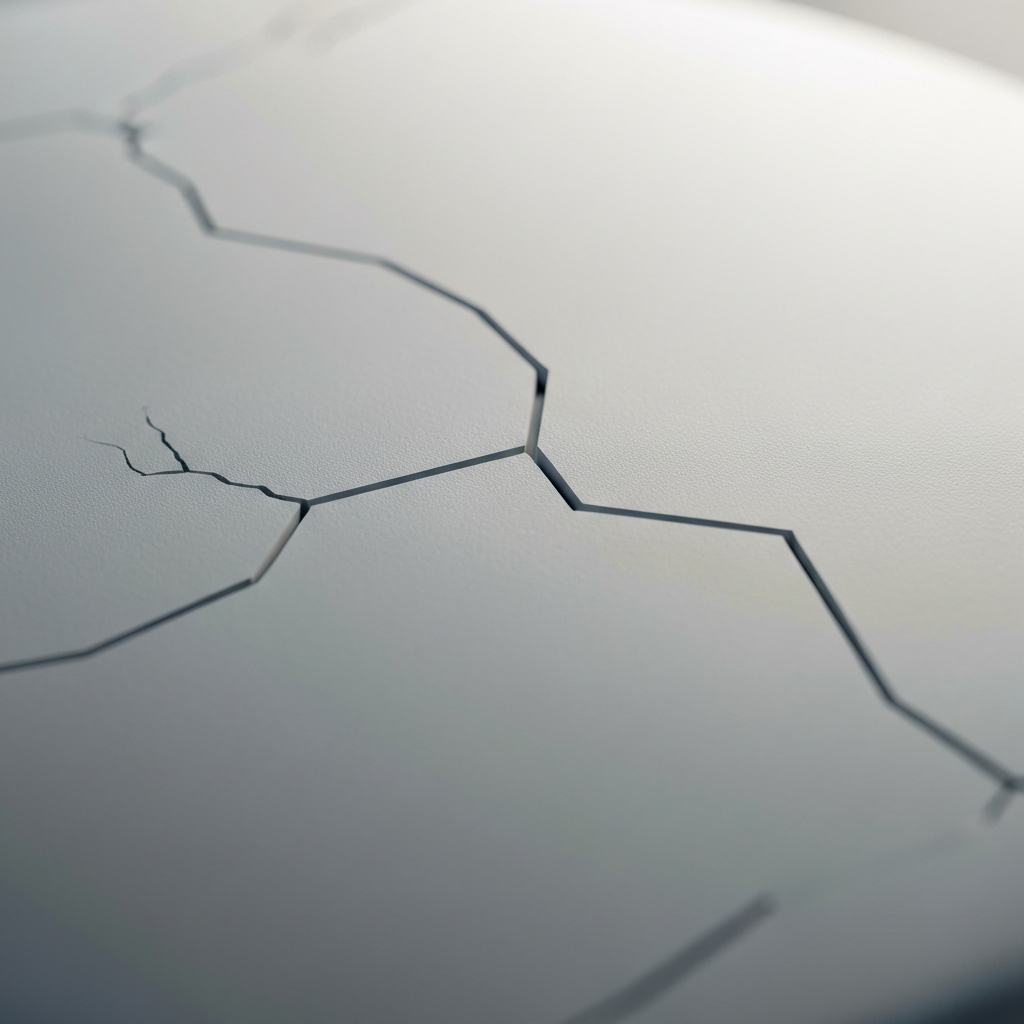
Did You Know?
Some faults can make big shakes!
What is a Fault?
A fault is a crack in the earth.
Why Are Faults Important?
Faults help us learn about rocks.
What Fault Does
Faults can cause shakes in the ground.
They help us find out about rocks.
Some faults are safe and small.
Others can be big and strong.
Faults can change the earth's shape.
They help us learn about the past.
More About Fault
Faults have been here for a long time. They can show us how the earth moves. Some faults are old, and some are new. Each fault tells a story.
Faults can affect where we live. If a fault shakes, it can make things fall. We must be safe and know what to do.
In the future, we can learn more. Scientists study faults to keep us safe. They want to know how to help us when the ground shakes.
How Topics Connect
graph TD
A["Fault commonly refers to"] --> B["Fault (geology)"]
A["Fault commonly refers to"] --> C["Fault (law)"]
B["Fault (geology)"] --> D["Planar rock fractures"]
D["Planar rock fractures"] --> E["Evidence of relative movement"]
C["Fault (law)"] --> F["Blameworthiness or responsibility"]
What Do These Words Mean?
Fault (geology):A crack in the Earth's surface where rocks have moved.
Planar:Flat or level.
Fractures:Breaks or cracks in something.
Relative movement:Movement of one thing compared to another.
Blameworthiness:Being responsible for a mistake or wrongdoing.