Did You Know?
Your heart beats about 100,000 times a day!
How It Works
Stickers on your chest read heart signals.
Why It Matters
It helps find heart problems fast.
What ECG Does
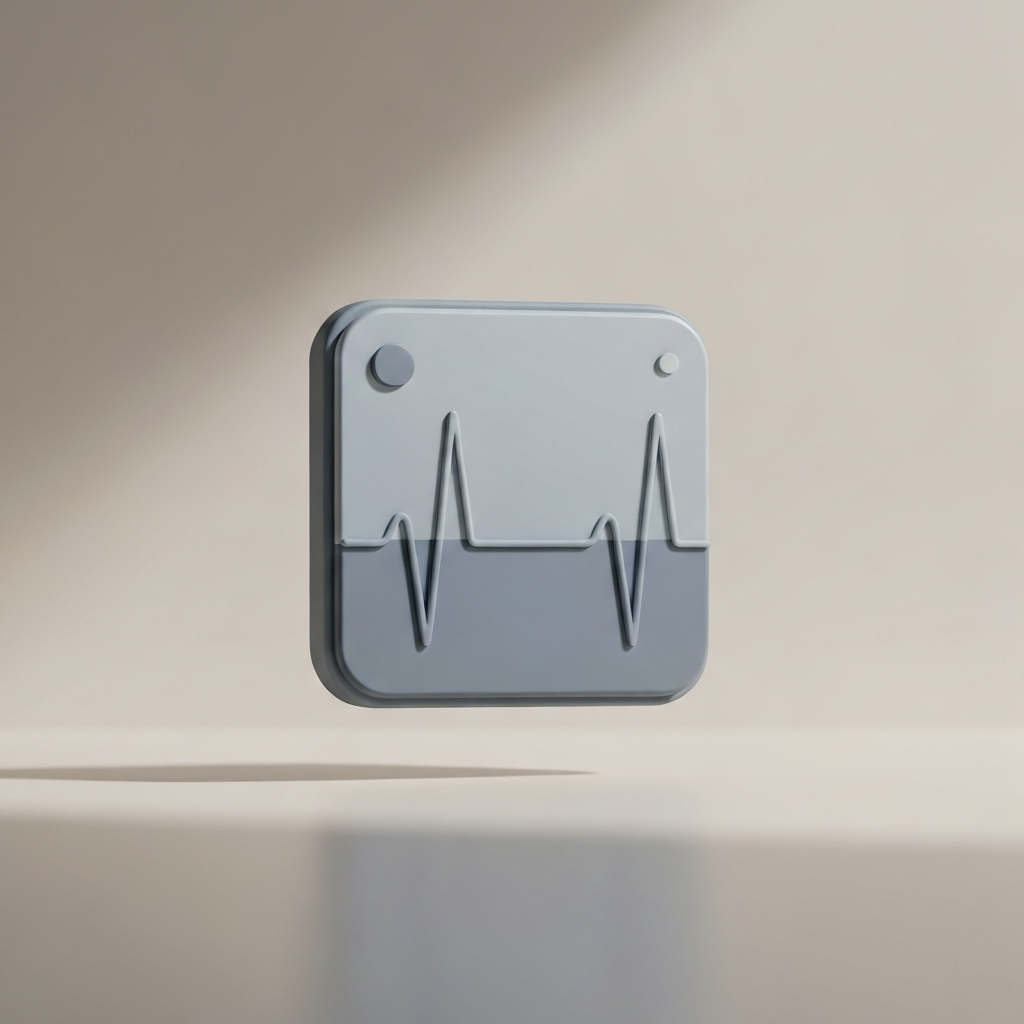
It shows how fast your heart beats.
It checks if your heart is strong.
It helps find heart issues early.
It is safe and quick to do.
Doctors can see the heart's health.
It helps keep you feeling good.
More About ECG
The ECG test has been used for many years. It helps doctors learn about the heart. The first ECG was made in the 1900s. Now, it is a common test in hospitals.
Every day, many people get an ECG. It helps keep our hearts healthy. If a doctor sees a problem, they can help fix it. This way, we can stay strong and active.
In the future, ECGs may get even better. New tech can help make the test faster. This means more people can get help for their hearts!