Did You Know?
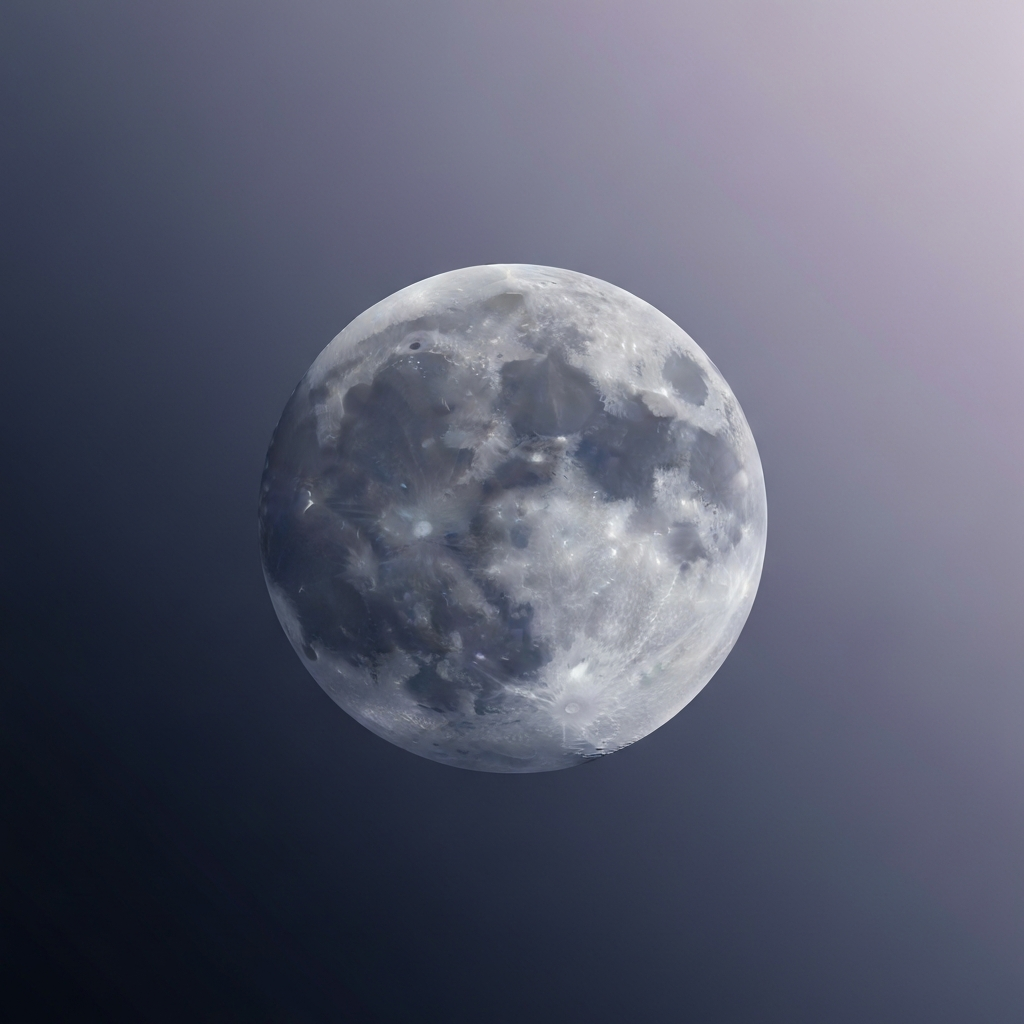
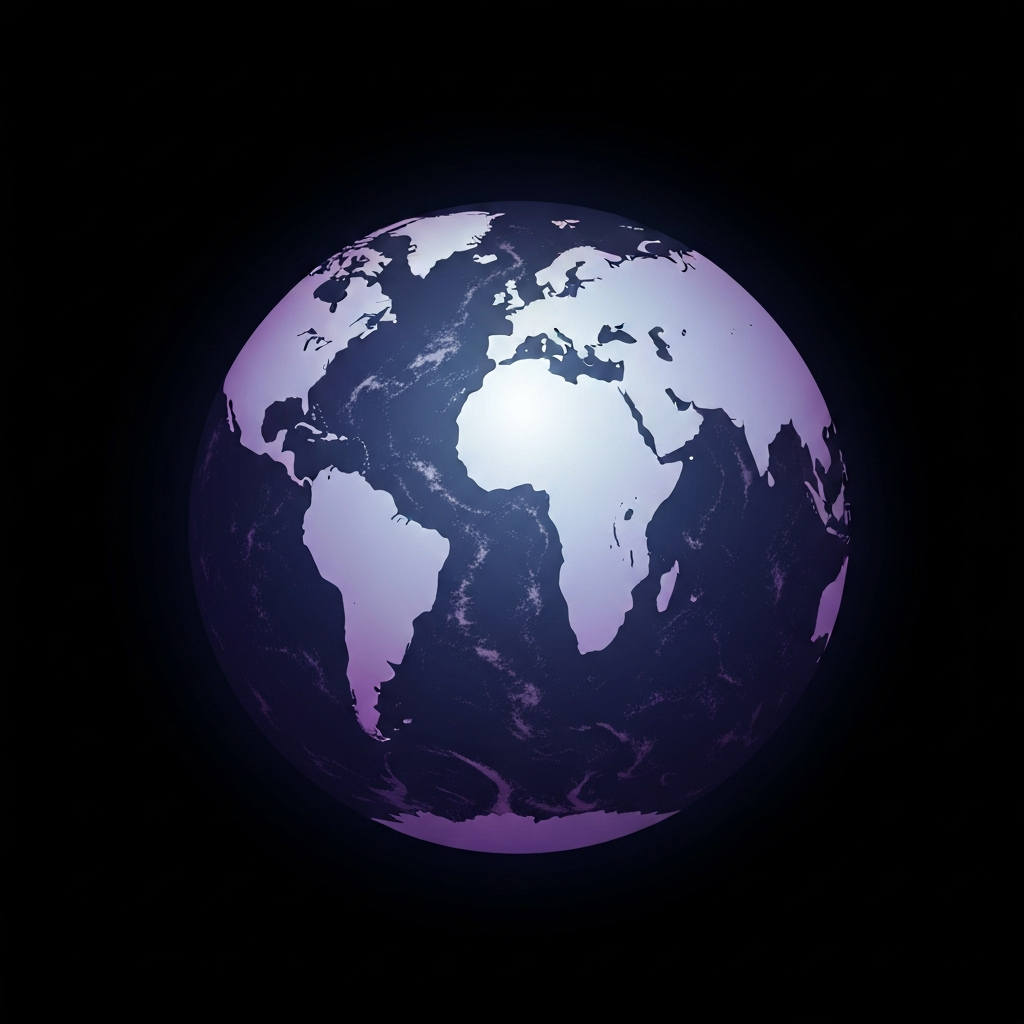
The Moon has more craters than Earth!
How Craters Form
Craters can form when rocks hit the ground.
Craters on the Moon
The Moon has many craters from space rocks.
What Crater Does
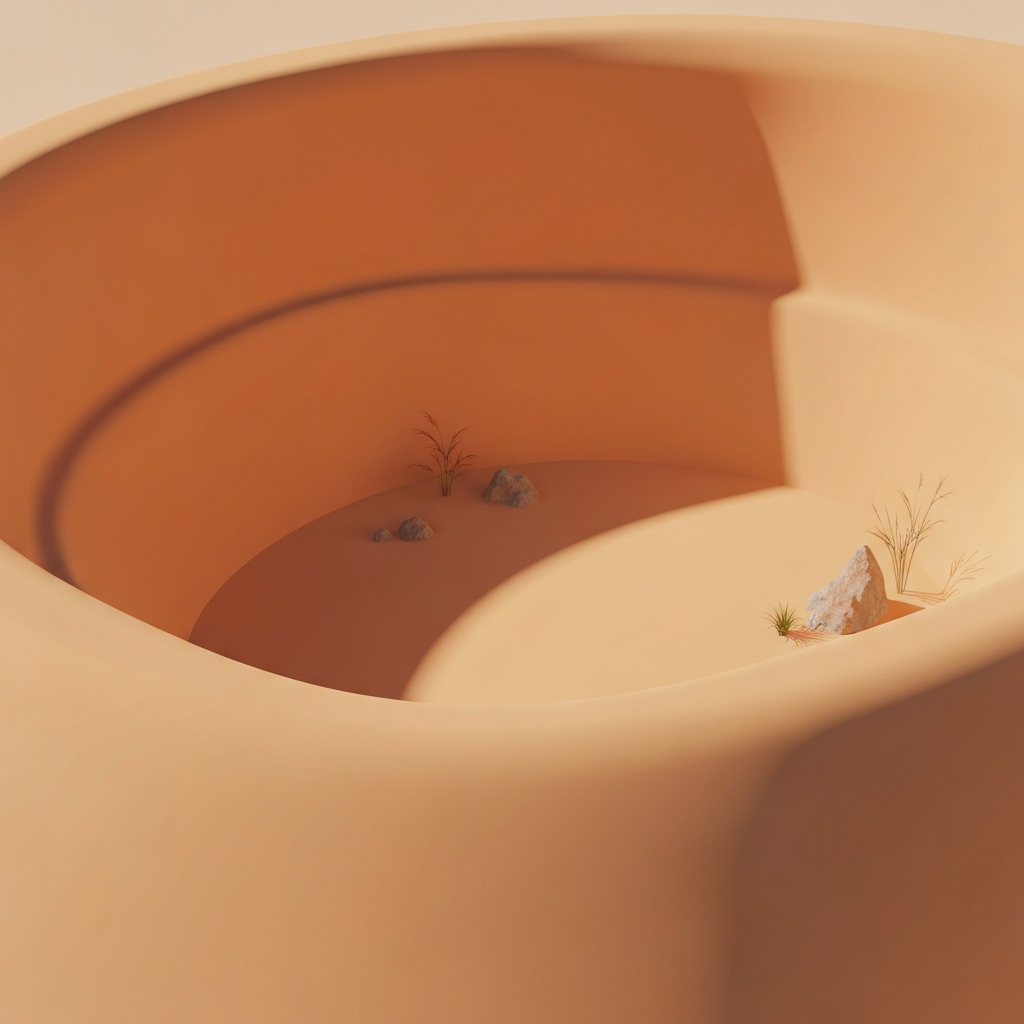
A crater can hold water.
Animals can live in craters.
Craters can show us Earth's past.
They help us learn about space.
Some craters are very old.
We can see craters from space!
More About Crater
Craters can be big or small. Some are deep, and some are wide. They can be found on Earth and other planets. The Moon has many craters from rocks that hit it.
Craters can change the land. They can hold rainwater and make ponds. Some plants and bugs can live in craters. This helps nature.
In the future, we may find more craters. They can tell us more about space. We can learn how planets are made.
How Topics Connect
graph TD
A["Crater Definition"] --> B["Landform with Hole/Depression"]
A --> C["Causes: Impact or Geological Activity"]
B --> D["Bowl-shaped Pit"]
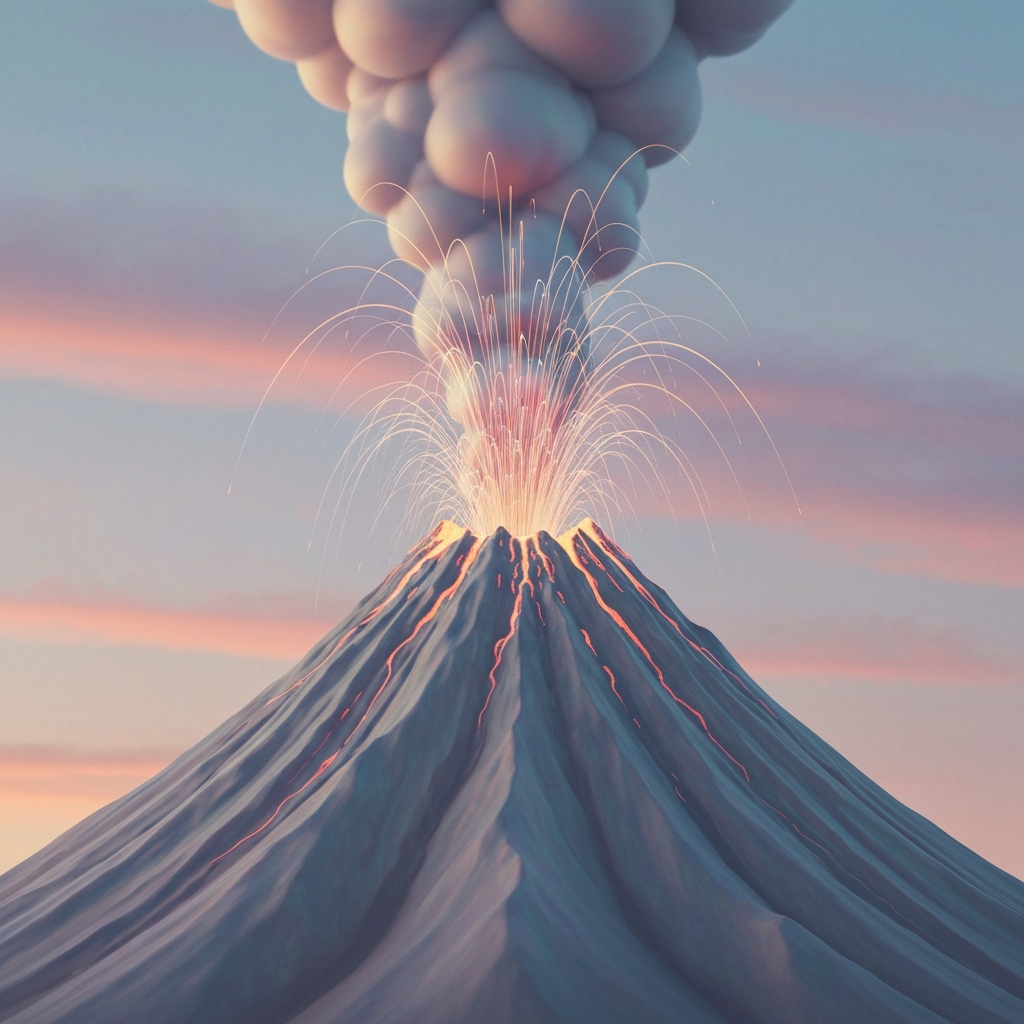
D --> E["Formed by Volcano"]
D --> F["Formed by Explosion"]
D --> G["Formed by Meteorite Impact"]
H["Craters on Earth vs Moon"] --> I["Volcanic Eruptions on Earth"]
H --> J["Meteorite Impact Craters on Moon"]
What Do These Words Mean?
crater:a hole or dip in the ground made by an explosion or impact
landform:a natural shape or feature on the Earth's surface
geological activity:natural processes that change the Earth's surface, like volcanoes or earthquakes
volcanic eruptions:when a volcano explodes and releases lava, ash, and gases
meteorite impact:when a space rock hits the Earth's surface