Did You Know?
There are 21 consonants in English!
How We Make Sounds
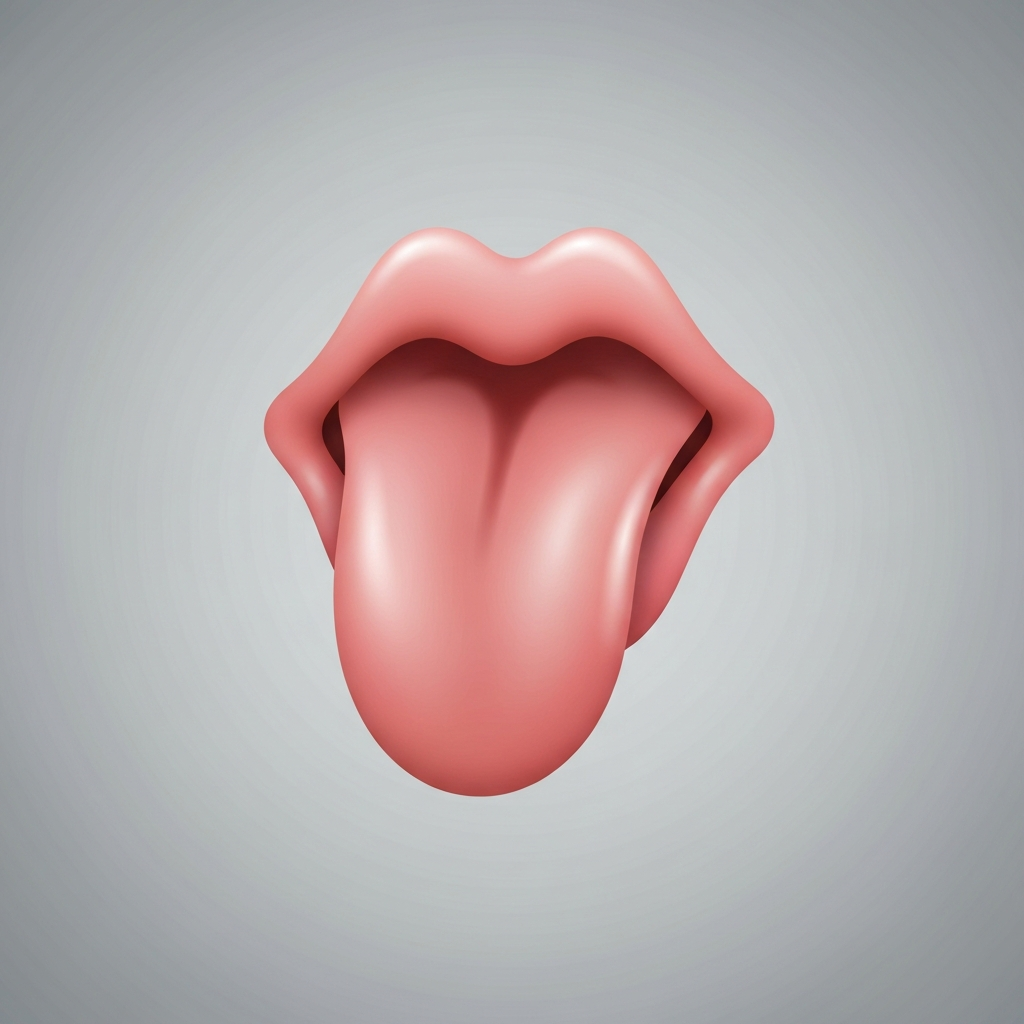
We use our mouth to make sounds.
Consonants and Vowels
Consonants are not the same as vowels.
What consonant Does
Consonants help us make words.
They can be loud or soft sounds.
Some consonants are hard to say.
We need consonants to talk fast.
They can change how words sound.
We use consonants every day.
More About consonant
Consonants are part of our speech. They help us form words. We learn them when we are young. Some sounds are easy, like "m" or "n". Others can be tricky, like "th".
We use consonants in our daily lives. They help us talk to friends and family. When we read, we see consonants in words. They make our speech clear and fun.
Did you know? Some languages have more consonants! This makes their sounds unique. Learning about consonants can help us speak better.
How Topics Connect
graph TD
A["Consonants"] --> B["Articulated with Closure"]
A --> C["Examples"]
C --> D["[b] - Lips"]
C --> E["[d] - Front of Tongue"]
C --> F["[g] - Back of Tongue"]
C --> G["[v] - Fricative"]
C --> H["[z] - Fricative"]
A --> I["Pulmonic Consonants"]
A --> J["Non-Pulmonic Consonants"]
What Do These Words Mean?
articulatory phonetics:The study of how speech sounds are made with the mouth and vocal tract.
consonant:A speech sound made by blocking airflow in some way.
pulmonic:Using air from the lungs to create sounds.
fricatives:Sounds made by forcing air through a narrow space.
nasals:Sounds made with air flowing through the nose.