Did You Know?
Our nose has chemoreceptors that help us smell!
How They Work
Chemoreceptors feel chemicals and send info.
Where They Are
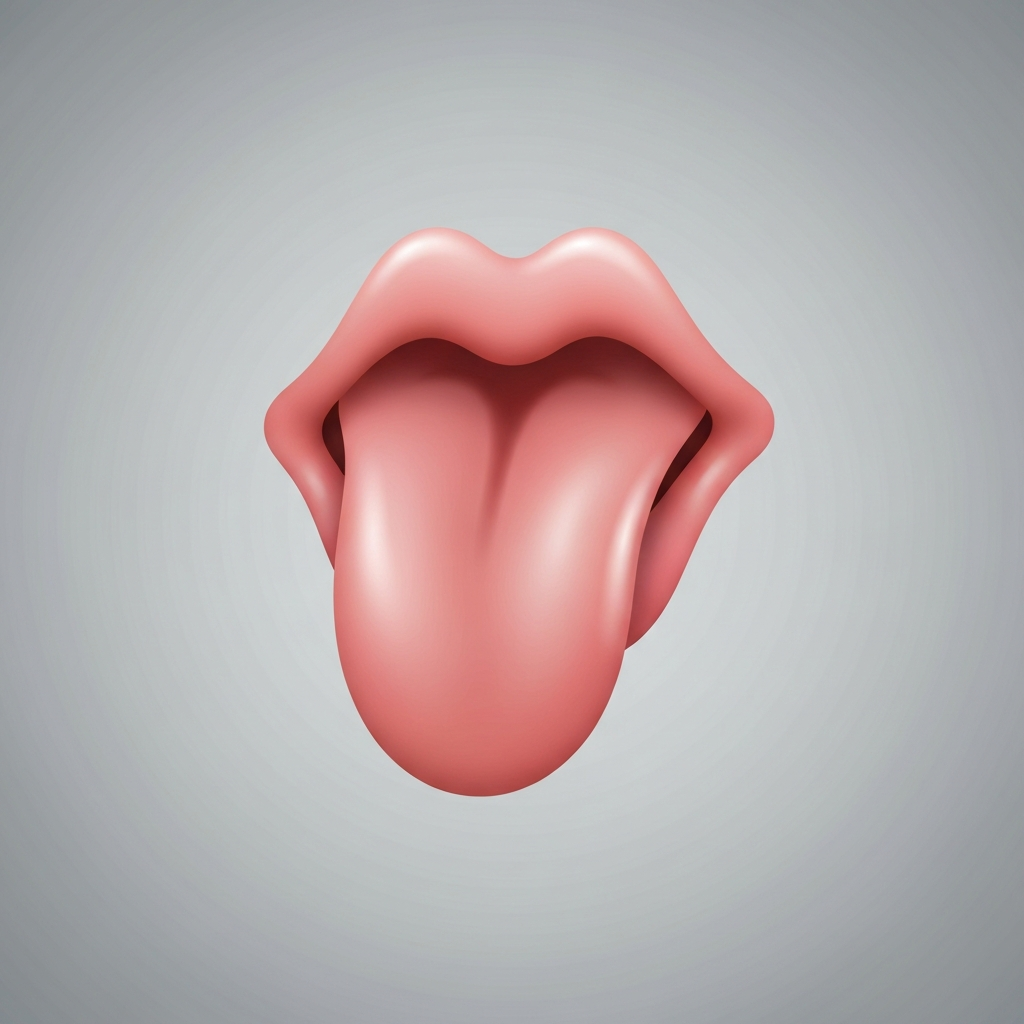
They are in our nose and tongue.
What chemoreceptors Does
They help us taste food.
They help us smell things.
They help us breathe right.
They keep us safe from bad stuff.
They tell us when to eat.
They help us feel our world.
More About chemoreceptors
Chemoreceptors are small parts in our body. They help us with taste and smell. They are very old and have been here for a long time. All animals have them in some way.
We use chemoreceptors every day. They help us know what food is good to eat. They also help us smell flowers or bad smells.
In the future, we may learn more about them. Scientists want to know how they work better. This can help us stay healthy!
How Topics Connect
graph TD
A["Chemoreceptor"] --> B["Specialized Sensory Receptor"]
B --> C["Transduces Chemical Substance"]
C --> D["Generates Biological Signal"]
D --> E["Action Potential (Neuron)"]
D --> F["Neurotransmitter (Specialized Cell)"]
E --> G["Activates Nerve Fiber"]
F --> H["Engages Body Responses"]
What Do These Words Mean?
chemoreceptor:A special sensor that detects chemicals and sends signals in the body.
transduces:Changes one form of signal into another.
action potential:An electrical signal that travels along a nerve.
neurotransmitter:A chemical that helps send messages between nerve cells.
homeostasis:The body's way of keeping things balanced and stable.