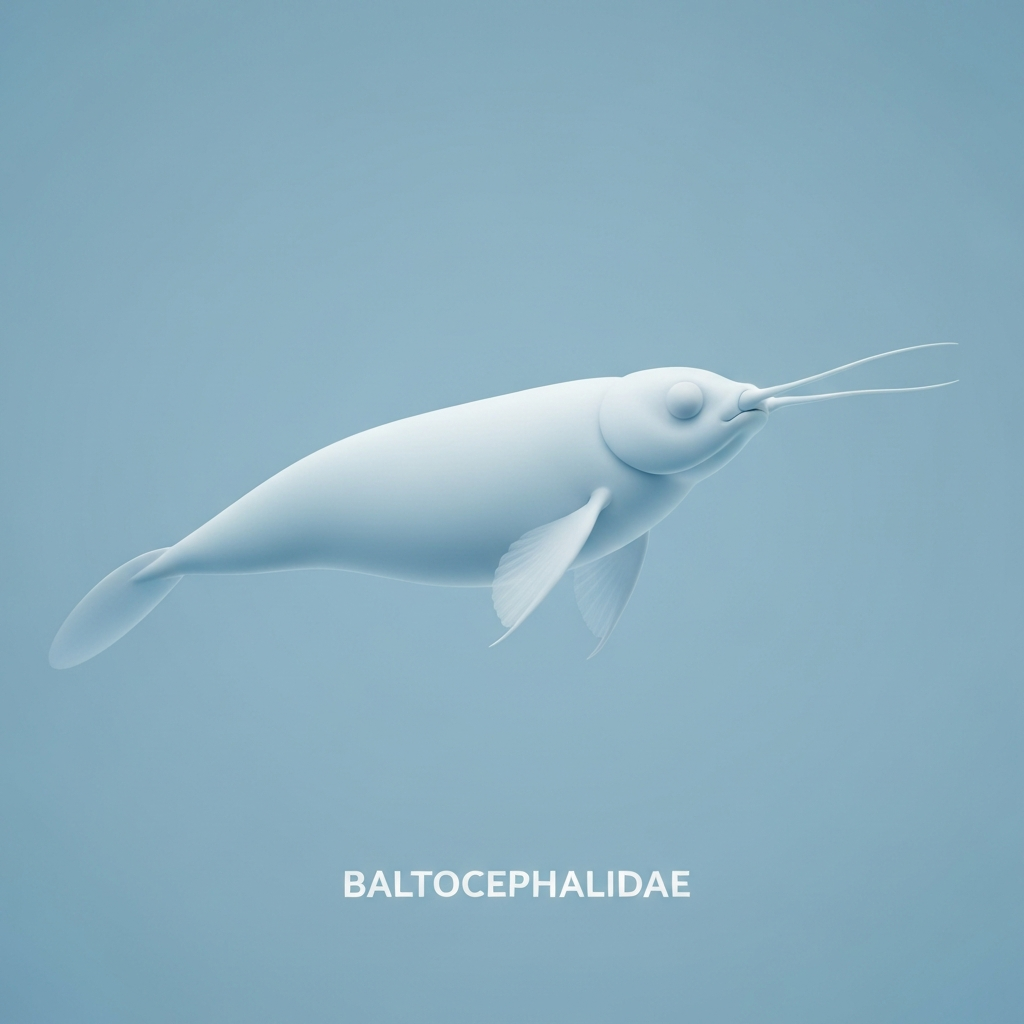
Did You Know?
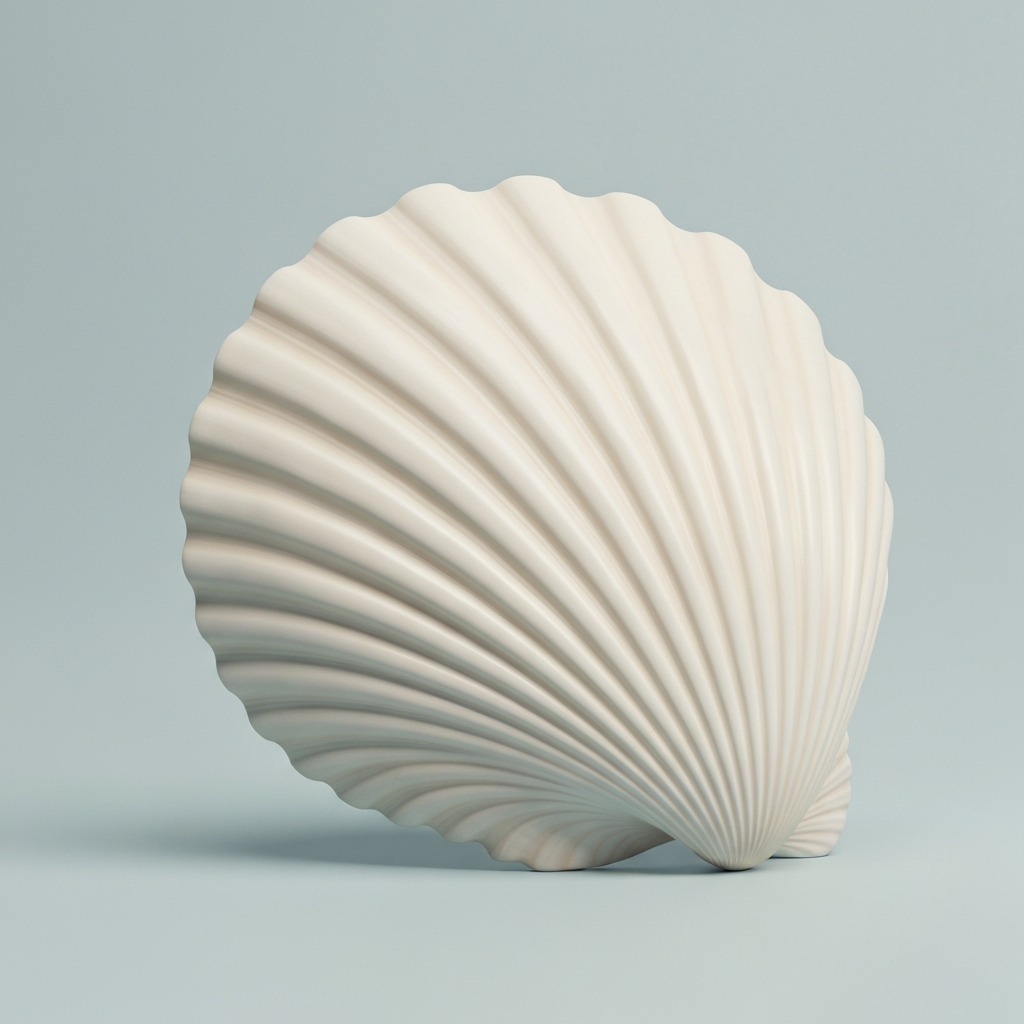
Some shells can be found in rocks!
What They Looked Like
They had long, straight shells.
Where They Lived
They swam in oceans all over.
What baltoceratidae Does
They swam in the sea.
They had shells to protect them.
They ate small sea things.
They lived a long time ago.
They are not here now.
We find their shells in rocks.
More About baltoceratidae
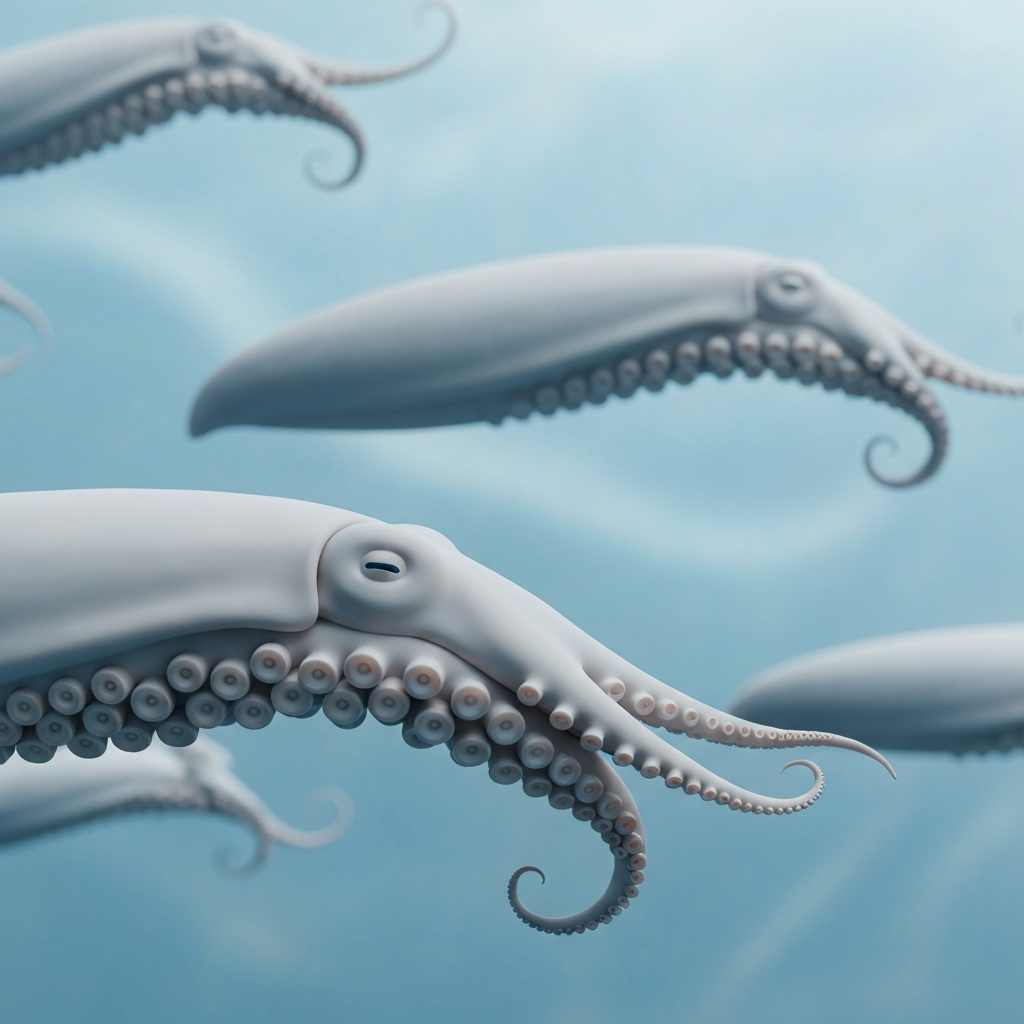
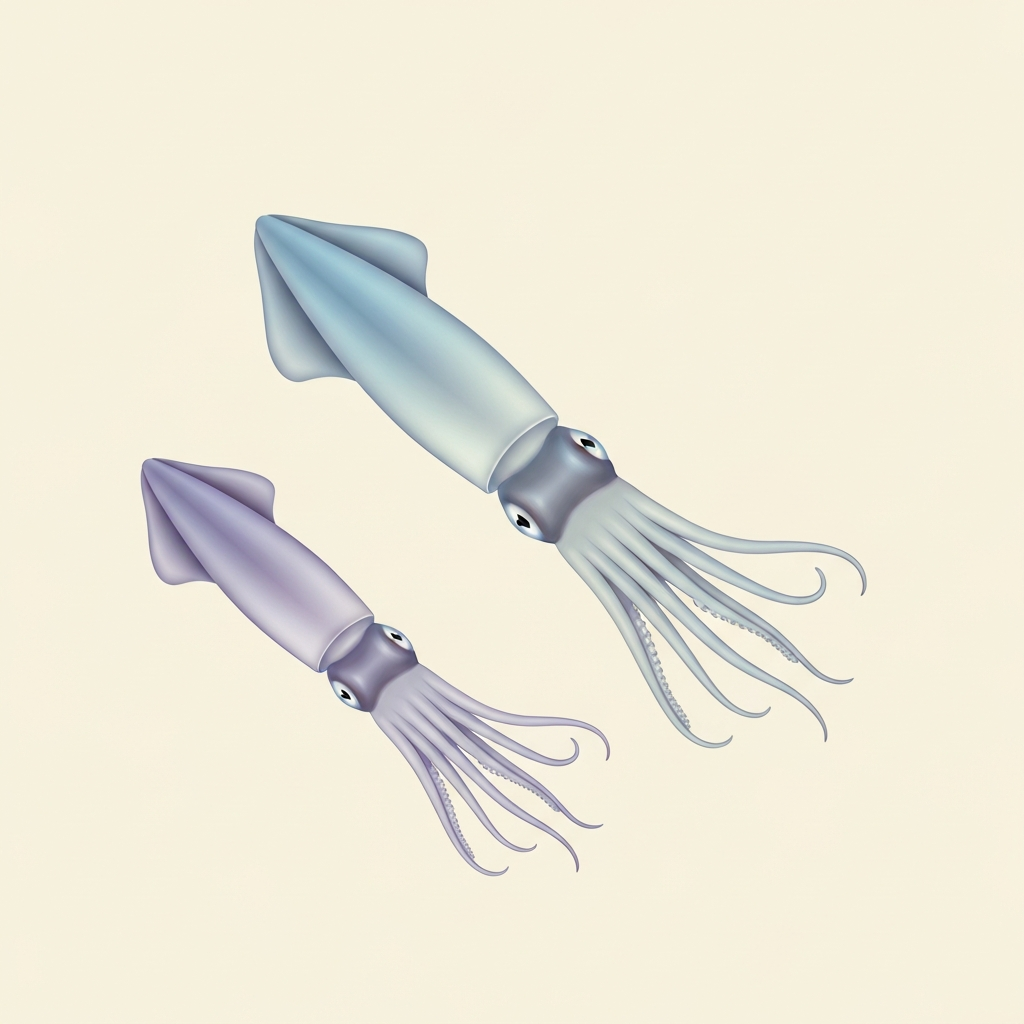
Baltoceratidae lived in the ocean a long time ago. They had shells that helped them swim. They are part of a group called cephalopods. This group also has squids and octopuses.
We learn about them from old rocks. These rocks tell us what the world was like then. They help us know how life has changed.
Even though they are gone, we can still see their shells. Some shells are very old and tell us stories about the past.
How Topics Connect
graph TD
A["Baltoceratidae"] --> B["Extinct Family"]
B --> C["Orthoconic Cephalopods"]
C --> D["Subclass Nautiloidea"]
D --> E["Geographic Range"]
E --> F["Asia"]
E --> G["Australia"]
E --> H["Europe"]
E --> I["North America"]
E --> J["South America"]
A --> K["Ordovician Period"]
K --> L["480–460 mya"]
L --> M["20 Million Years"]
What Do These Words Mean?
Baltoceratidae:A group of extinct sea creatures related to squids and octopuses.
orthoconic:Having a straight shell shape.
cephalopods:A class of marine animals that includes squids, octopuses, and cuttlefish.
subclass:A smaller group within a larger classification.
endemic:Native to a specific place.