Did You Know?
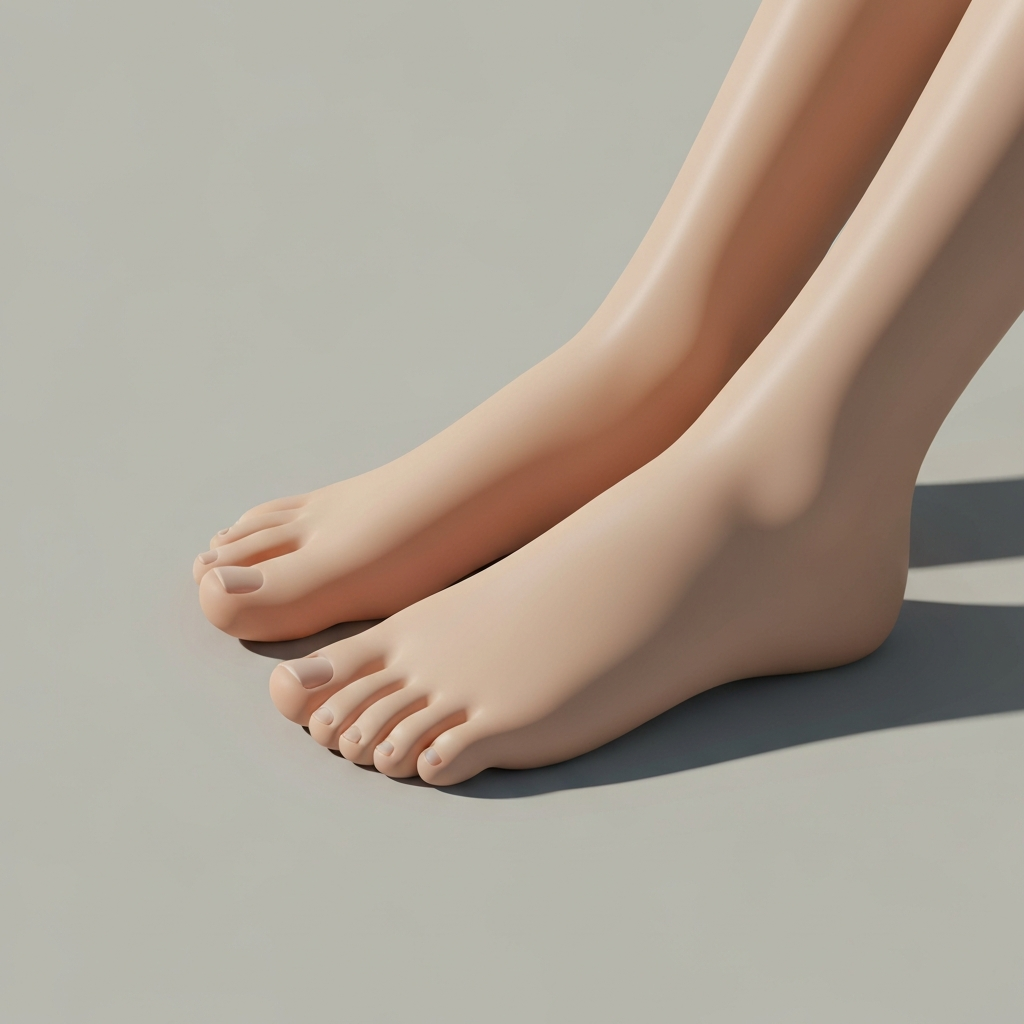
Some Anchitheriinae had three toes on each foot!
Where They Lived
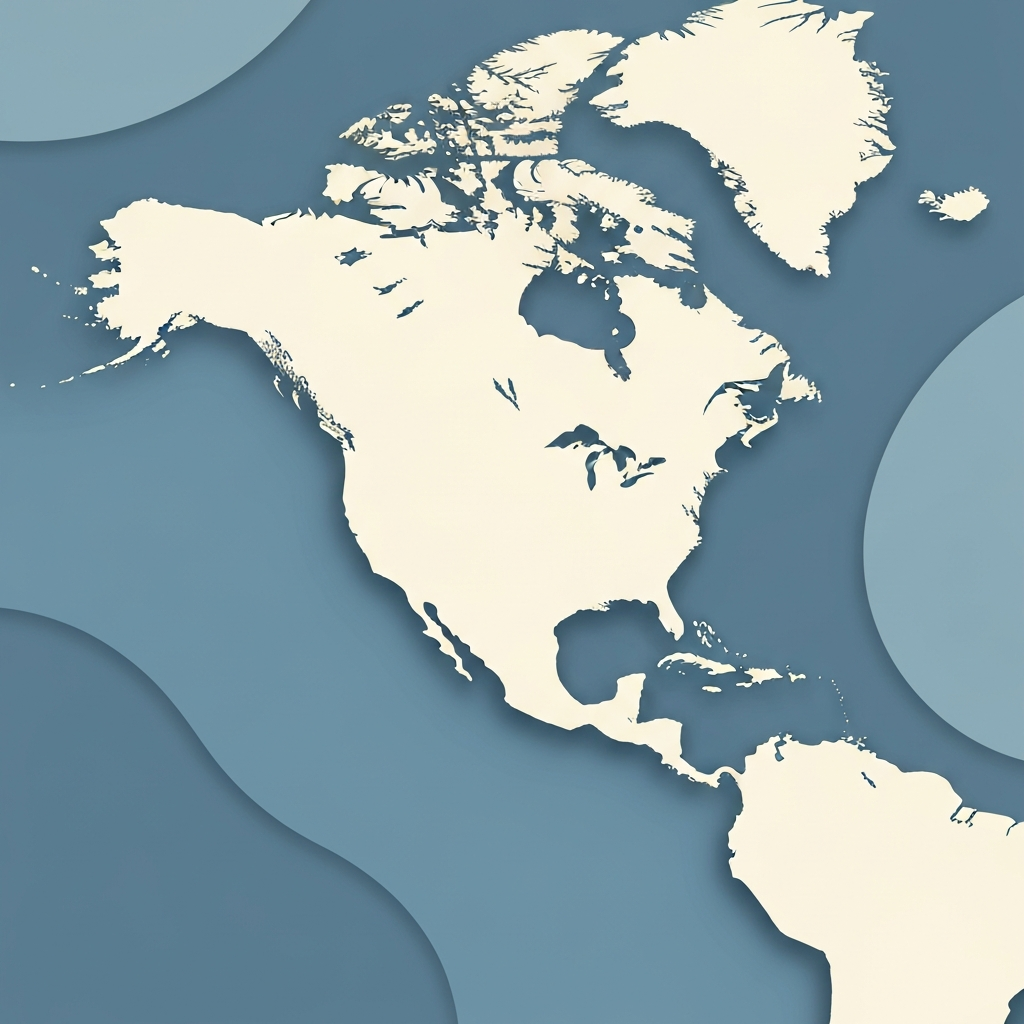
They lived in North America first.
How They Looked
They were small and had long legs.
What Anchitheriinae Did
They ate grass and leaves.
They ran fast to escape from danger.
They lived in groups for safety.
They had many young ones.
They helped spread seeds by eating plants.
They were part of the food chain.
More About Anchitheriinae
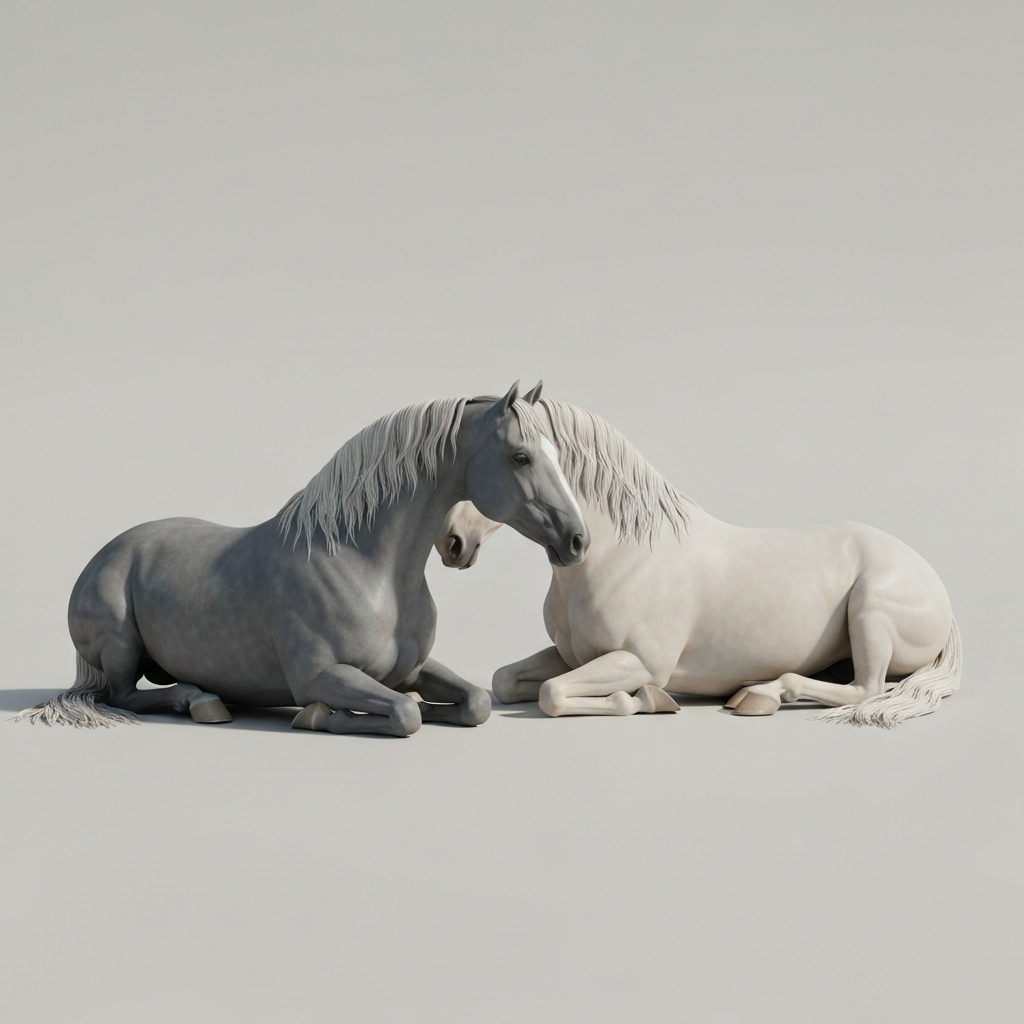
Anchitheriinae lived a long time ago. They were one of the first types of horses. They had a lot of different kinds. Some were small, and some were a bit bigger. They were fun to learn about!
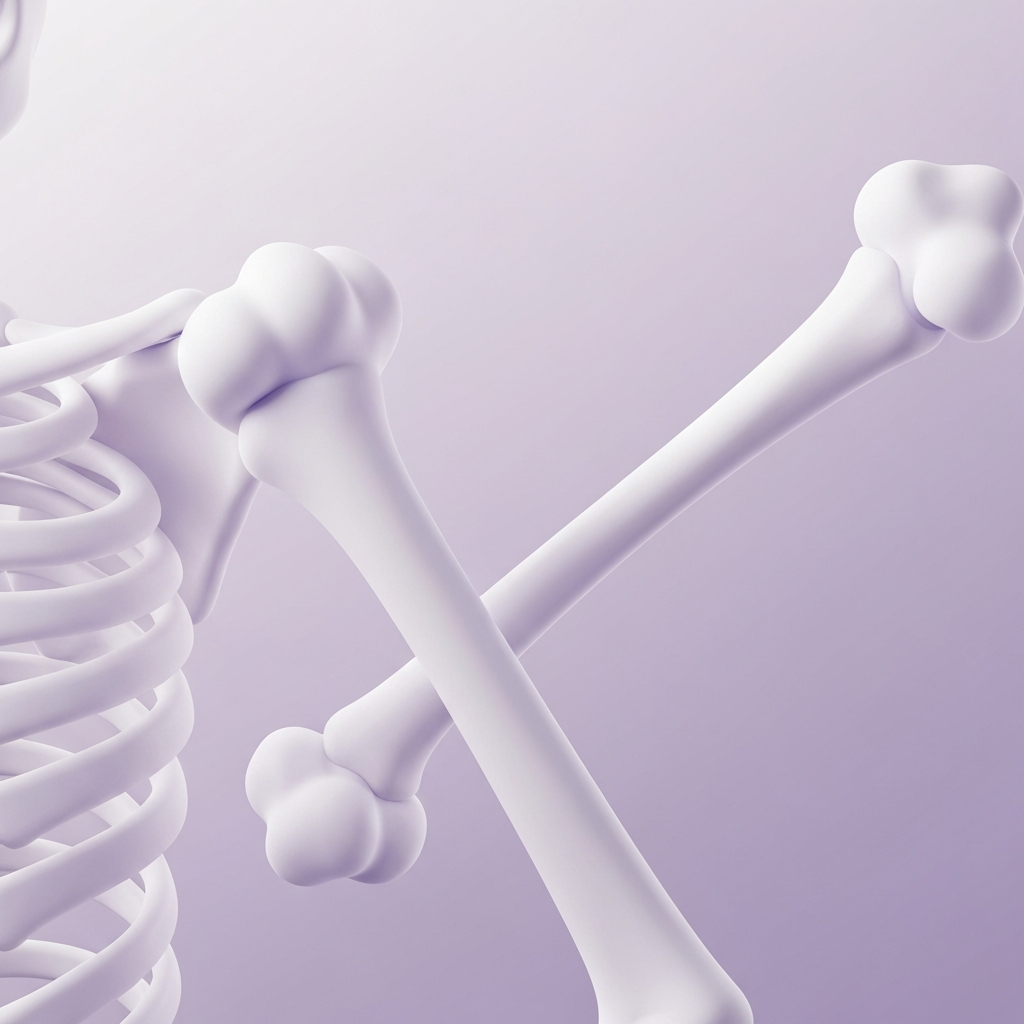
Even though they are gone, we can still see their bones. Scientists study these bones to learn more. This helps us know how horses changed over time.
One day, we might find more about them. There are still many things we do not know. Learning about Anchitheriinae is like a big puzzle!