Did You Know?
Some waves can be very tall, like big waves at the beach!
Big Waves
Big waves have high amplitude. They crash hard!
Small Waves
Small waves have low amplitude. They are soft.
What amplitude Does
It shows how strong a sound is.
It helps us know wave height.
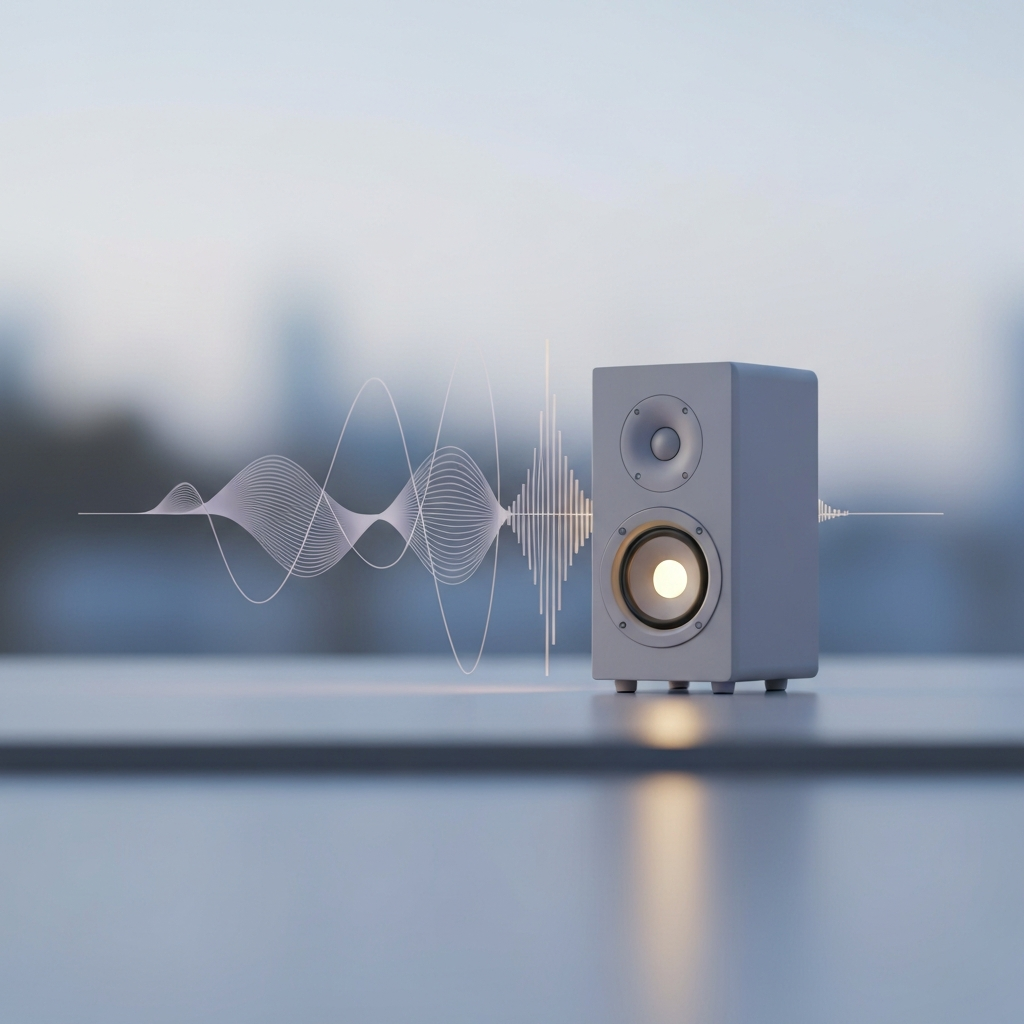
Big amplitude means loud sounds.
Small amplitude means soft sounds.
It helps us with music and noise.
We see it in waves and sounds.
More About amplitude
Amplitude is a way to see how big waves are. It helps us know how loud sounds can be. When you clap, the sound has amplitude. If you clap hard, it is loud. If you clap soft, it is quiet.
We hear sounds every day. Amplitude helps us enjoy music and fun sounds. It makes some sounds big and some sounds small.
In the future, we can use amplitude to make better music and sounds. It helps us learn about waves in nature, too!