Did You Know?
Some words are the same in many languages!
How It Works
We take a word and find its match.
Why It Matters
It helps us make new friends!
What translations Does
It helps us read books in other languages.
It lets us watch shows from other places.
It helps us learn about new cultures.
It makes travel more fun and easy.
It helps us share our thoughts with others.
It can make new friends from far away.
More About translations
Long ago, people spoke many languages. They wanted to talk to each other. So, they made translations. This helped them share stories and ideas. Now, we have many tools to help us translate.
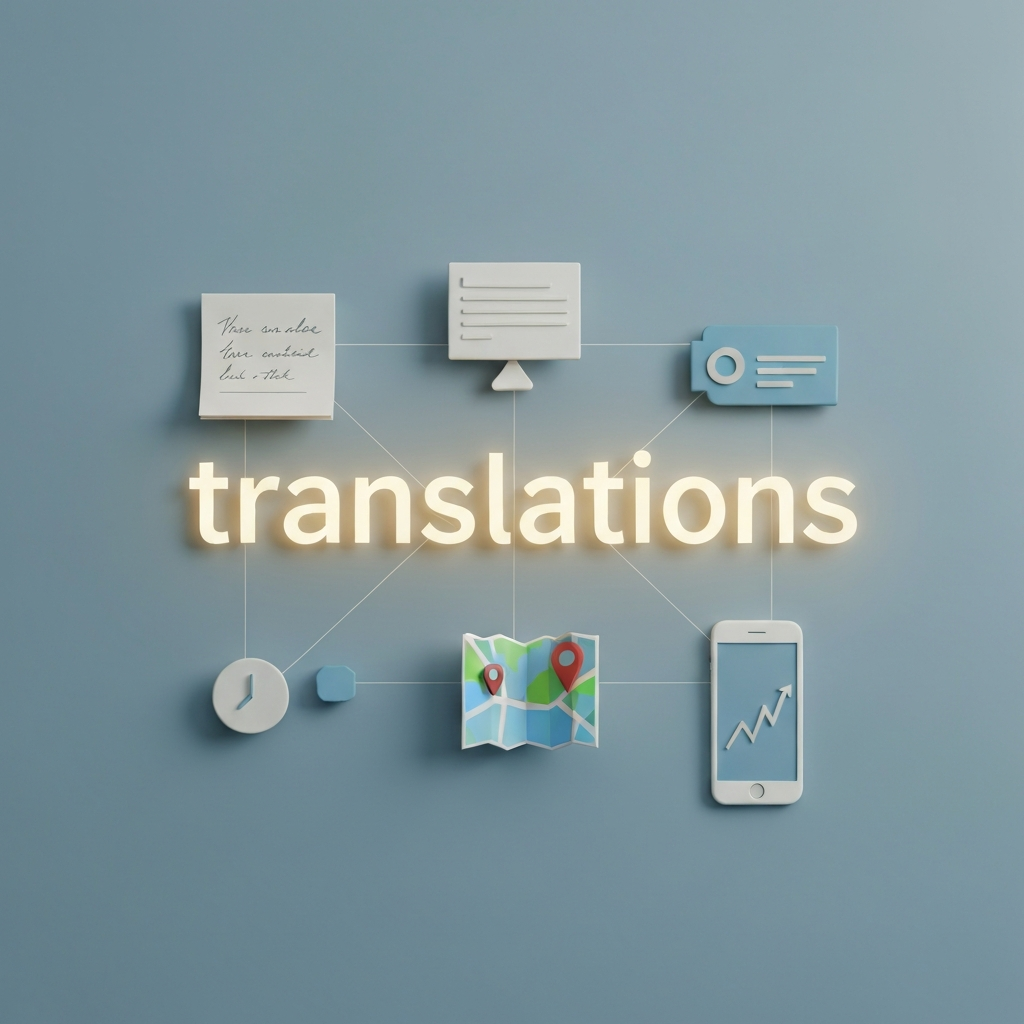
Translations are all around us. We see them in books, on signs, and in games. They help us learn new things. When we travel, we can read maps in our own language.
In the future, we might have cool tools. These tools could help us talk in real-time. This means we could speak and hear each other right away, even if we use different languages!