Did You Know?
Some animals can heal without scars!
How Scars Form
When you get a cut, your skin works hard to heal. It makes new skin to cover the hurt.
Why Scars Feel Different
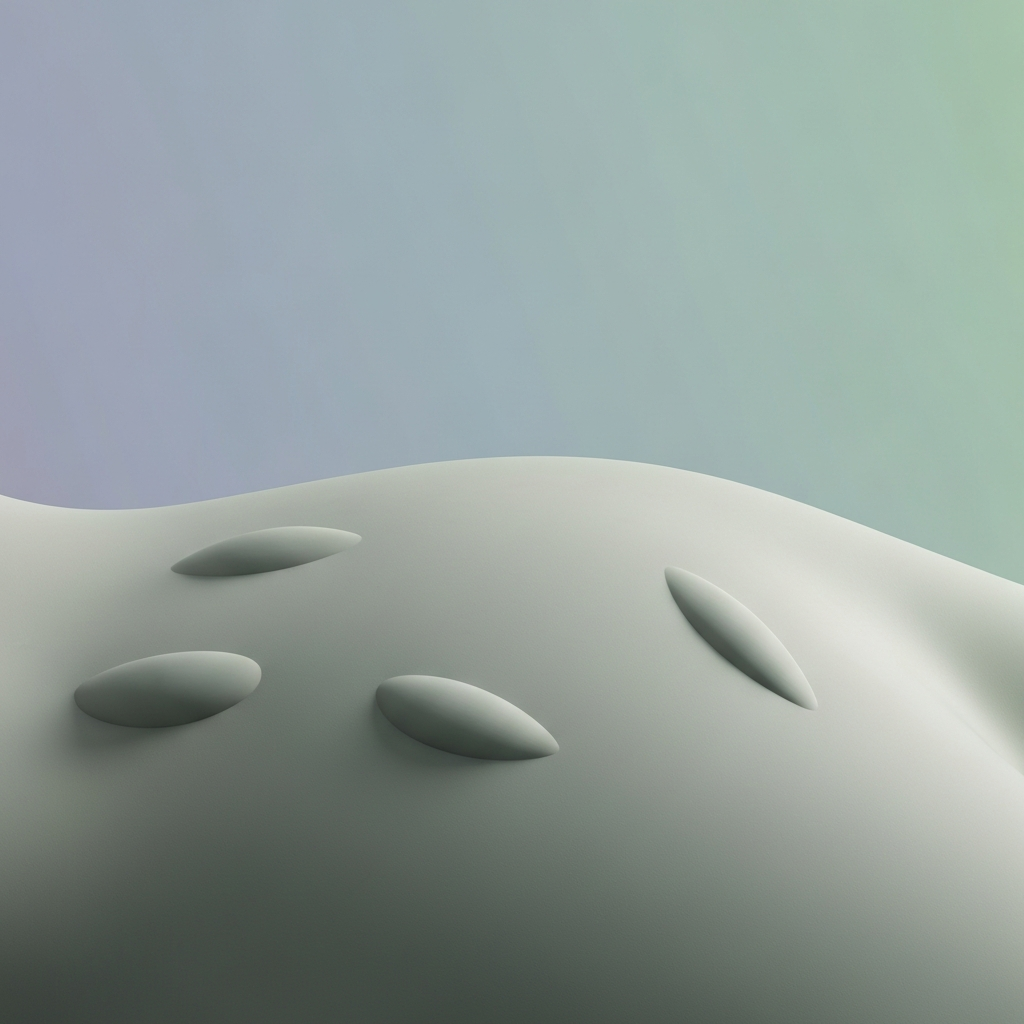
Scars can feel hard or smooth. They may not have hair or sweat like normal skin.
What scars Does
Scars show where you got hurt.
They can remind you of a story.
Some scars fade over time.
Other scars stay for a long time.
Scars can be big or small.
They are part of healing.
More About scars
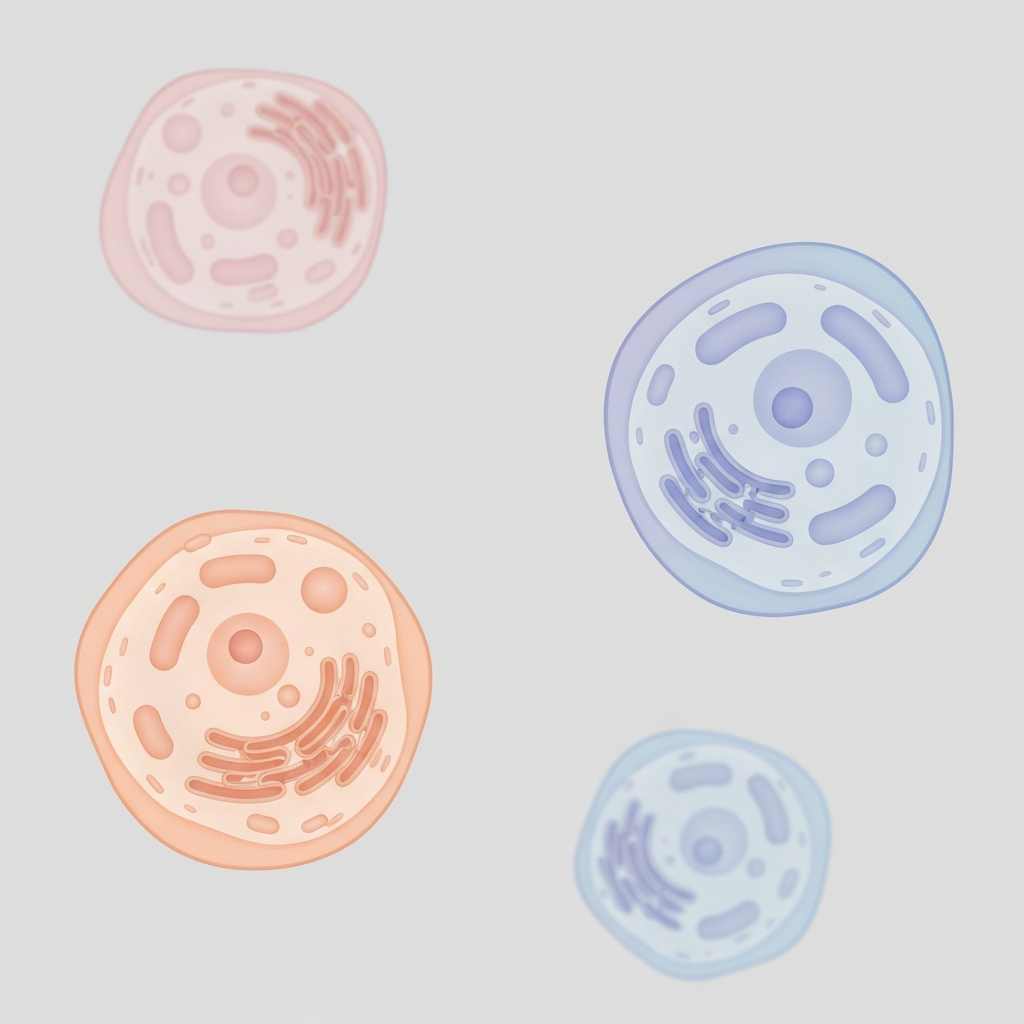
Scars can happen to anyone. You can get them from cuts, scrapes, or burns. When you heal, your skin makes new cells. This can leave a mark called a scar.
Scars can change how your skin looks. Some people like their scars. They tell a story about what happened. Others may want to hide them.
In the future, doctors may find new ways to help scars heal better. They want to help people feel good about their skin. Scars are a part of life!