Did You Know?
Some exoplanets might have water!
How We Find Them
We use big telescopes to see them.
Why They Matter
They help us learn about space and life.
What exoplanets Does
They show us new worlds.
They help us find life.
They teach us about stars.
They can be hot or cold.
Some may have moons.
They make us think about space.
More About exoplanets
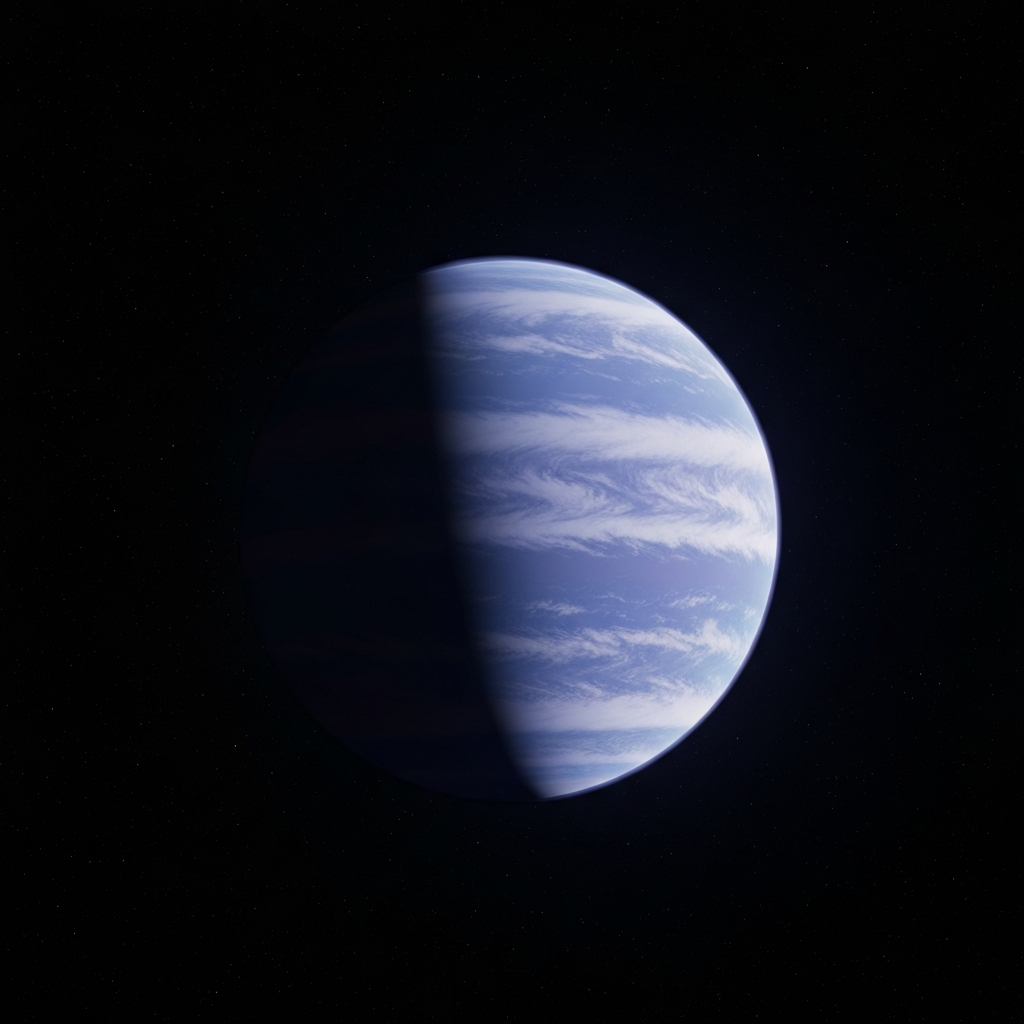
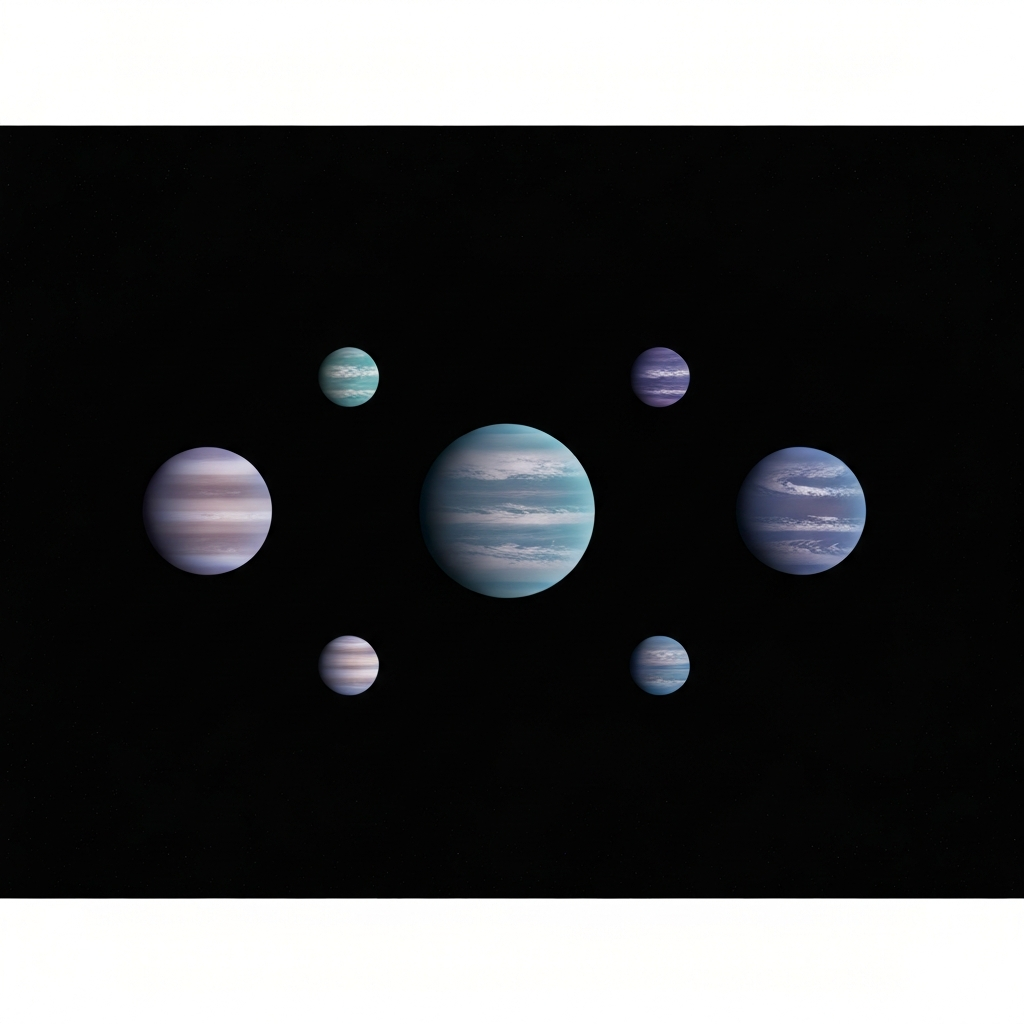
Exoplanets are far from us. They go around stars we see at night. Some are like Earth, and some are not. We have found many exoplanets since 1992.
Learning about exoplanets helps us. It shows us what space is like. We can think about life on other planets.
In the future, we may find more exoplanets. Some may have air, water, or life. Space is full of surprises!
How Topics Connect
graph TD
A["Exoplanets Overview"] --> B["First Detection (1992)"]
B --> C["Detection Around Main-Sequence Star (1995)"]
A --> D["First Possible Evidence (1917)"]
C --> E["Confirmed Planet (2003)"]
A --> F["Total Confirmed Exoplanets (6,150)"]
F --> G["Total Planetary Systems (4,575)"]
G --> H["Systems with Multiple Planets (1,043)"]
What Do These Words Mean?
exoplanet:A planet that is outside our Solar System.
pulsar:A type of star that sends out regular pulses of radio waves.
main-sequence star:A star that is in the stable phase of its life, like our Sun.
evidence:Information or signs that show something is true.
planetary systems:Groups of planets that orbit around a star.