Did You Know?
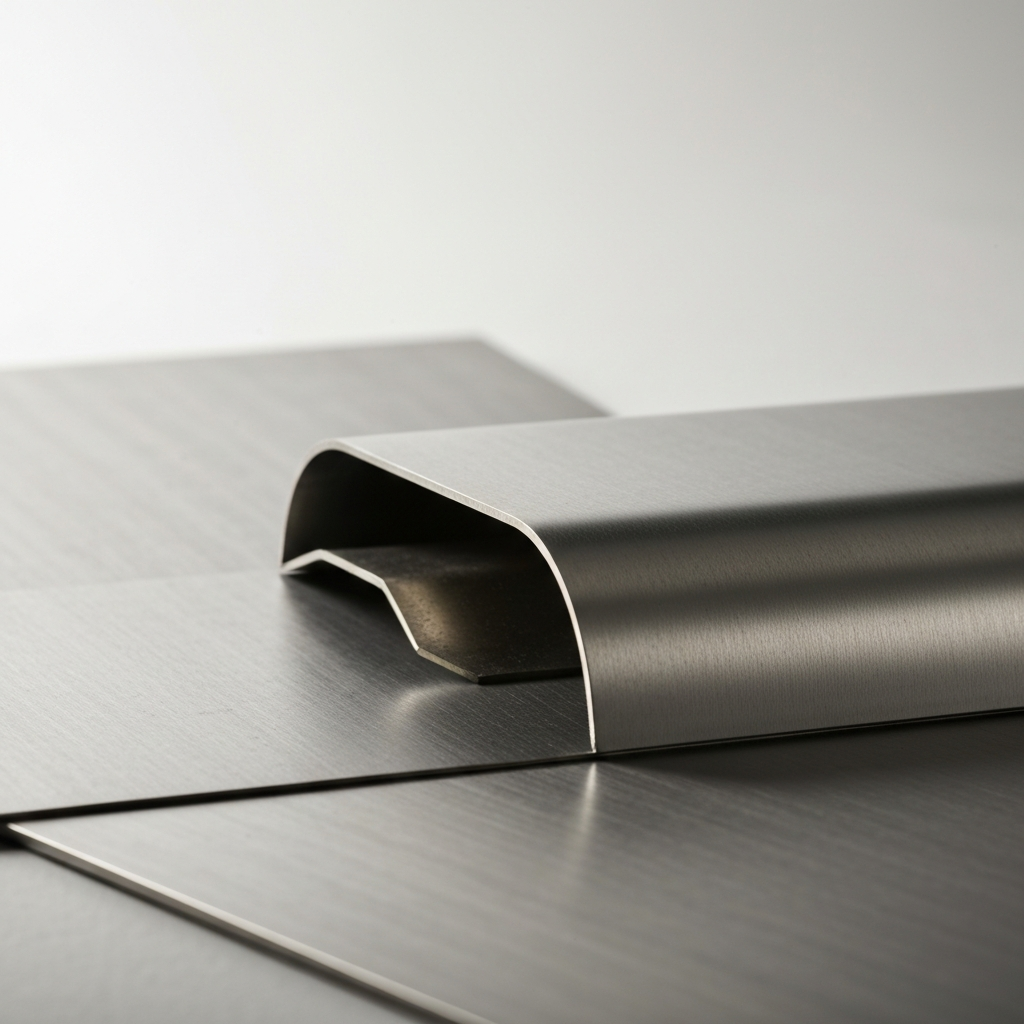
Some metals can bend a lot before they break!
What are Grains?
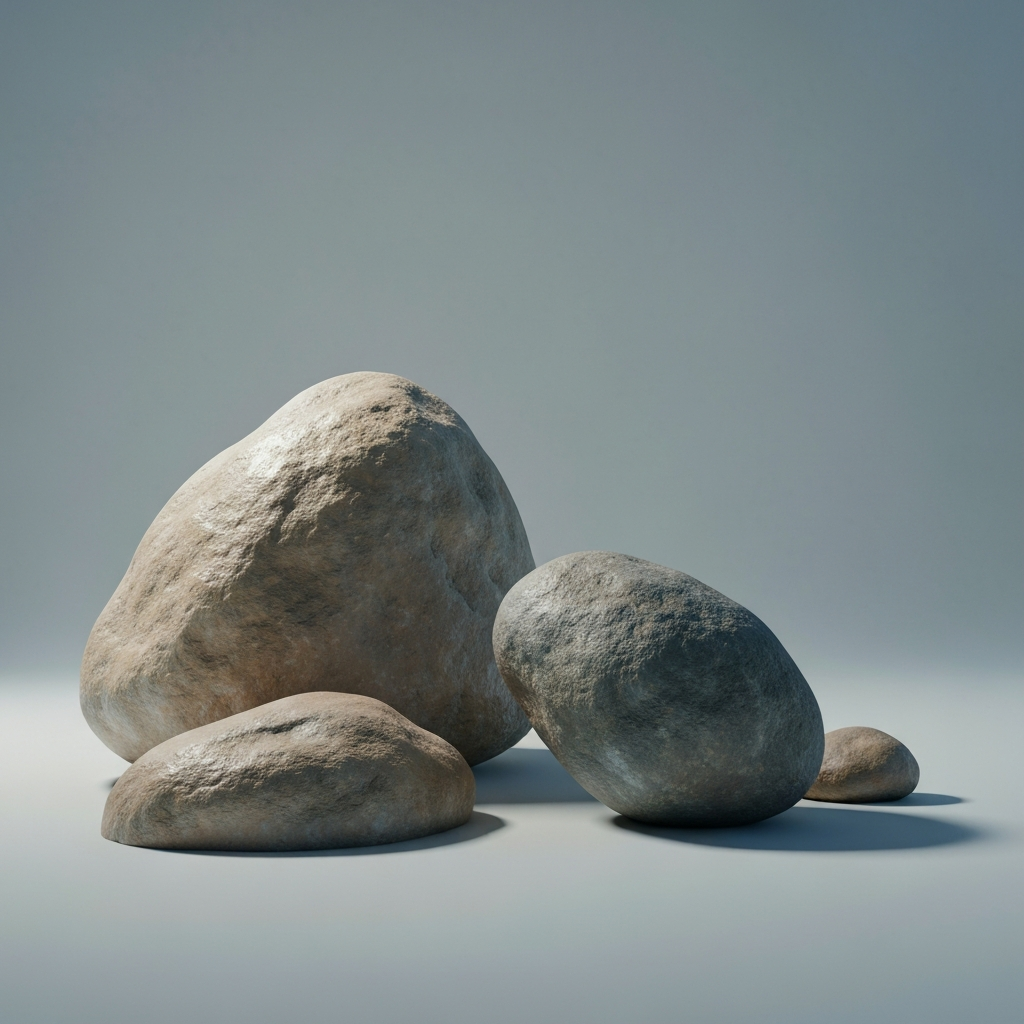
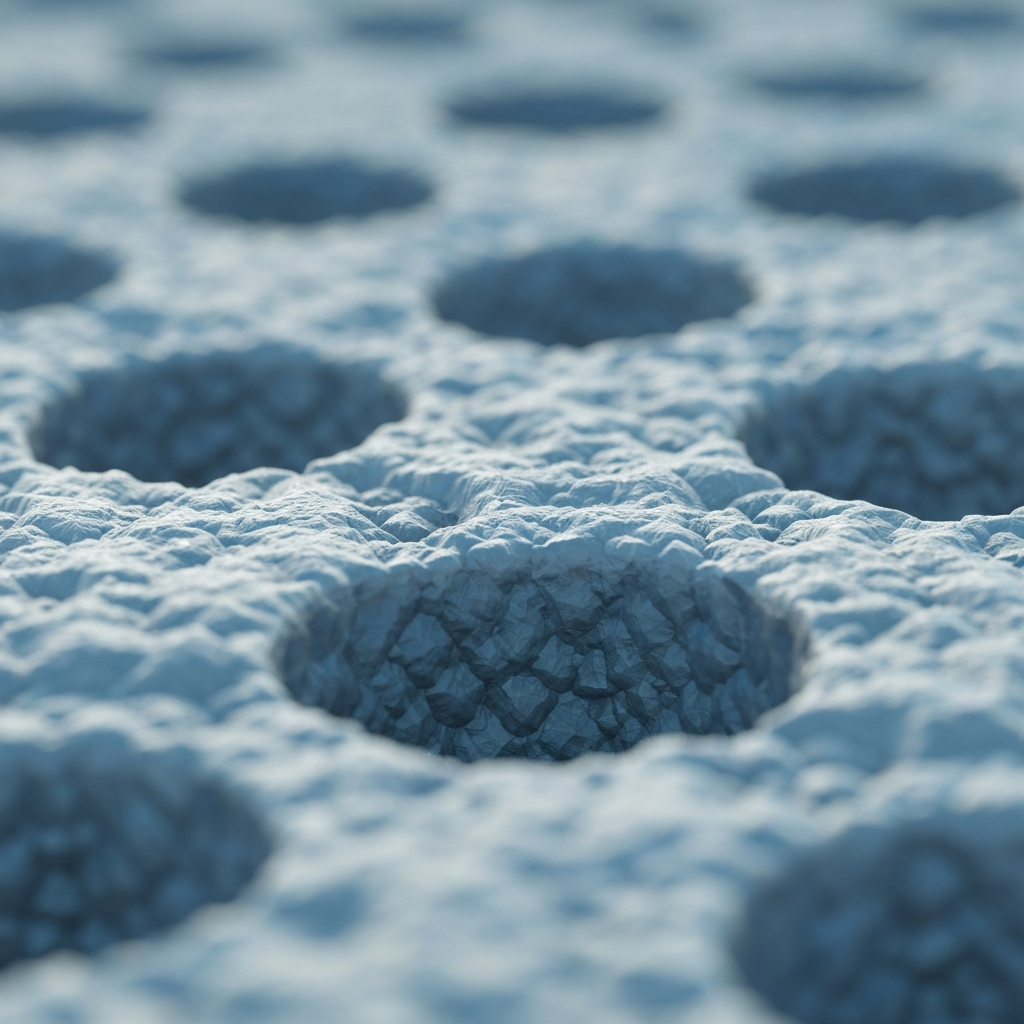
Grains are tiny parts that make up rocks and metals.
Why Change is Good?
New grains help things bend more and not break.
What dynamic recrystallization Does
It makes new grains when things are hot.
New grains help rocks and metals stay strong.
It helps things bend more without breaking.
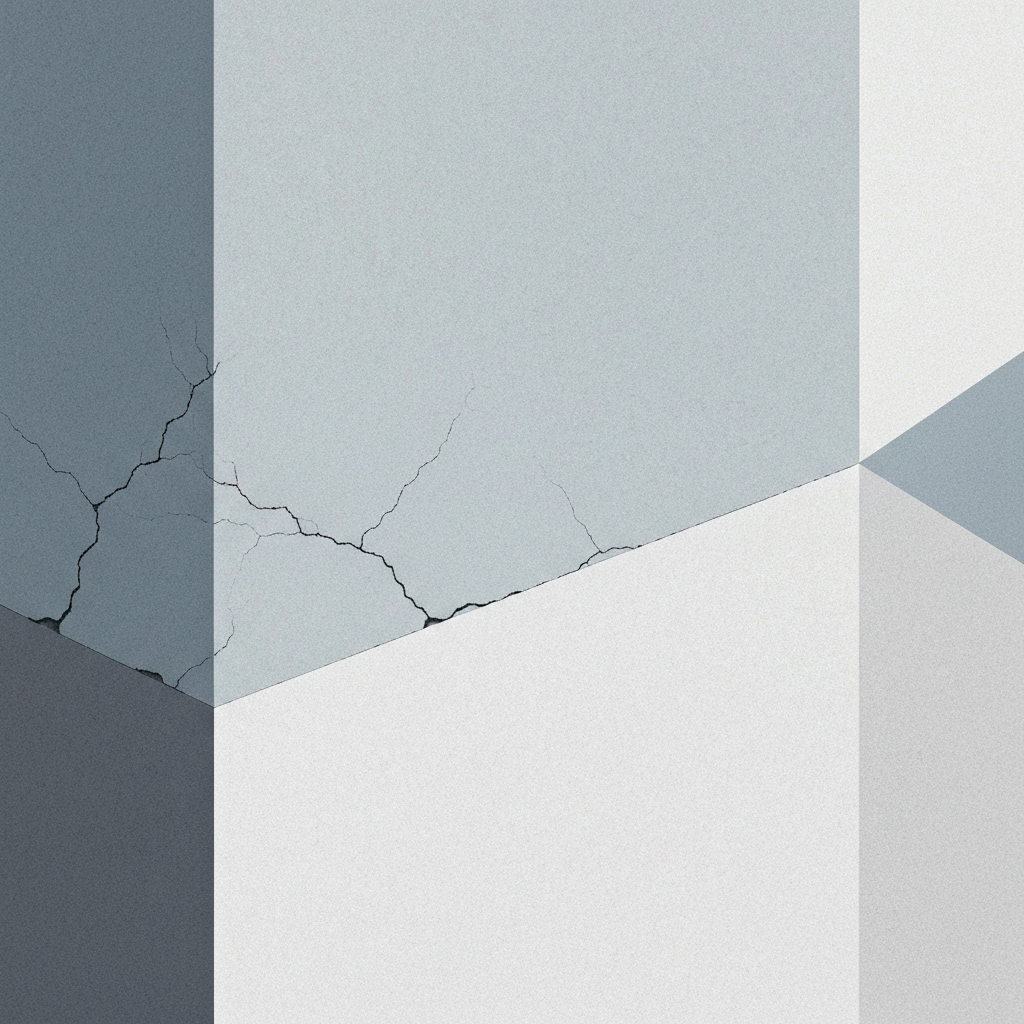
New grains can stop cracks from growing.
It helps make better tools and cars.
It is used in many things we see every day.
More About dynamic recrystallization
Long ago, people found out that heat can change metals. They saw that when metals got hot and were pushed, they got new grains. This made the metals better for tools. Now, we use this in many ways.
Dynamic recrystallization helps us in our daily lives. It makes cars, tools, and even some toys. When we use strong metals, they last longer and work better.
In the future, we may find new ways to use this. Scientists are always looking for new things. This can help us make even better stuff!