Did You Know?
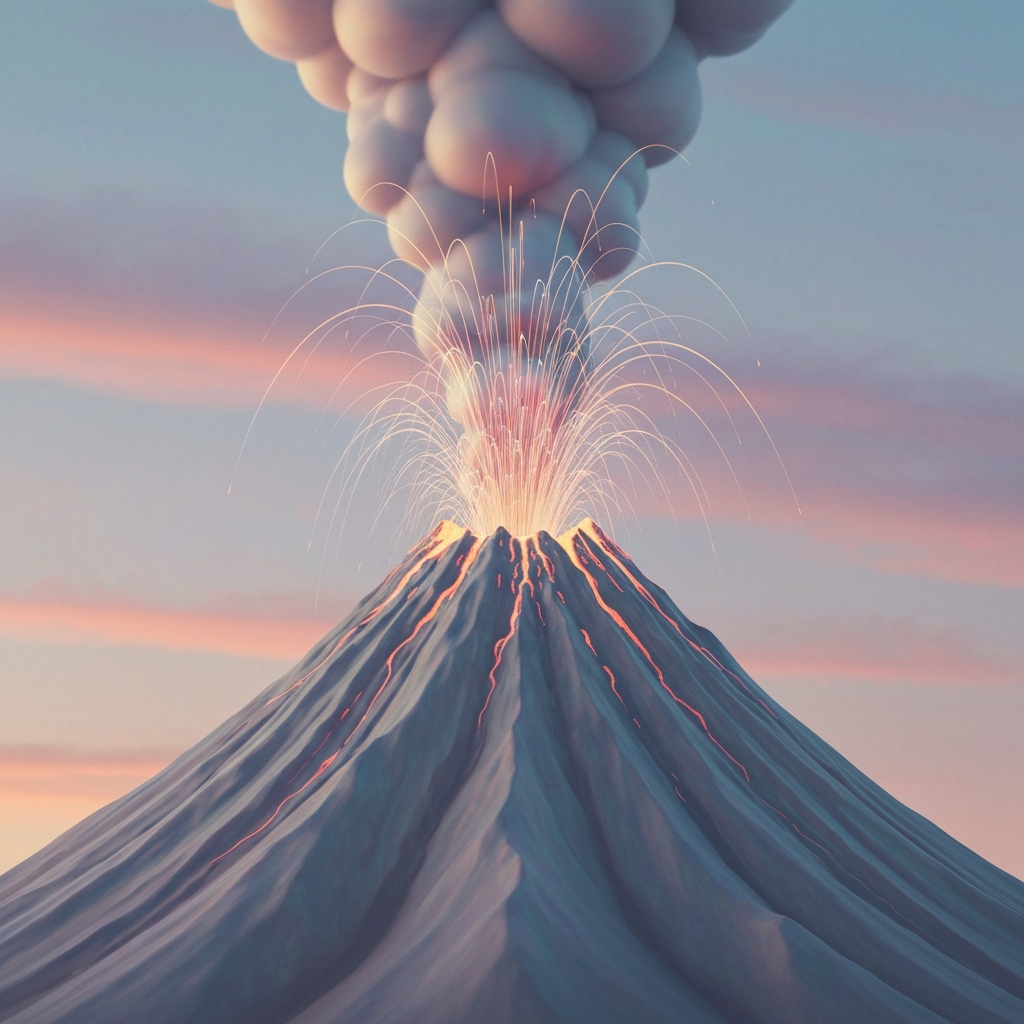
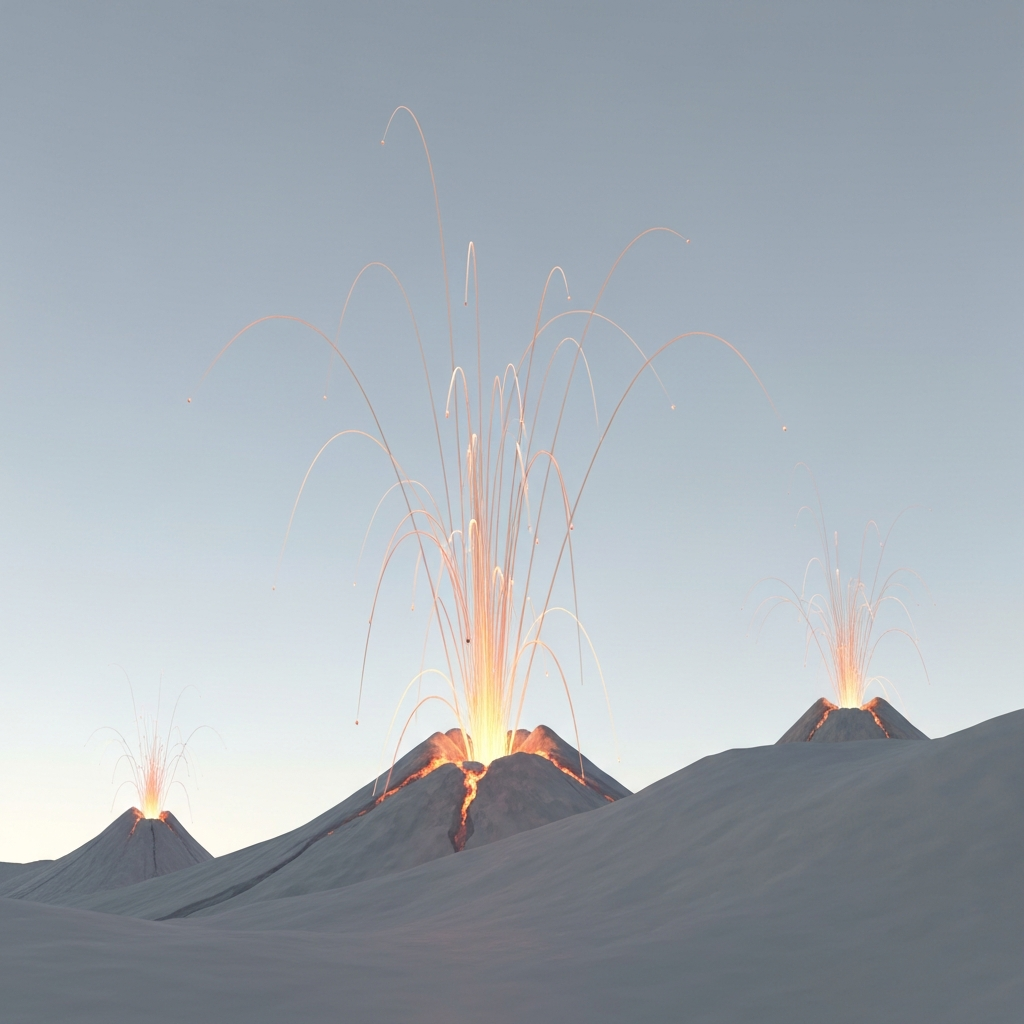
Some volcanoes can spit out tons of rocks!
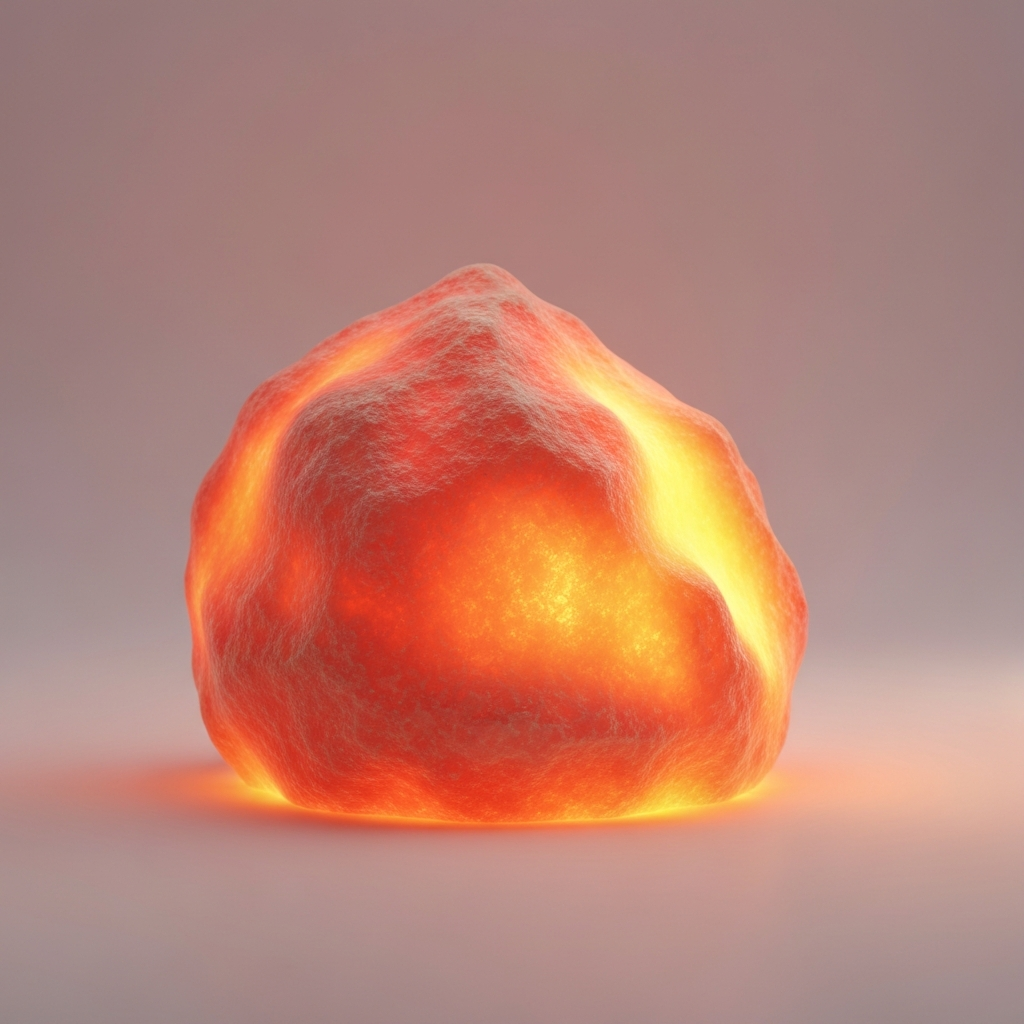
What is Magma?
Magma is hot rock that is melted.
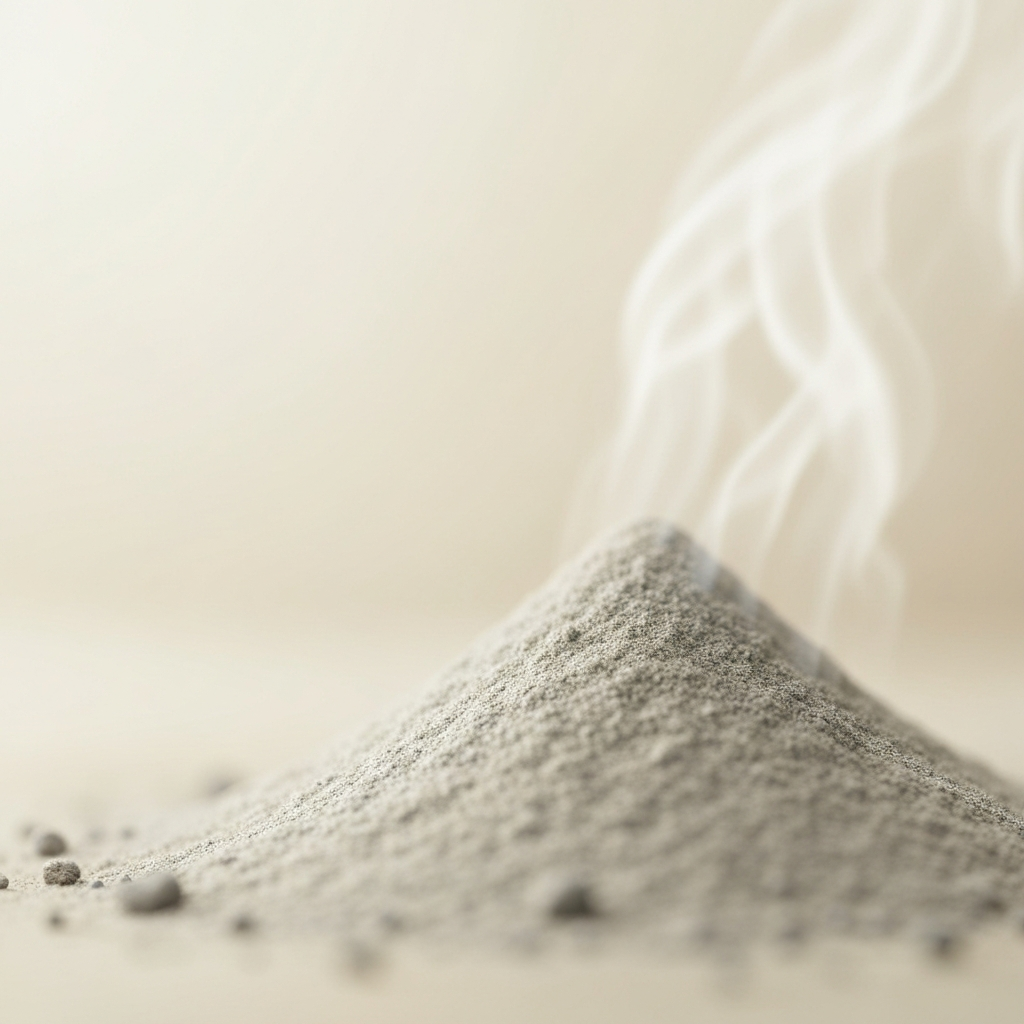
What is Ash?
Ash is tiny bits of rock from a volcano.
What dense-rock equivalent Does
It helps us count rocks from eruptions.
It shows how big a volcano is.
It helps us learn about past eruptions.
It uses a measure called cubic kilometers.
It helps keep people safe from eruptions.
It shows how much lava comes out.
More About dense-rock equivalent
Long ago, people saw big eruptions. They wanted to know how much stuff came out. So, they made a way to count it. This way is called dense-rock equivalent.
Knowing about eruptions helps us today. It keeps us safe from big rocks and ash. We can plan better if we know when a volcano might erupt.
In the future, we will learn more. We can use new tools to count rocks. This will help us understand volcanoes even better!