.png)
Did You Know?
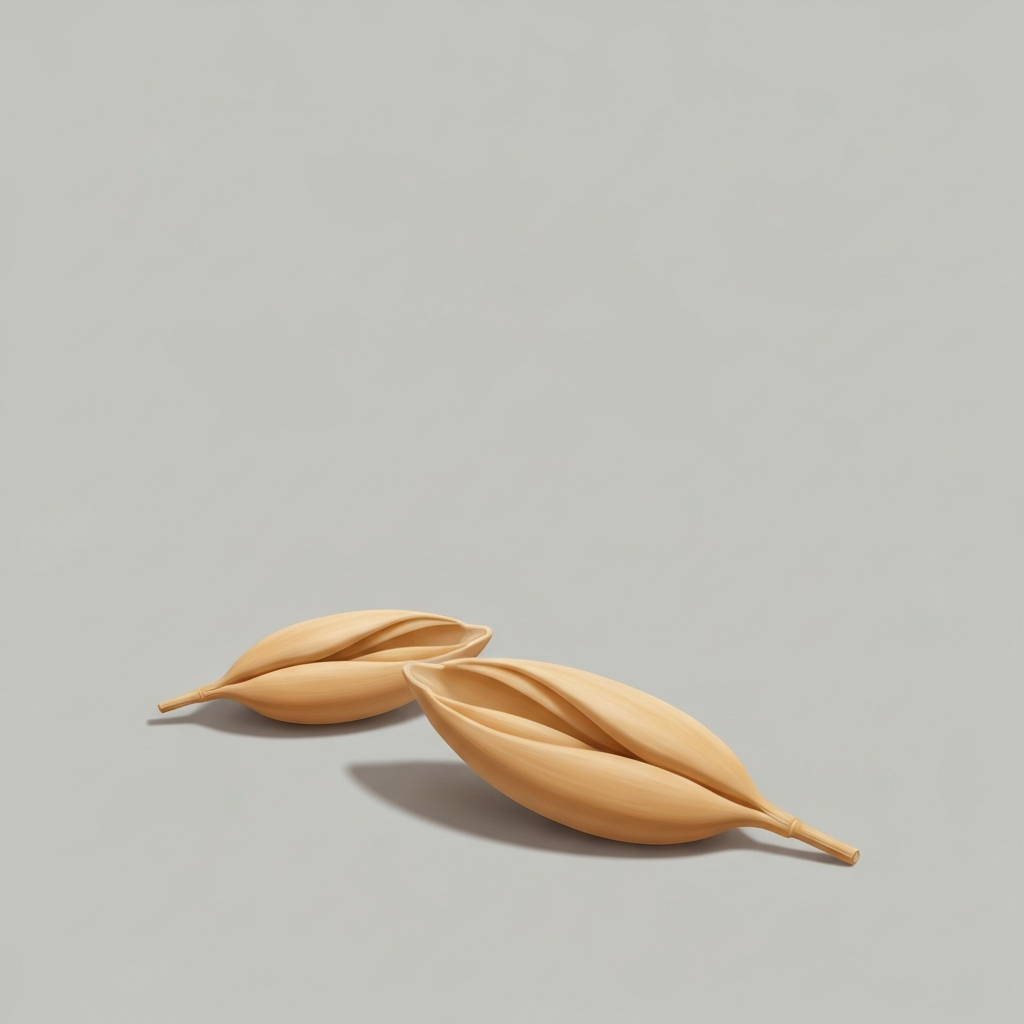
One dan can hold a lot of rice!
Where It Comes From
The dan started in China long ago.
How It Is Used
People use dan to buy and sell grains.
What dan (volume) Does
It helps us know how much rice we have.
It is used in many Asian countries.
It makes buying grains easy.
It helps farmers sell their crops.
It shows how much food we need.
It helps keep track of food supply.
More About dan (volume)
The dan is old and has a long past. It started in China and spread to Japan and Korea. Each place has its own size for dan. This helps people know how much food they have.
In our lives, the dan helps us buy food. When we go to the store, we can see how much rice we can buy. It helps farmers sell their grains too.
In the future, we may use dan more. It helps us keep track of food. Knowing how much food we have is very important!
How Topics Connect
graph TD
A["Unit of Volume"] --> B["Originated in China"]
A --> C["Spread to East Asia"]
B --> D["Called 'dan' in China"]
B --> E["Called 'koku' in Japan"]
B --> F["Called 'seok' in Korea"]
D --> G["1 dan = 10 dous"]
D --> H["1 dan = 100 shengs"]
D --> I["100 litres in China"]
E --> J["180.39 litres in Japan"]
F --> K["180 litres in Korea"]
What Do These Words Mean?
dan:A unit of measurement for volume, especially for grains.
koku:A Japanese unit of volume, mainly for rice.
seok:A Korean unit of volume used for measuring grains.
dous:A smaller unit that divides a dan into ten parts.
shengs:An even smaller unit that divides a dan into one hundred parts.