Did You Know?
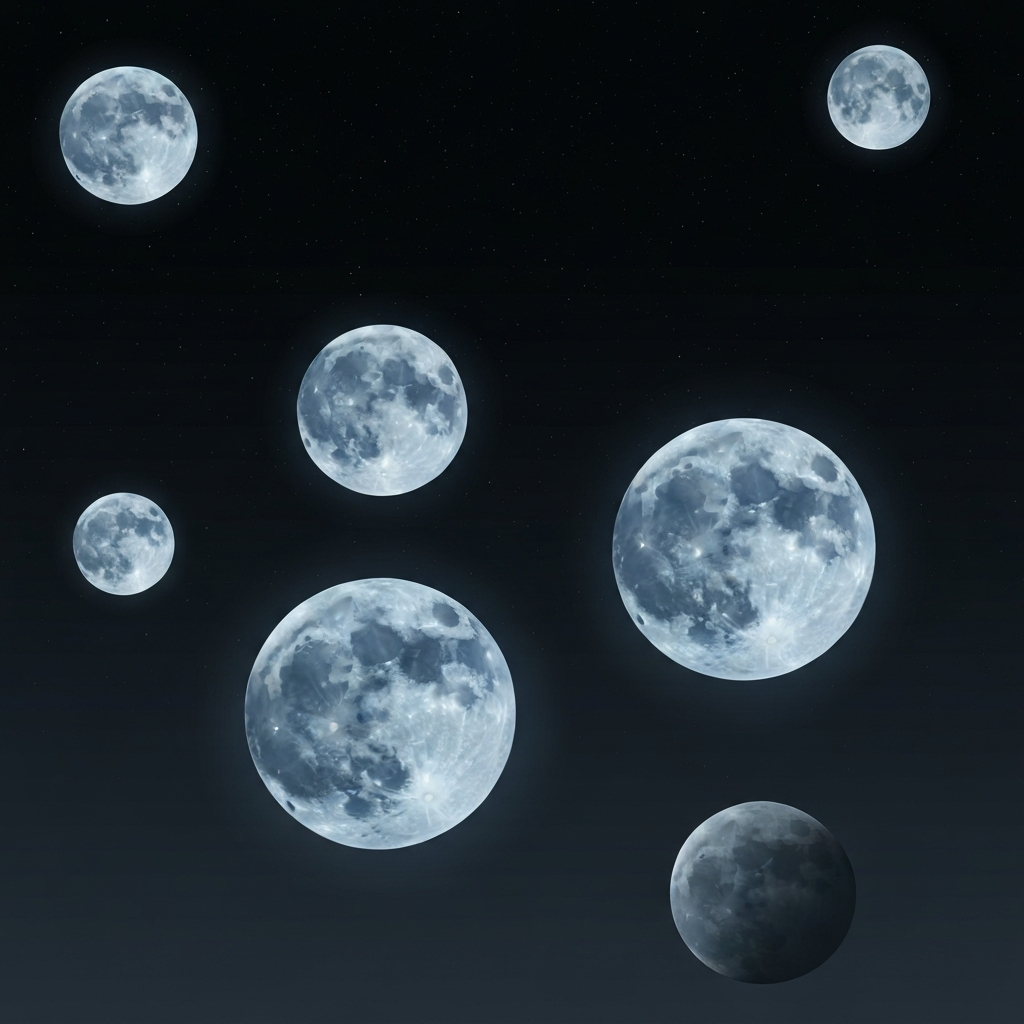
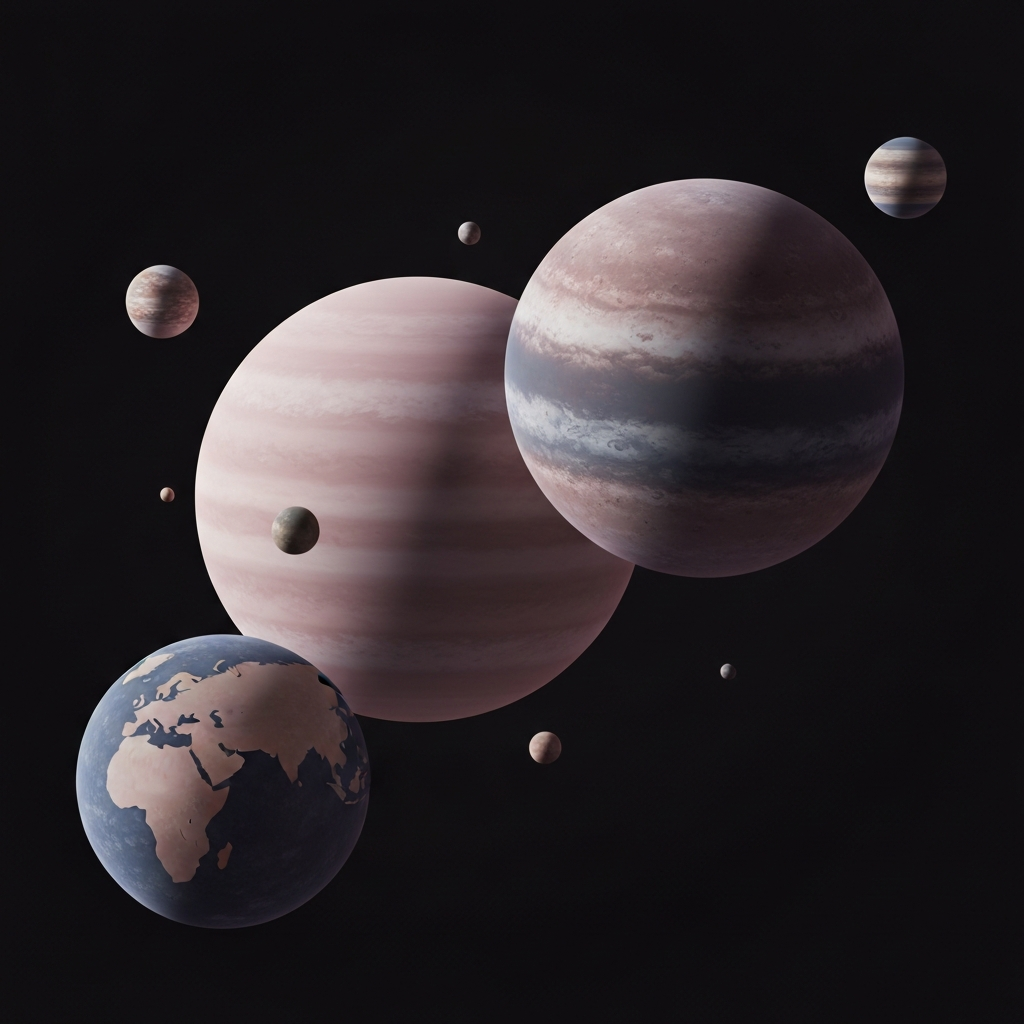
There are more than 100 moons in space!
What We Study
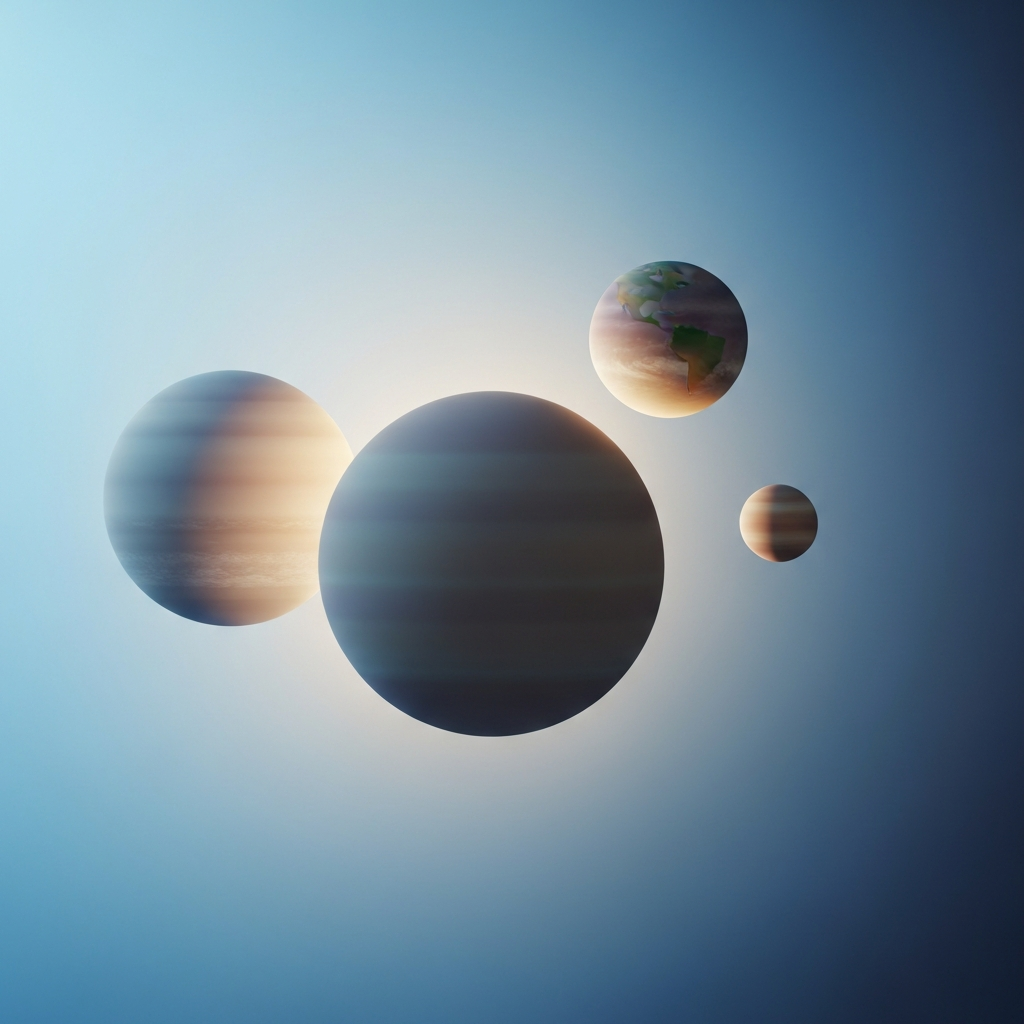
We look at rocks and air on planets.
Why It Matters
It helps us learn about Earth too.
What comparative planetary science Does
It shows how planets are made.
It tells us about space rocks.
It helps us find water on other worlds.
It looks at air and weather on planets.
It helps us think about life in space.
It helps us learn about our own planet.
More About comparative planetary science
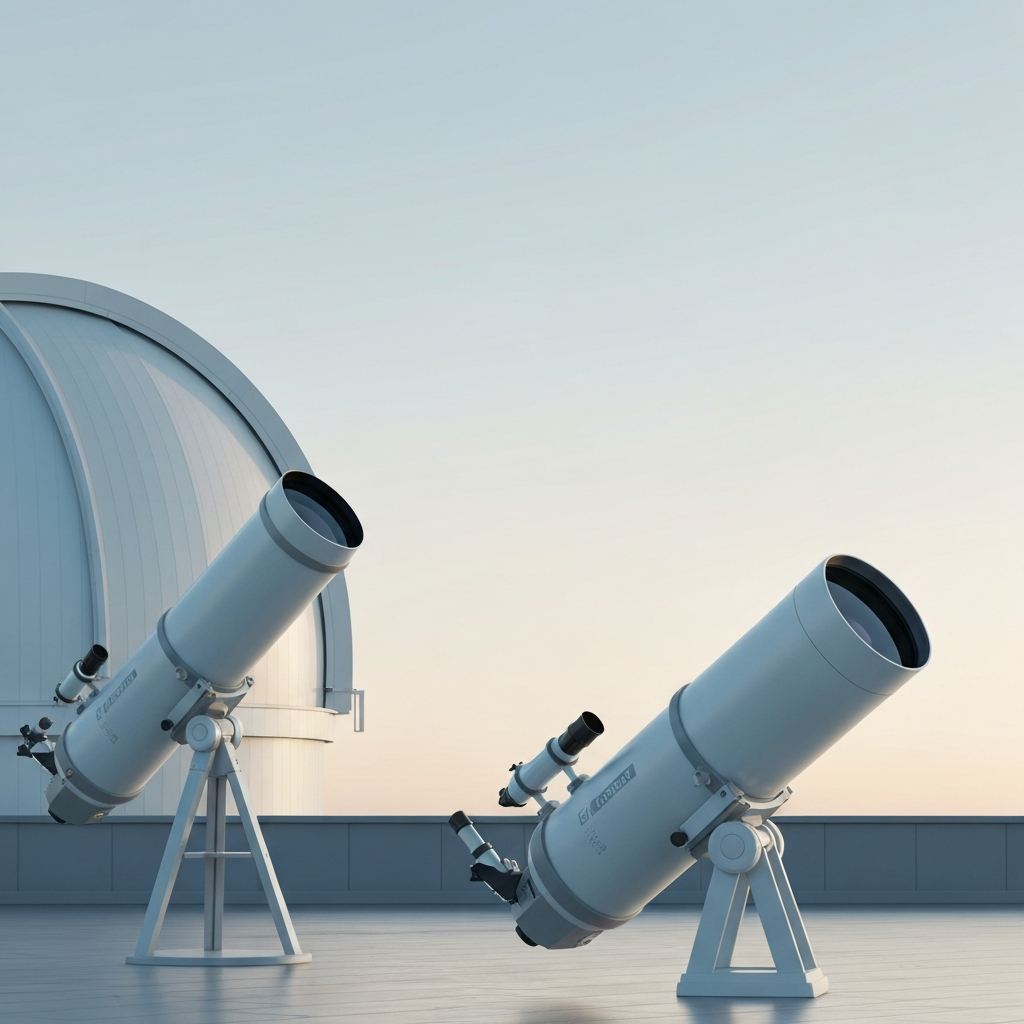
Long ago, we did not know much about space. Now, we have big telescopes and robots. They help us see far away planets. We can learn a lot from them.
This science helps us in our lives. It shows us how Earth works. It helps us keep our planet safe and clean.
In the future, we may find life on other planets. That would be very cool! We can dream about what we might find.
How Topics Connect
graph TD
A["Comparative Planetary Science"] --> B["Natural Processes"]
A --> C["Planetary Systems"]
B --> D["Geology"]
B --> E["Hydrology"]
B --> F["Atmospheric Physics"]
C --> G["Impact Cratering"]
C --> H["Space Weathering"]
What Do These Words Mean?
comparative planetary science:The study of how different planets and moons work by comparing them.
geology:The study of the Earth's structure and the rocks and materials it is made of.
hydrology:The study of water and how it moves on Earth and other planets.
atmospheric physics:The study of the physical properties and processes of the atmosphere.
astrobiology:The study of life in the universe, including the possibility of life on other planets.