Did You Know?
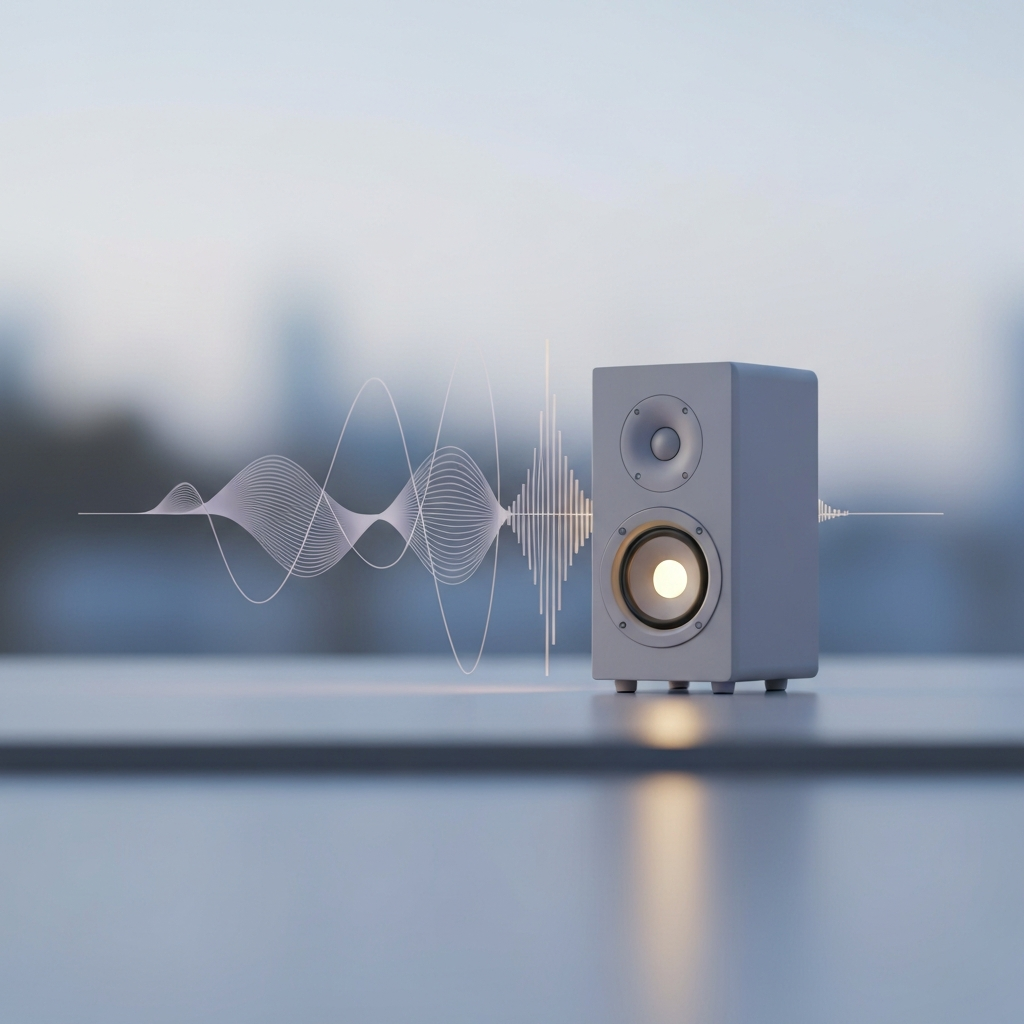
Some animals can hear sounds we can't!
How We Hear
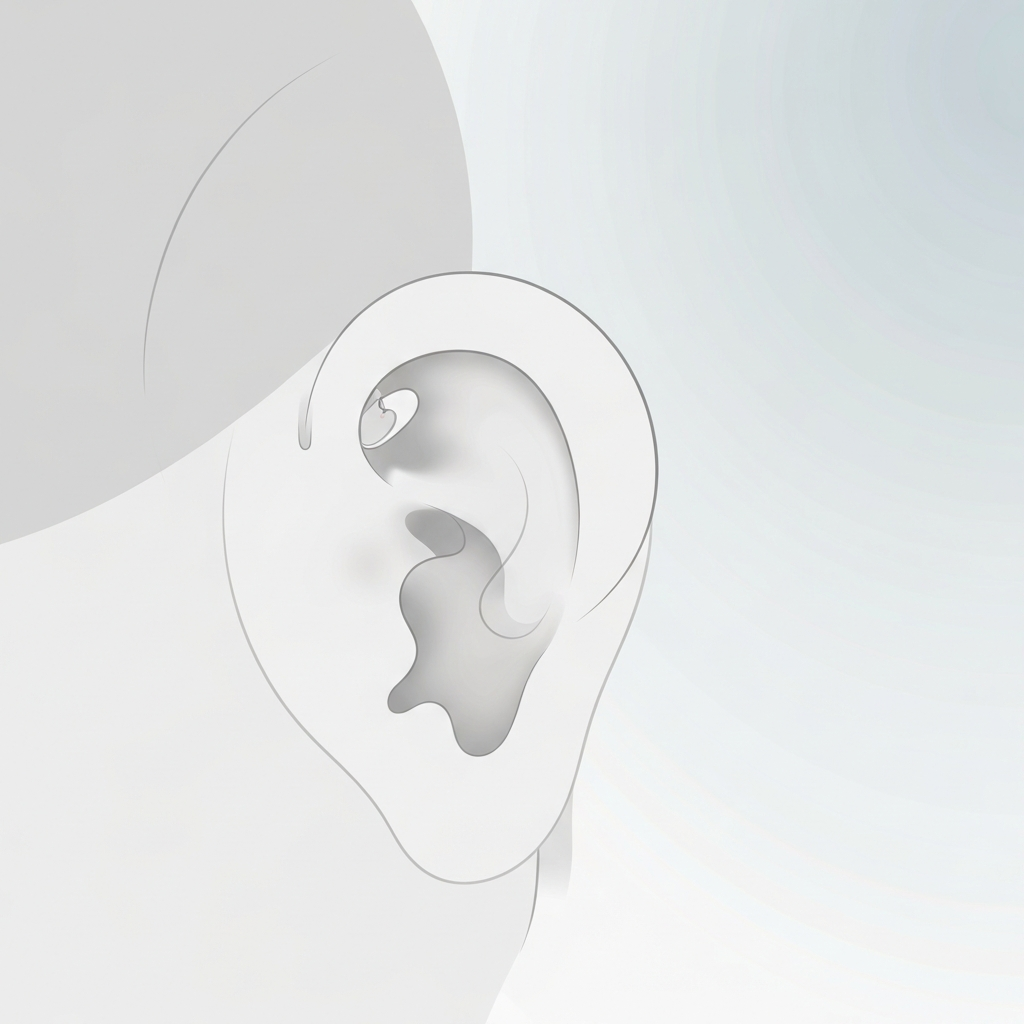
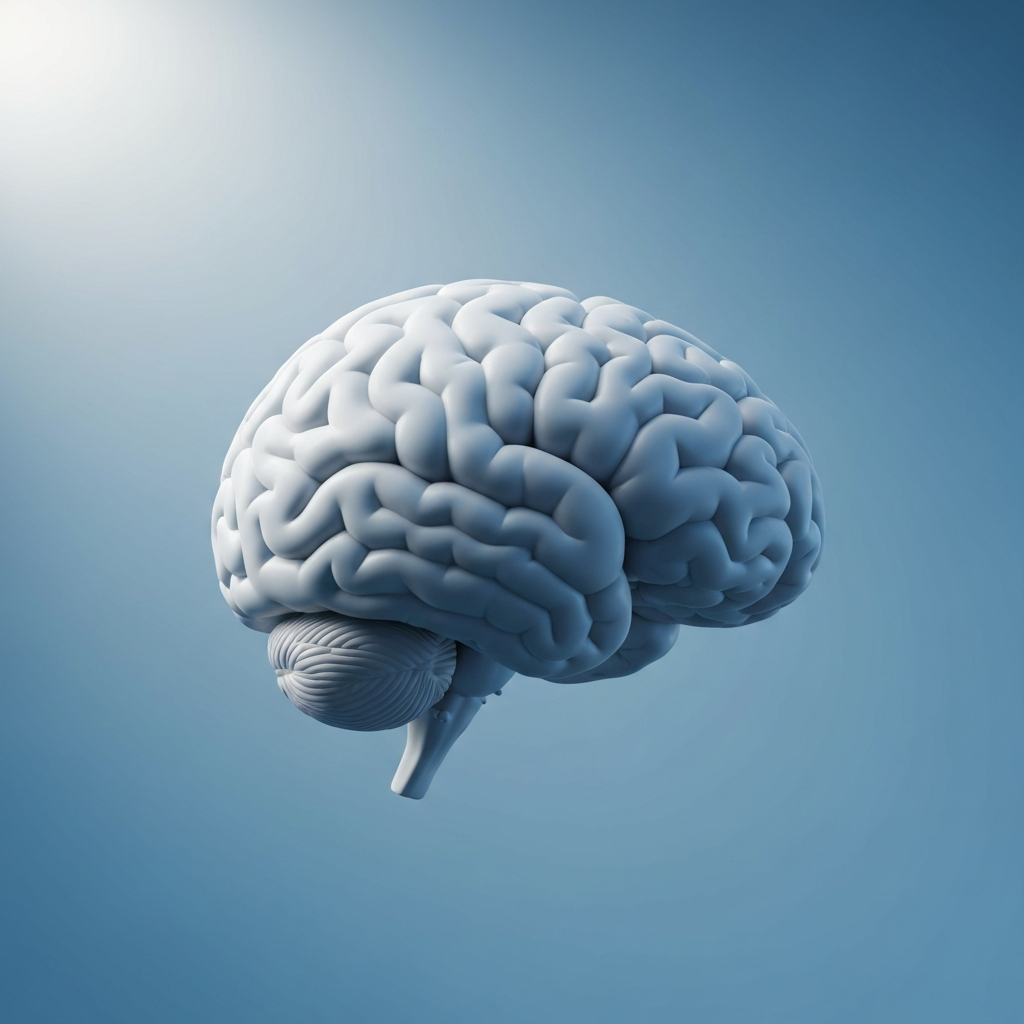
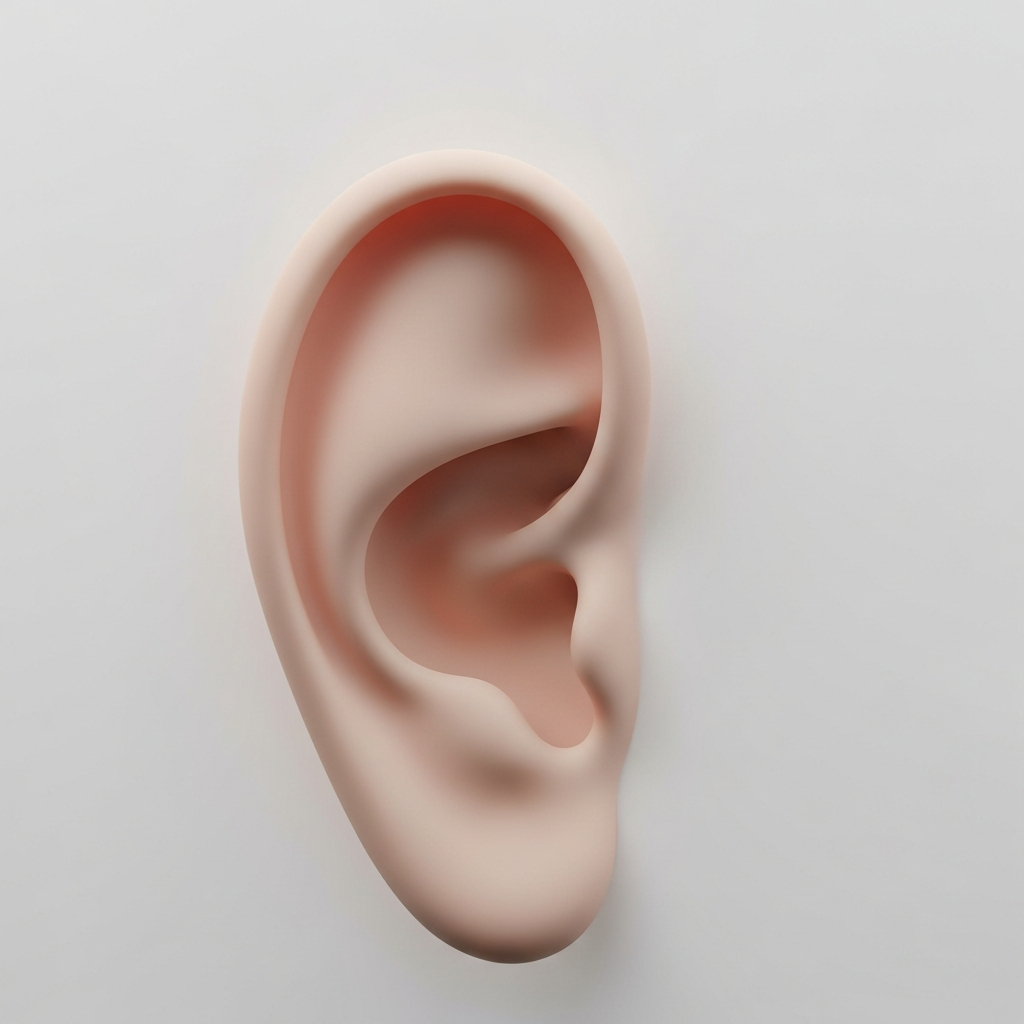
Our ears catch sounds and send them to our brain.
Hearing Aids
Hearing aids help people hear sounds better.
What cognitive hearing science Does
It helps us learn how we hear.
It shows how our brain works with sound.
It helps make better hearing aids.
It helps us understand speech.
It looks at how we listen to music.
It helps kids learn to talk.
More About cognitive hearing science
Cognitive hearing science is new and fun. It helps us know how we hear. It looks at how our ears and brain work together. This helps us learn more about sound.
This science is good for kids and grown-ups. It helps people who have trouble hearing. It makes life better for them.
In the future, we will learn even more. We might find new ways to help people hear. This will make the world a better place!
How Topics Connect
graph TD
A["Cognitive Hearing Science"] --> B["Physiological Basis"]
A --> C["Cognitive Basis"]
A --> D["Signal Processing"]
B --> E["Genetics"]
B --> F["Physiology"]
C --> G["Cognitive Neuroscience"]
C --> H["Cognitive Psychology"]
C --> I["Linguistics"]
C --> J["Social Psychology"]
What Do These Words Mean?
Cognitive hearing science:The study of how we hear and understand sounds, including how our brain processes them.
Physiological:Related to how the body and its systems work.
Signal processing:The way sounds are analyzed and changed to improve hearing.
Audiology:The study of hearing and hearing problems.
Cognitive neuroscience:The study of how our brain affects our thoughts and behaviors.