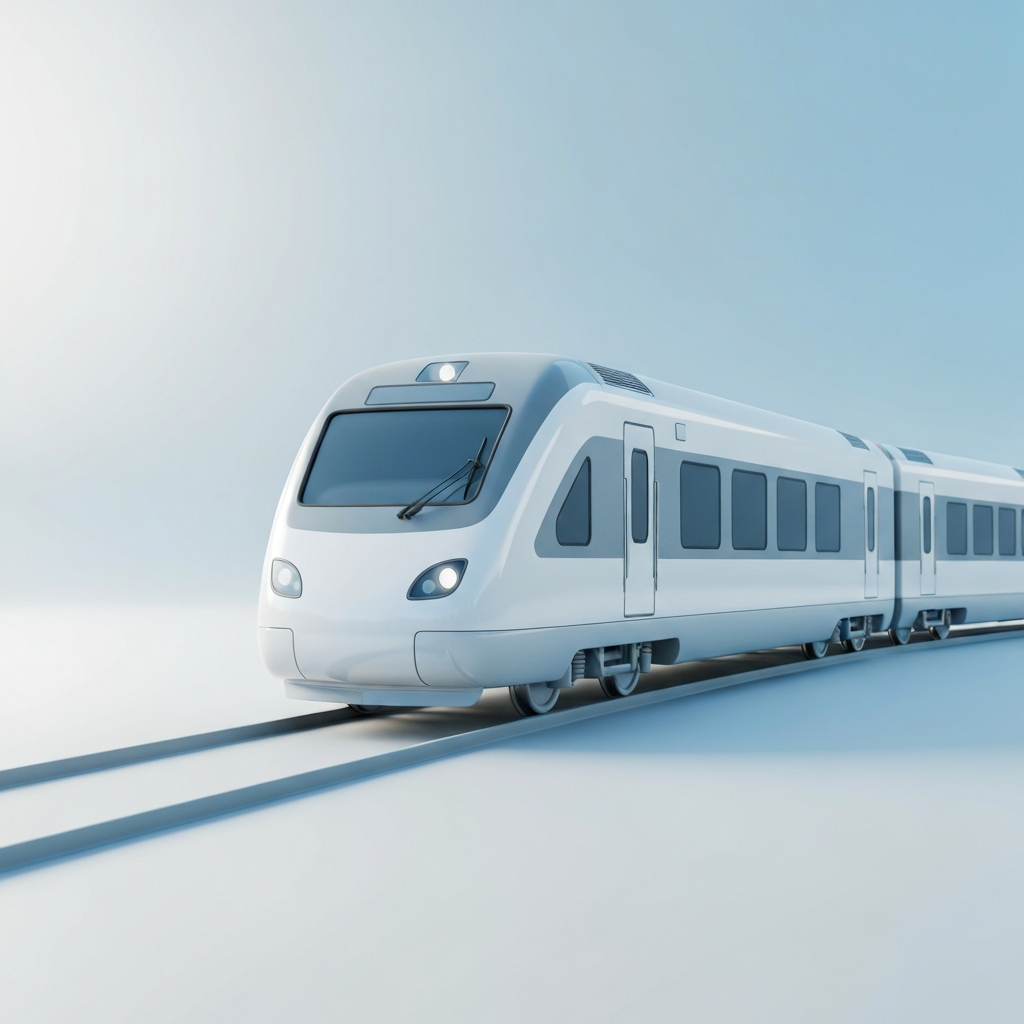
.png)
Did You Know?
Beuth was the first fast train in Germany!
How It Works
Beuth uses steam to move. Steam makes the wheels go round.
Why It Is Special
Beuth was fast for its time. It helped trains go faster.
What Beuth (Locomotive) Does
It pulls cars on tracks.
It makes loud sounds when it runs.
It can go up hills with steam.
It has big wheels to roll fast.
It helps people travel far.
It is part of train history.
More About Beuth (Locomotive)
Beuth was made in 1843. It was the first steam train in Germany. It was fast and won a race. People were proud of it.
Trains like Beuth help us today. They take us to school and on trips. They are fun to ride.
Now, we have fast trains. They go super fast! Beuth was the start of it all.
How Topics Connect
graph TD
A["1843: BEUTH manufactured by Borsig"] --> B["First steam locomotive developed independently in Germany"]
B --> C["Previously built locomotives based on American models"]
C --> D["Won race against Stephenson's model by 10 minutes"]
D --> E["Prototype of fast German locomotive designs for 10 years"]
E --> F["Features: driving axle, two running axles, vertical boiler"]
F --> G["Named after Christian Peter Wilhelm Beuth"]
G --> H["Replica on display in German Museum of Technology, Berlin"]
What Do These Words Mean?
locomotive:A train engine that pulls cars on a railway.
prototype:An early model used to test a design.
axle:A rod that connects two wheels and helps them turn.
boiler:A container that heats water to create steam.
replica:A copy of something, often made to look like the original.