Did You Know?
Some ammonite shells are very big!
What They Look Like
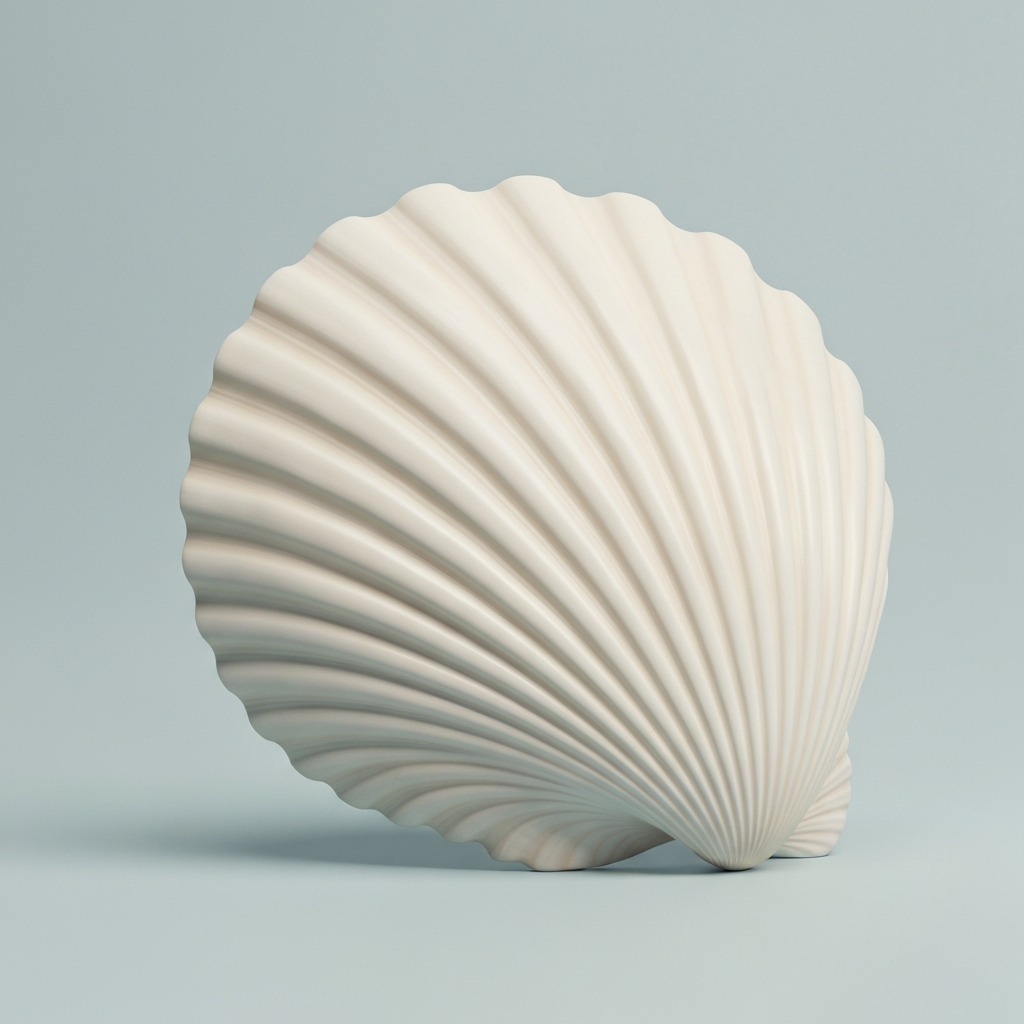
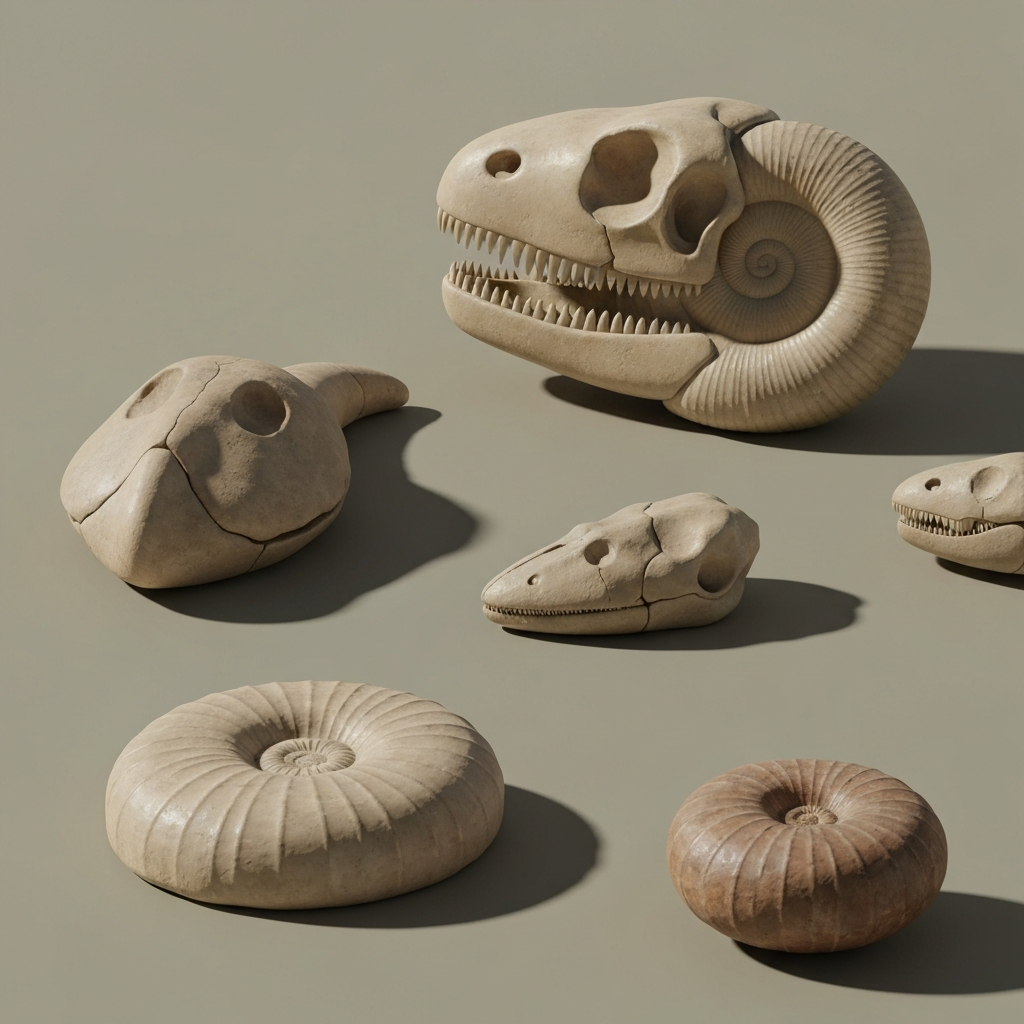
Ammonites had spiral shells like a snail.
Where They Lived
They lived in the ocean a long time ago.
What ammonite Does
Ammonites swam in the sea.
They ate small fish and plants.
They had shells for protection.
They helped make rocks we see now.
Fossils tell us about them.
They lived for millions of years.
More About ammonite
Ammonites lived a long time ago. They swam in warm seas. They had shells that were very cool. These shells are found in rocks today.
Ammonites are important for science. They help us learn about the past. Their fossils show us what the ocean was like.
Some ammonites were big, like a car! They are now gone, but we can still see their shells. They are a fun part of our Earth’s story.
How Topics Connect
graph TD
A["Ammonoids Origin"] --> B["Emsian Stage (410-408 million years ago)"]
B --> C["Early Devonian Period"]
C --> D["Ammonitida Order"]
D --> E["Jurassic Period"]
E --> F["Cretaceous–Paleogene Extinction (66 million years ago)"]
F --> G["Extinction of Ammonoids"]
What Do These Words Mean?
Ammonoids:Extinct sea creatures with coiled shells, related to octopuses and squid.
Cephalopods:A group of sea animals that includes octopuses, squid, and cuttlefish.
Emsian stage:A time period in the Early Devonian era, about 410-408 million years ago.
Cretaceous–Paleogene extinction event:A major event about 66 million years ago when many species, including dinosaurs, went extinct.
Ammonitida:A specific group of ammonoids that lived during the Jurassic period.