Did You Know?
Leap years help keep our seasons right!
Two Calendars
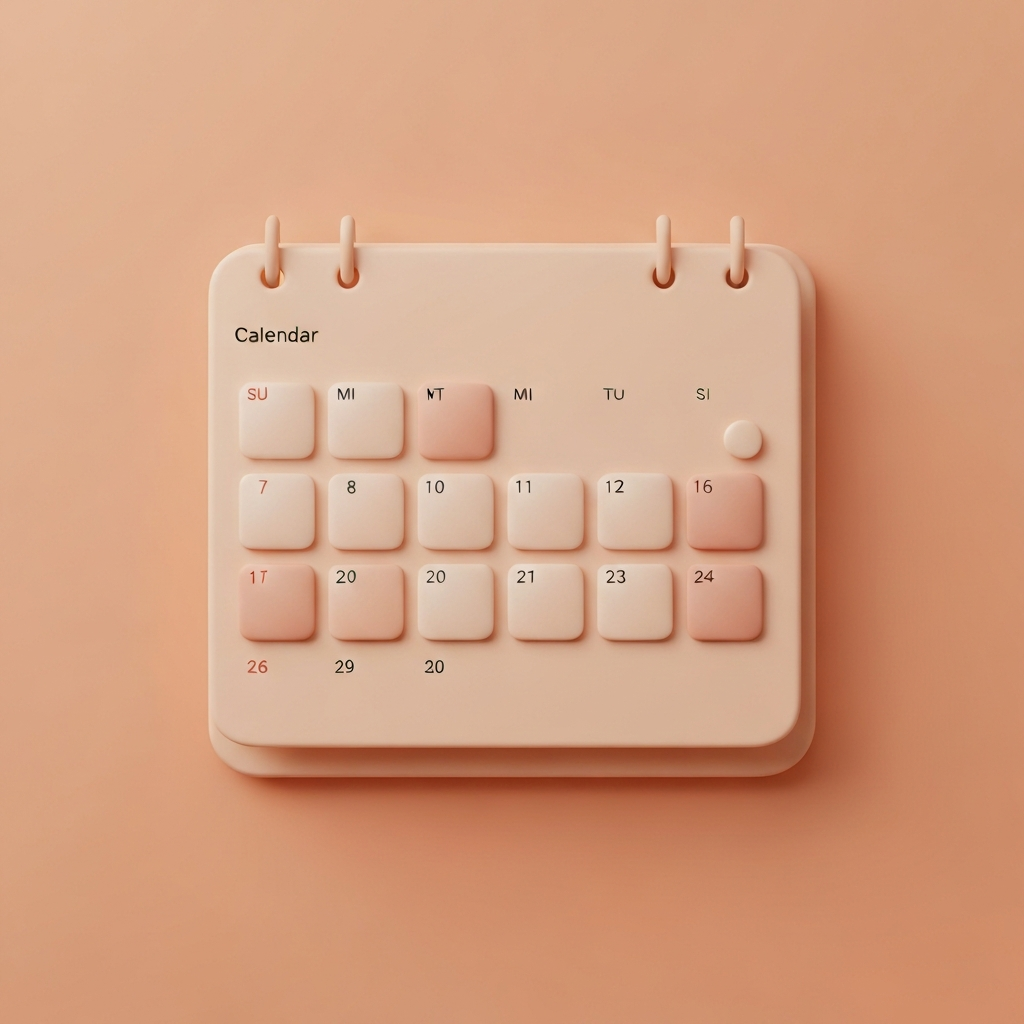
People used the Gregorian and Julian calendars.
What is a Leap Year?
A leap year has one more day in it.
What 1696 Does
It was a leap year.
People had an extra day in February.
It helped keep time right.
People used two types of calendars.
It was the 7th year of the 1690s.
Many events happened that year.
More About 1696
In 1696, people lived in a time with kings and queens. They did not have cars or phones. They used horses and walked to places. The world was very different back then.
Today, we still use leap years. They help us keep track of time. If we did not have them, our seasons would get mixed up. That would be a big mess!
Leap years happen every four years. But, some years are not leap years. It is fun to learn about how time works!
How Topics Connect
graph TD
A["1696 (MDCXCVI)"] --> B["Leap Year (Gregorian)"]
A --> C["Leap Year (Julian)"]
B --> D["10 Days Ahead of Julian"]
C --> E["Localized Use Until 1923"]
D --> F["Common Era (CE)"]
D --> G["Anno Domini (AD)"]
What Do These Words Mean?
leap year:A year with an extra day added to keep the calendar in sync with the seasons.
Gregorian calendar:The calendar system most people use today, which has 12 months and includes leap years.
Julian calendar:An older calendar system that was used before the Gregorian calendar, with a different way of counting leap years.
Common Era (CE):A way to count years starting from the year Jesus was born, similar to Anno Domini (AD).
millennium:A period of 1,000 years.